B2 · Estimated CEFRScience & TechnologyNews & surveys
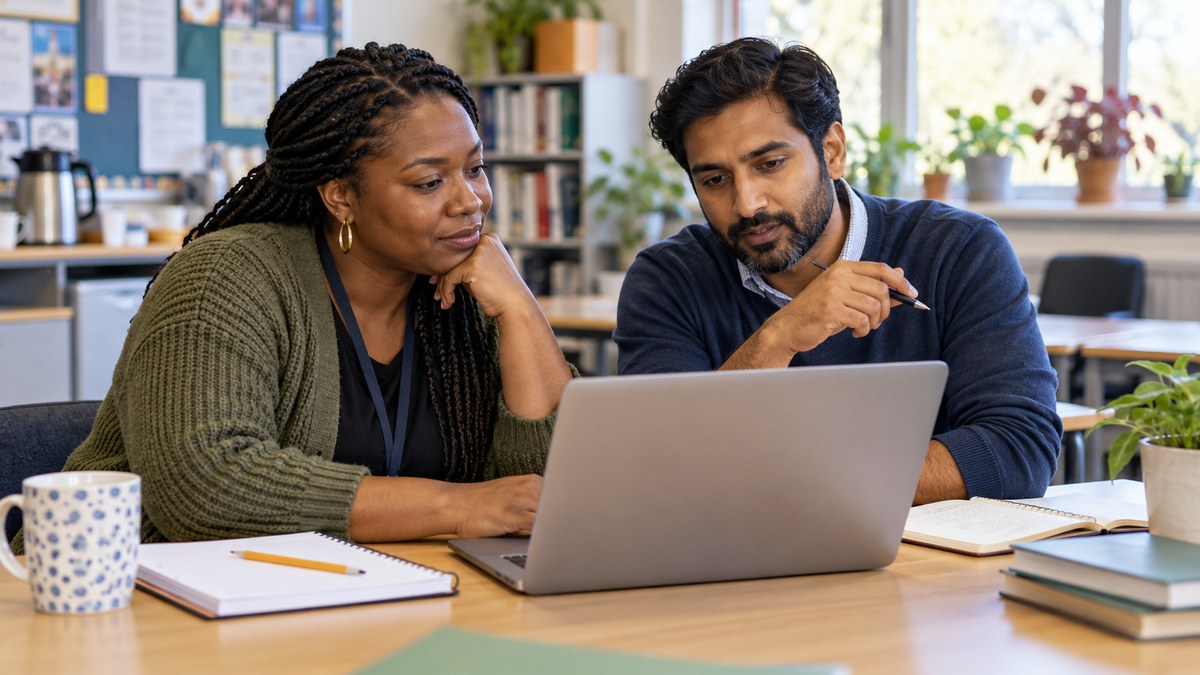
UNESCO on AI in Education: What Teachers Need
A newly published UNESCO account puts teacher support and evidence of learning at the centre of the AI discussion.
Read and practise →All 39 readings in this category, newest first. Discover science, space, inventions and technology through news and history.
Try another search, level or collection, or clear the filters.
Recent reporting, discoveries and surveys. Source dates are shown on each card.
Discover science, space, inventions and technology through news and history.
A newly published UNESCO account puts teacher support and evidence of learning at the centre of the AI discussion.
Read and practise →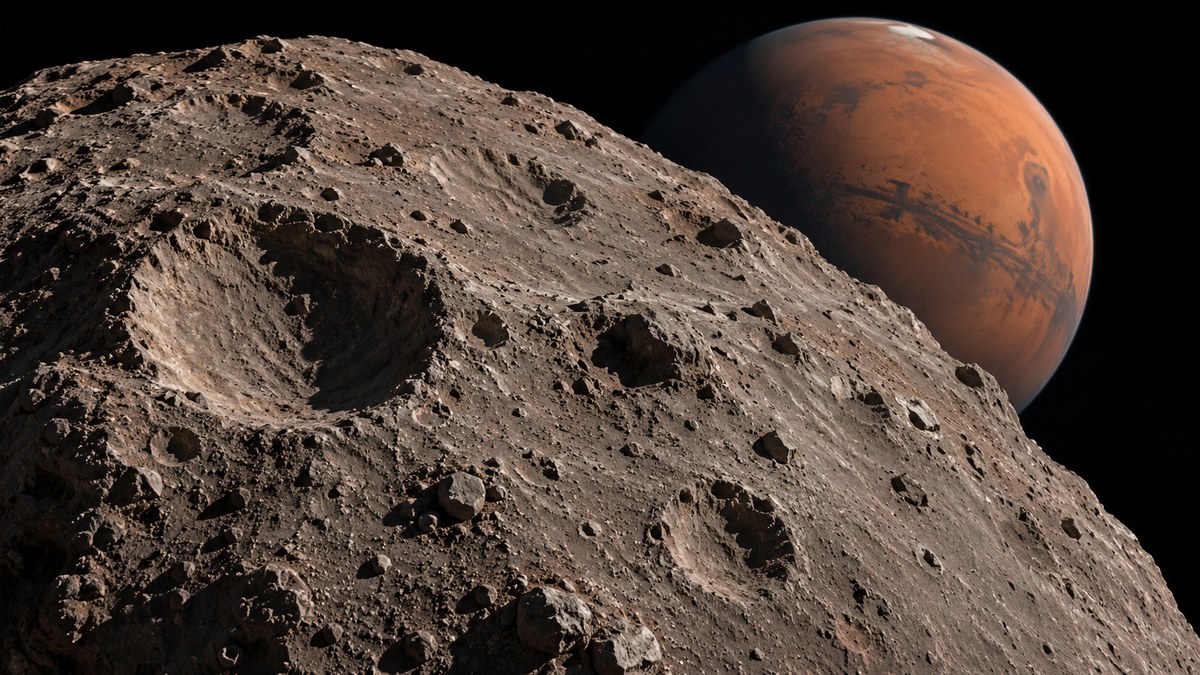
A small sample from Phobos could help answer a big question: where did the two moons of Mars come from?
Read and practise →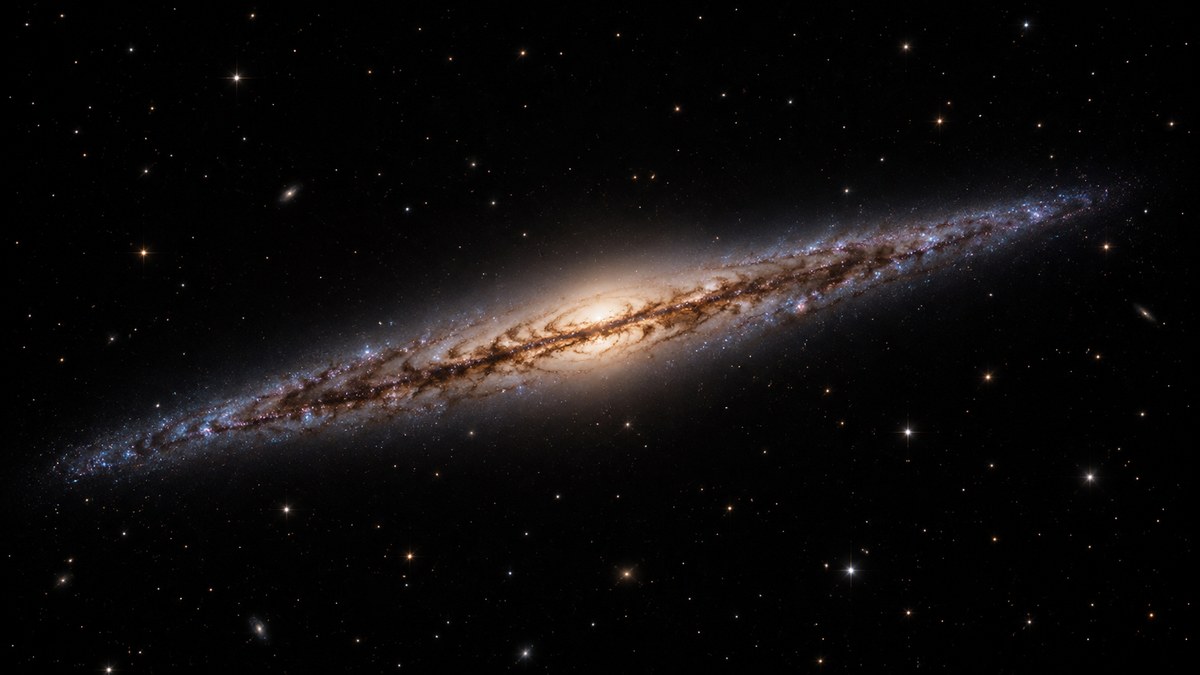
A thin streak of light is a galaxy seen from the side. Hubble reveals details that a face-on view would hide.
Read and practise →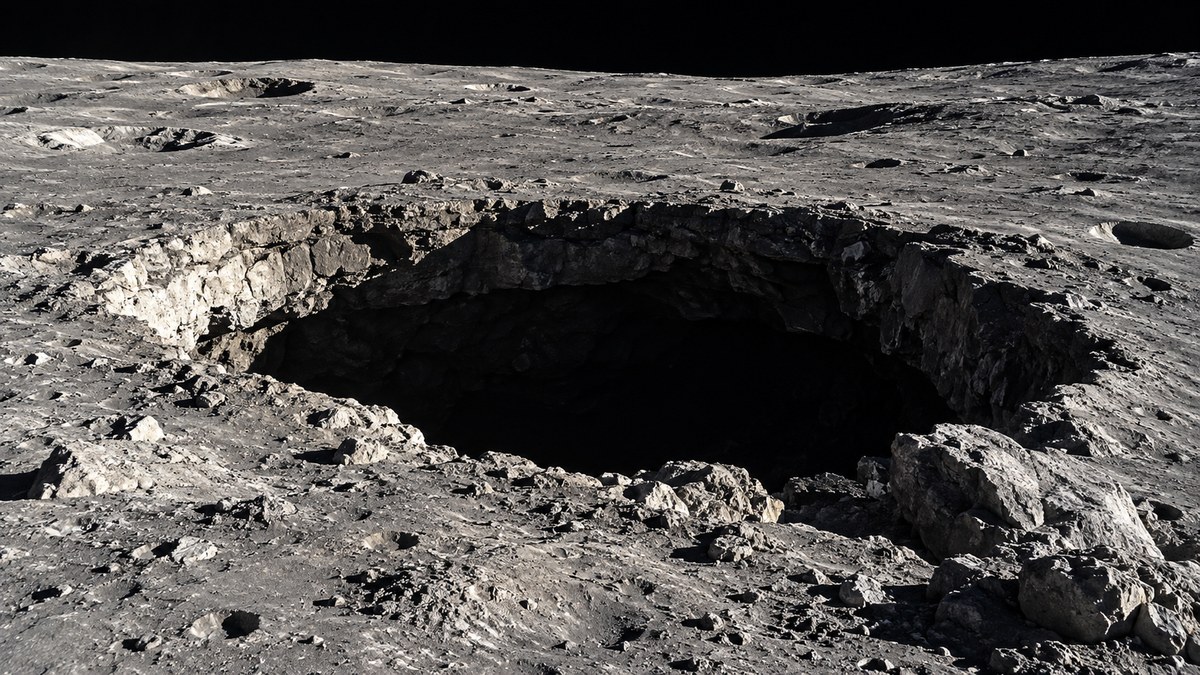
NASA has selected an investigation of the Marius Hills Pit. The question is what lies beyond the opening.
Read and practise →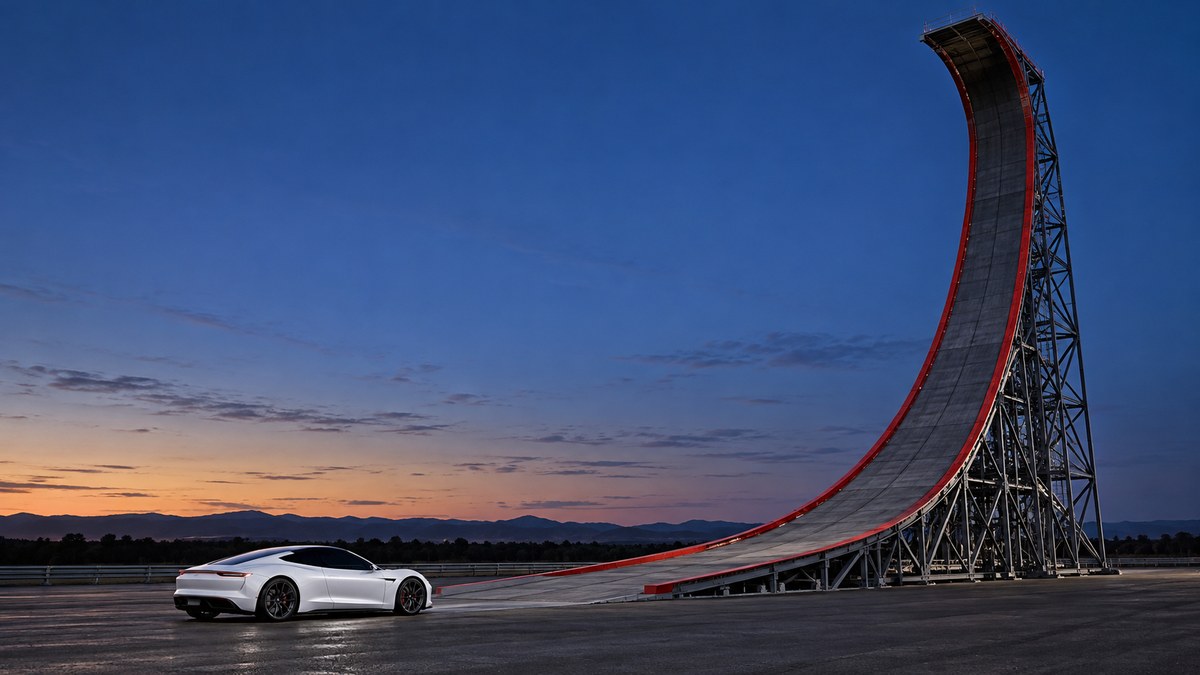
Elon Musk unveiled a Roadster that can leap and turn in the air. What does that mean for the future of driving?
Read and practise →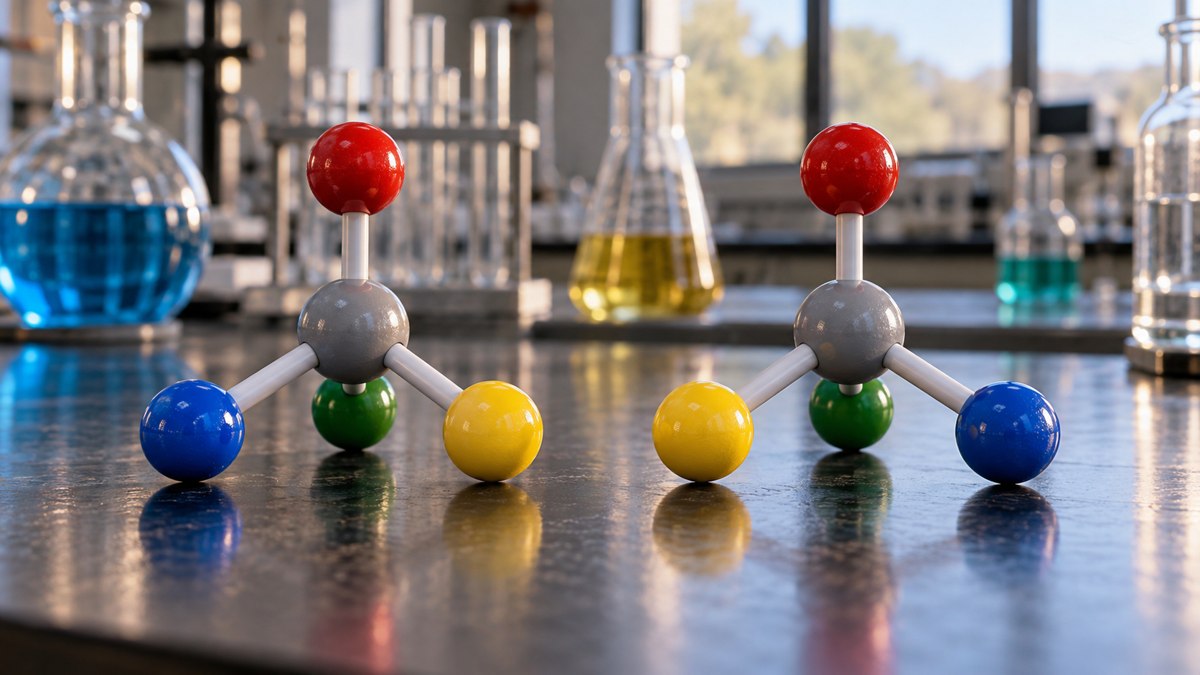
Henri B. Kagan and Kenso Soai receive recognition for discoveries about reactions that favour one molecular form.
Read and practise →
A global weekend challenge invites designers, storytellers and science enthusiasts to work with open space data.
Read and practise →
A student challenge focuses on keeping future lunar explorers connected, with an early notice deadline approaching.
Read and practise →
A new study says online services should do more to protect people while keeping information and free speech available.
Read and practise →
A new NASA report describes experiments designed to compare life in space with life on Earth.
Read and practise →
A radio signal detected in 2024 gains new context when Webb identifies the distant galaxy it came from.
Read and practise →
The 2026 campaign highlights the standards that help clean-energy systems connect safely and reliably.
Read and practise →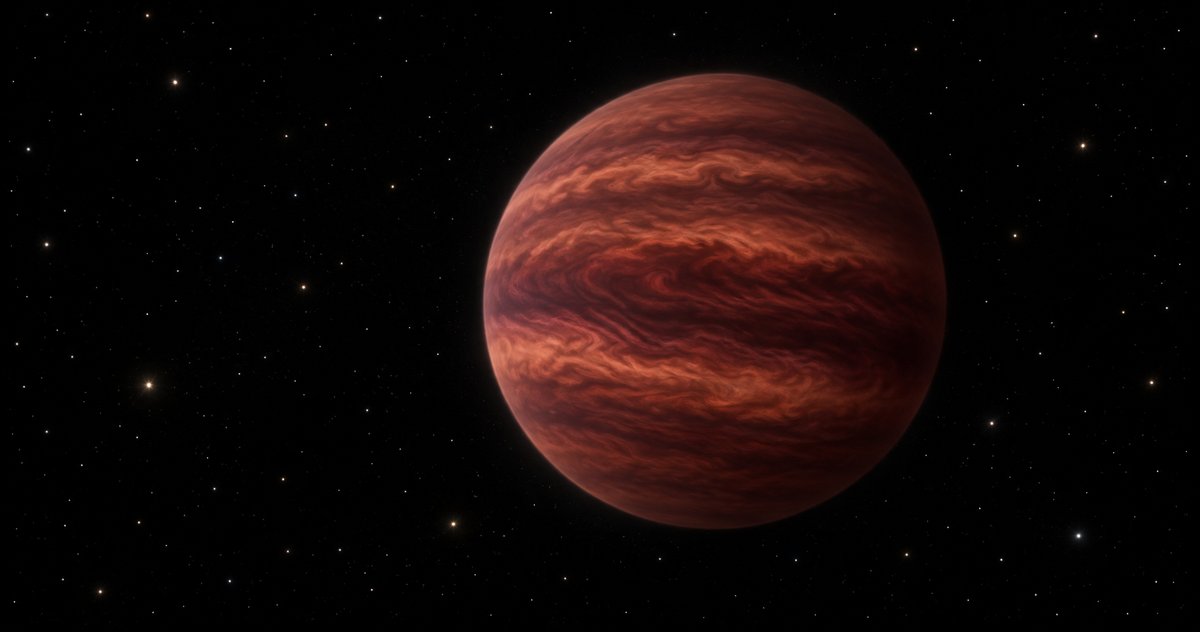
NASA's SPHEREx telescope is helping scientists study dim objects called brown dwarfs. Their light carries clues about the gases around them.
Read and practise →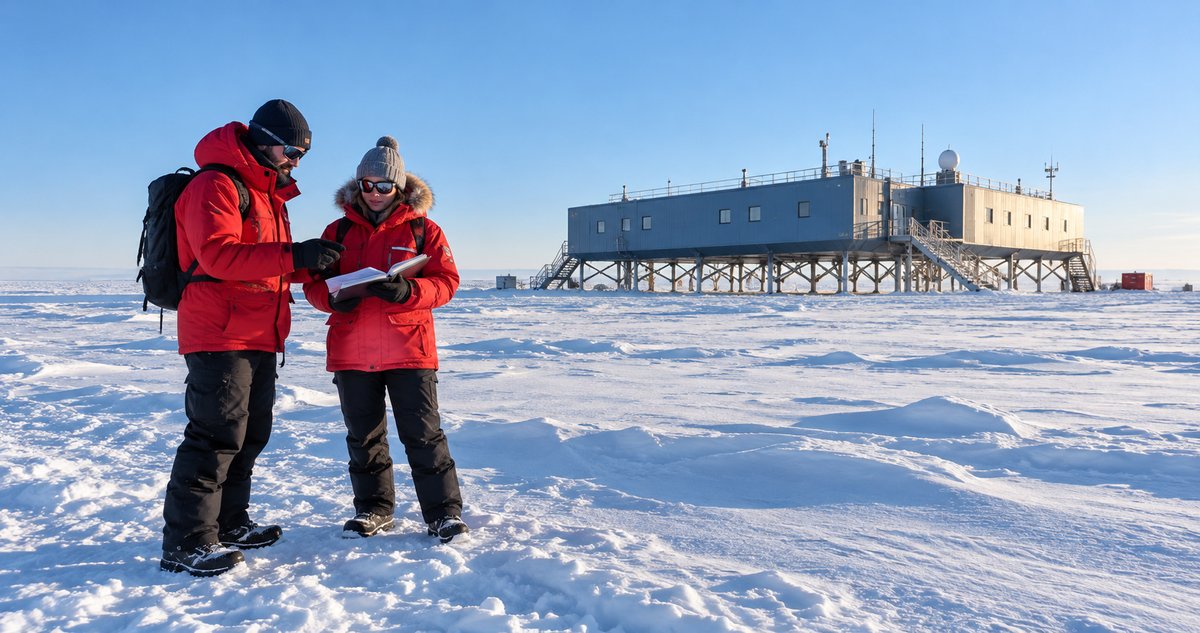
Francis Halzen has won the 2026 Physics Nobel for work on IceCube and high-energy neutrinos from space. How can buried sensors reveal distant events?
Read and practise →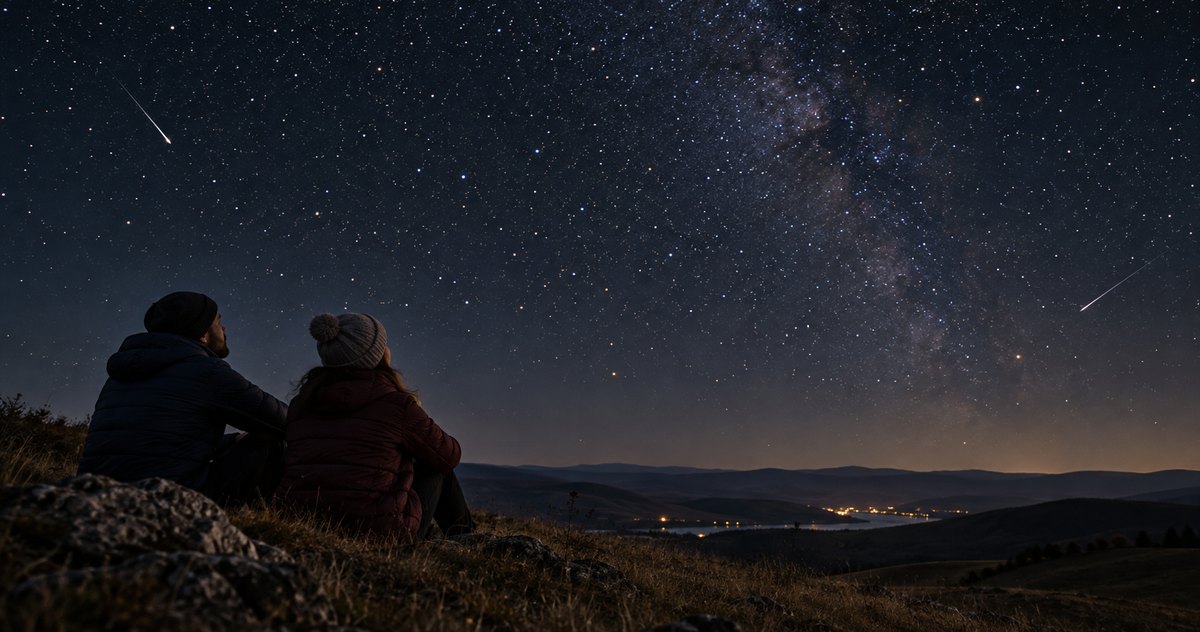
The Draconid meteor shower is active from 6-10 October 2026. A dark sky can help you see it, but a bright show is not certain.
Read and practise →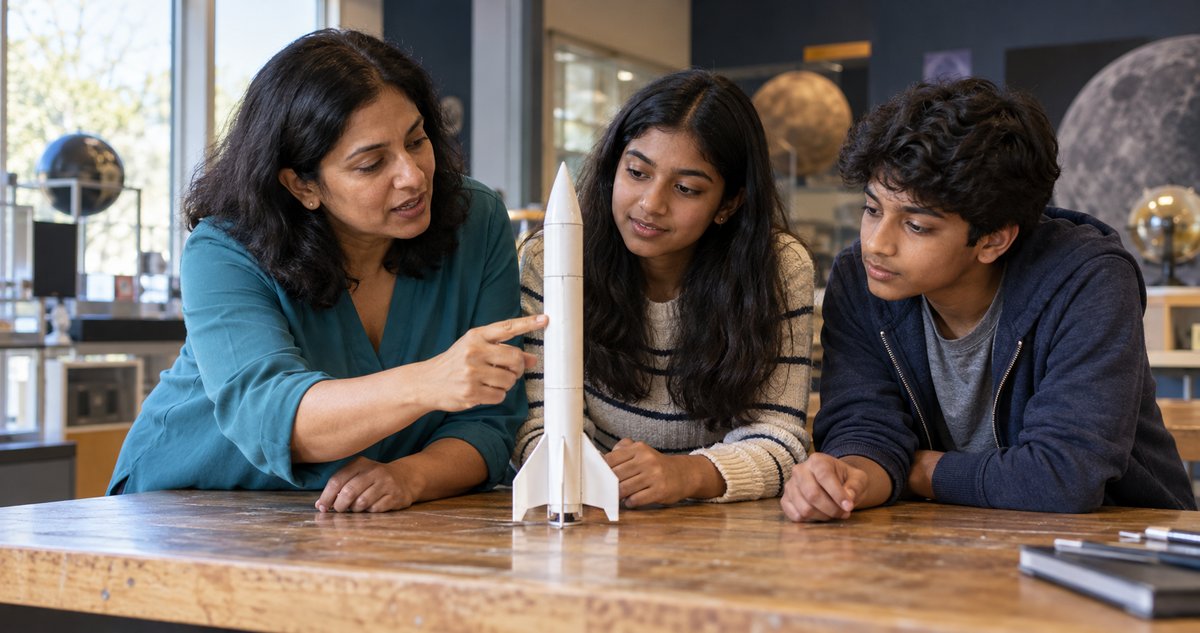
World Space Week 2026 takes place from 4-10 October. Its theme is Rocket Revolution: a look at how access to space is changing.
Read and practise →
An updated energy report raises a difficult question: can more efficient AI still increase demand for electricity?
Read and practise →
Webb studies warm dust around stars to investigate how rocky worlds may collide.
Read and practise →
A rover finds clues that water changed some Martian rocks more than once.
Read and practise →
An underwater robot films a young colossal squid alive in its natural deep-sea environment.
Read and practise →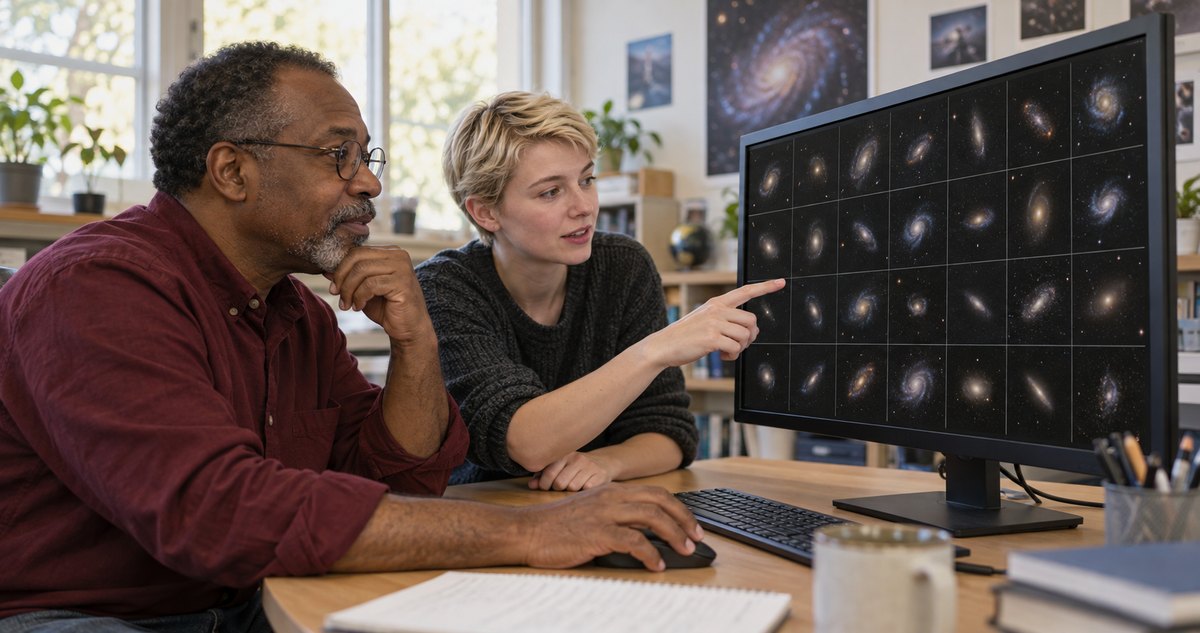
A space telescope gives scientists, volunteers and AI a huge collection of galaxy images to study.
Read and practise →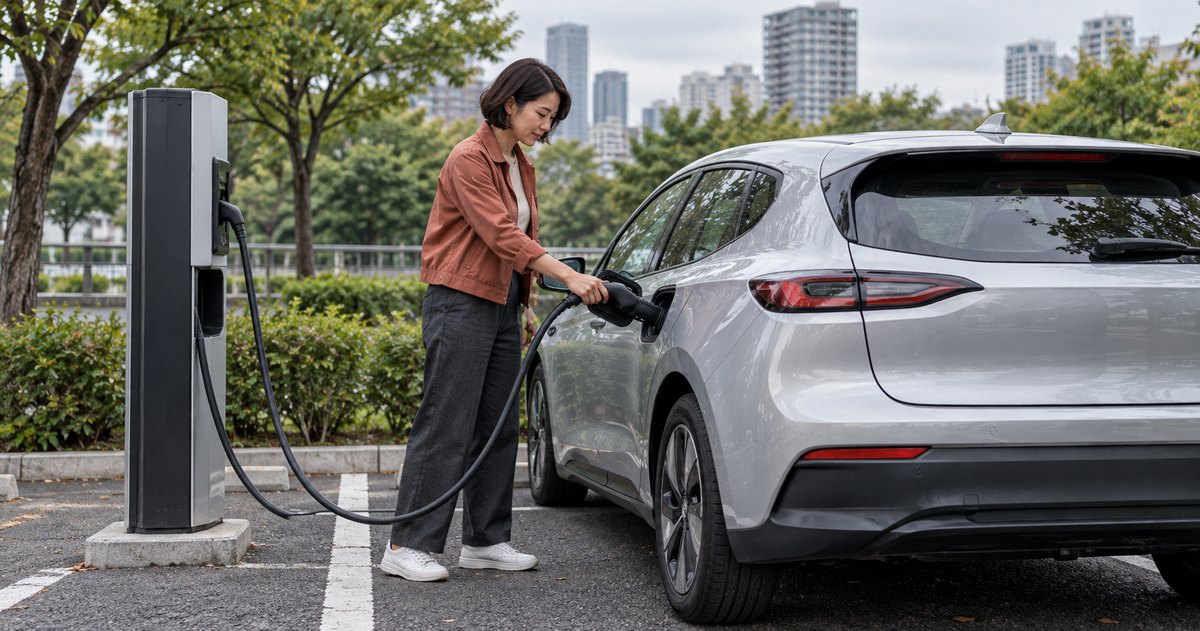
A global report explains how electric-car sales changed and what may happen next.
Read and practise →Explore events from the past. Historical event dates and new lesson dates are shown separately.
Discover science, space, inventions and technology through news and history.
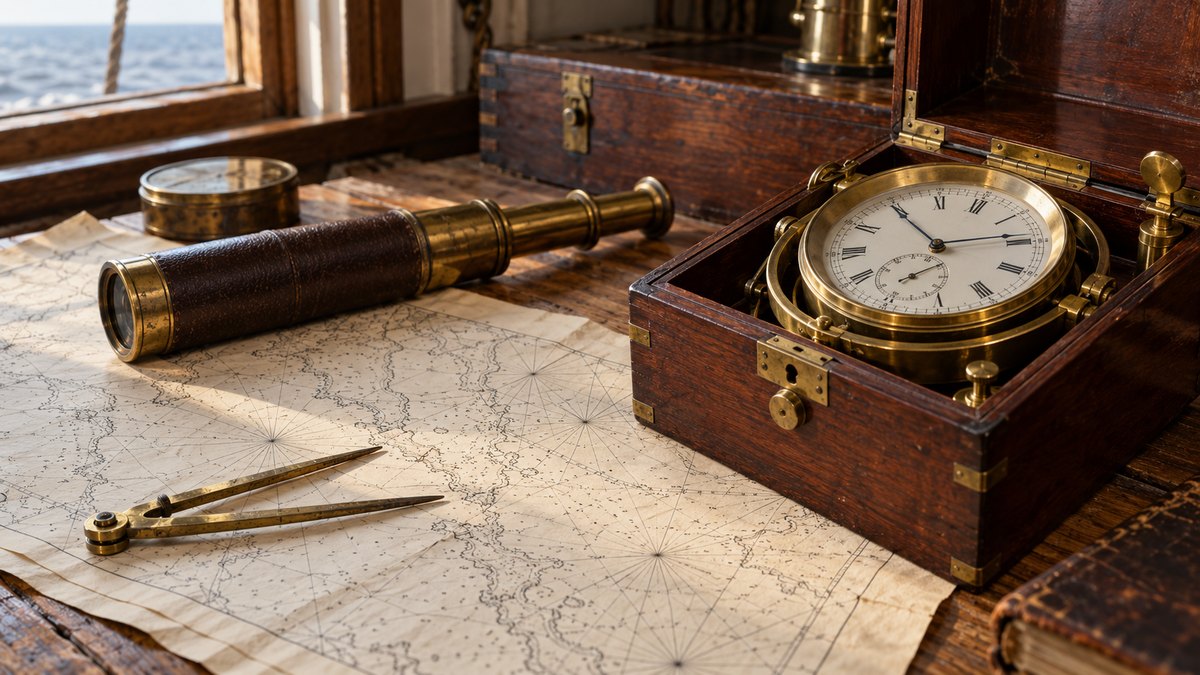
An international agreement about longitude shows why a useful standard still needs political cooperation.
Read and practise →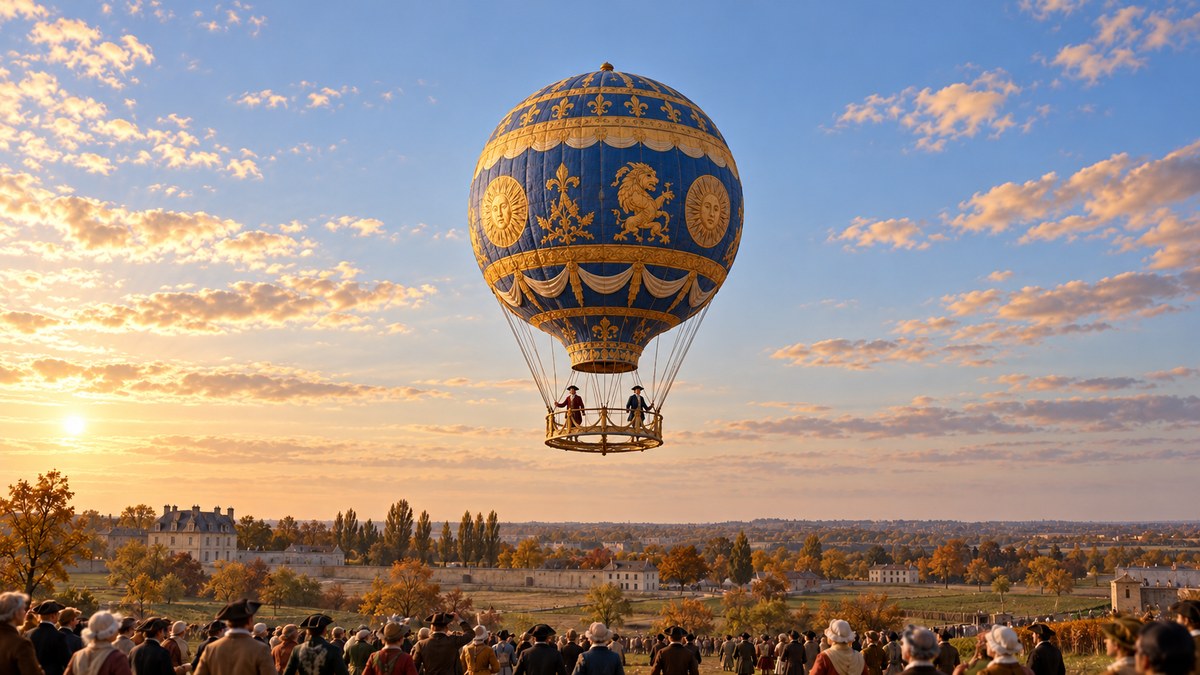
Two men rose above Paris in a balloon built by the Montgolfier brothers. Their journey made human flight a public reality, but staying airborne required constant work.
Read and practise →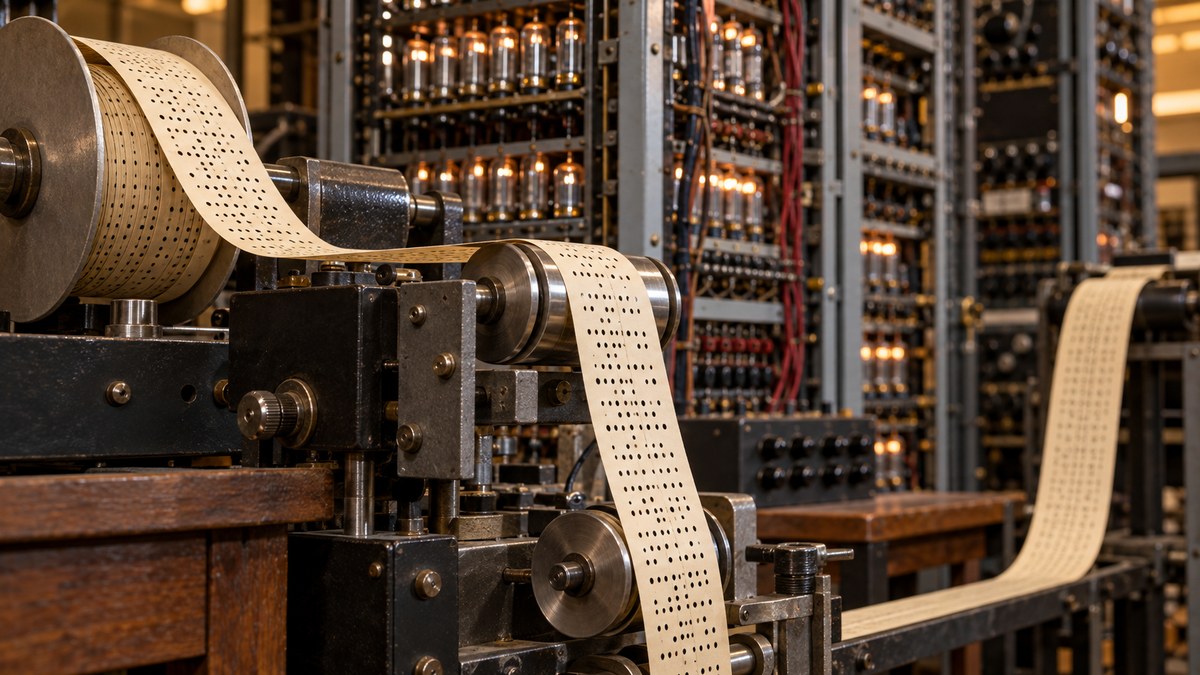
Paper tape, electronic valves and human judgement worked together at Bletchley Park. This pioneering computer had a very specific job.
Read and practise →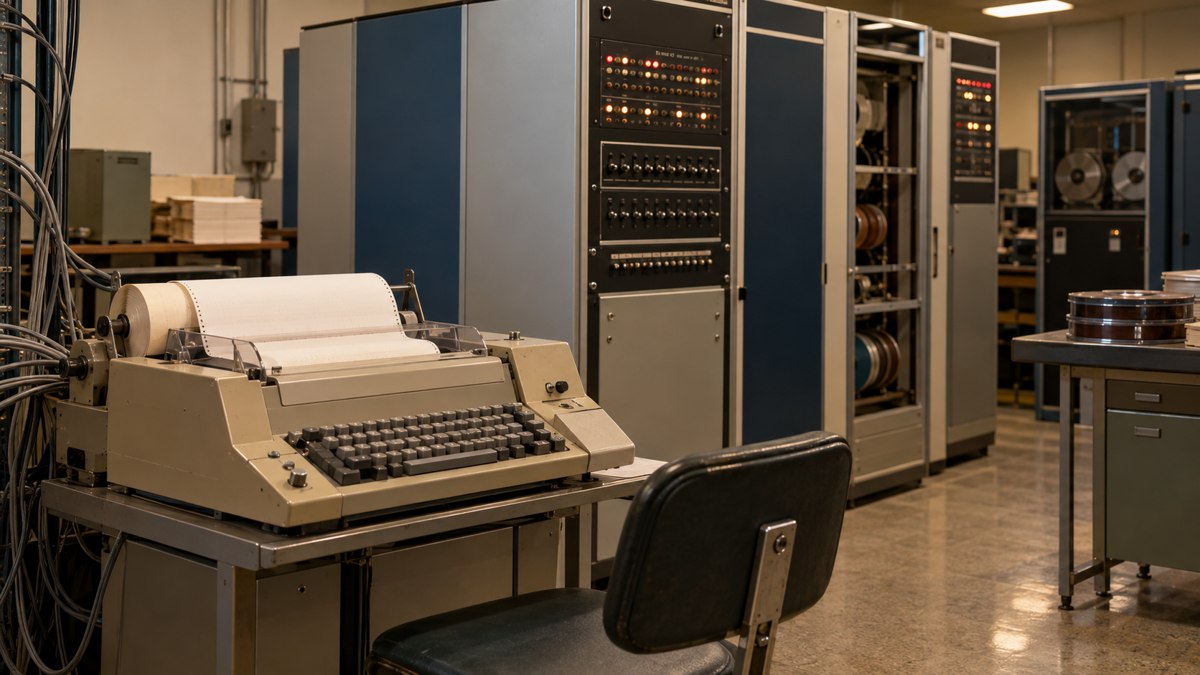
Ray Tomlinson connected a user with a computer address using a familiar keyboard symbol.
Read and practise →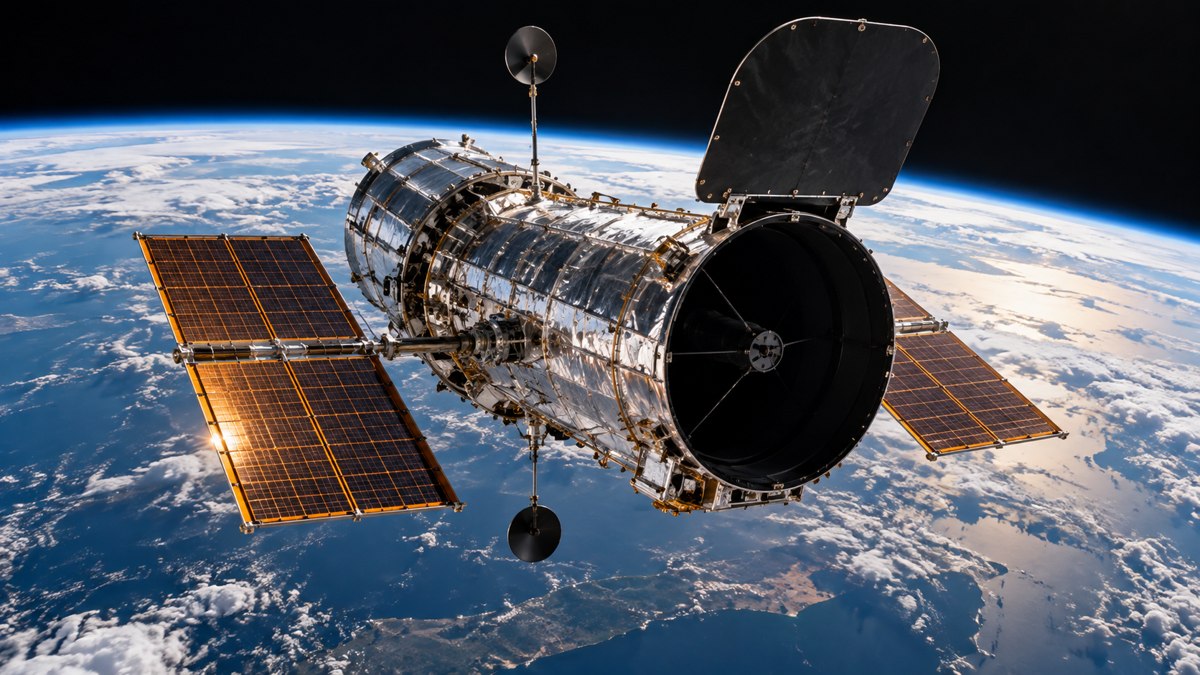
A space telescope's difficult start became a story about finding and fixing a problem.
Read and practise →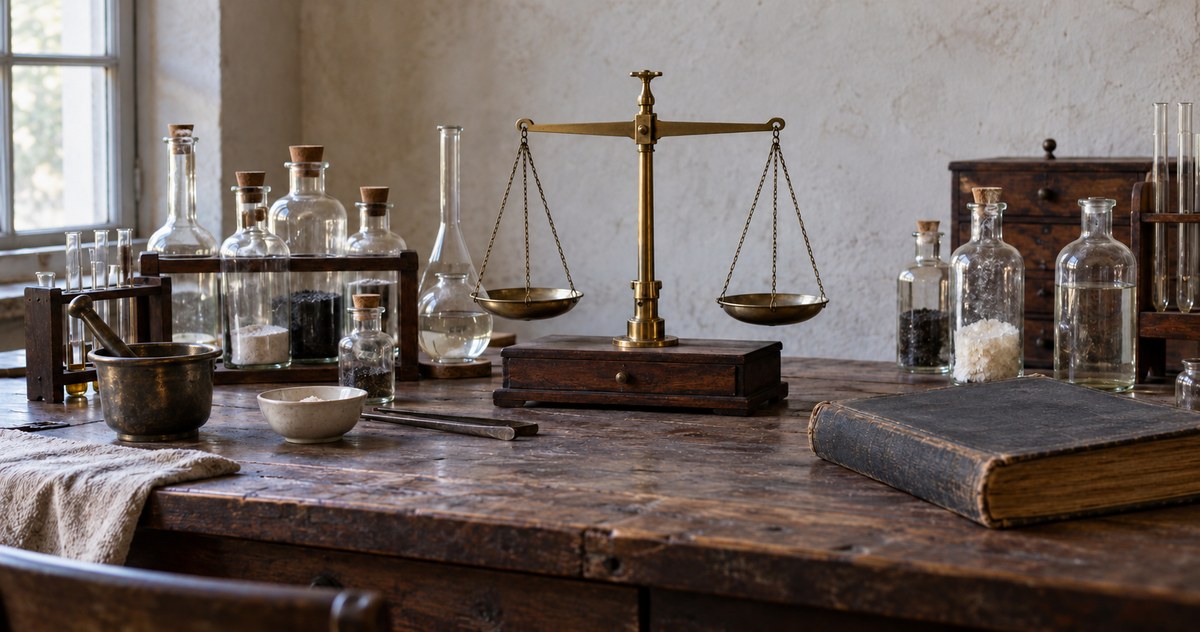
Gaps in an early periodic table turned an arrangement of known elements into a tool for predictions.
Read and practise →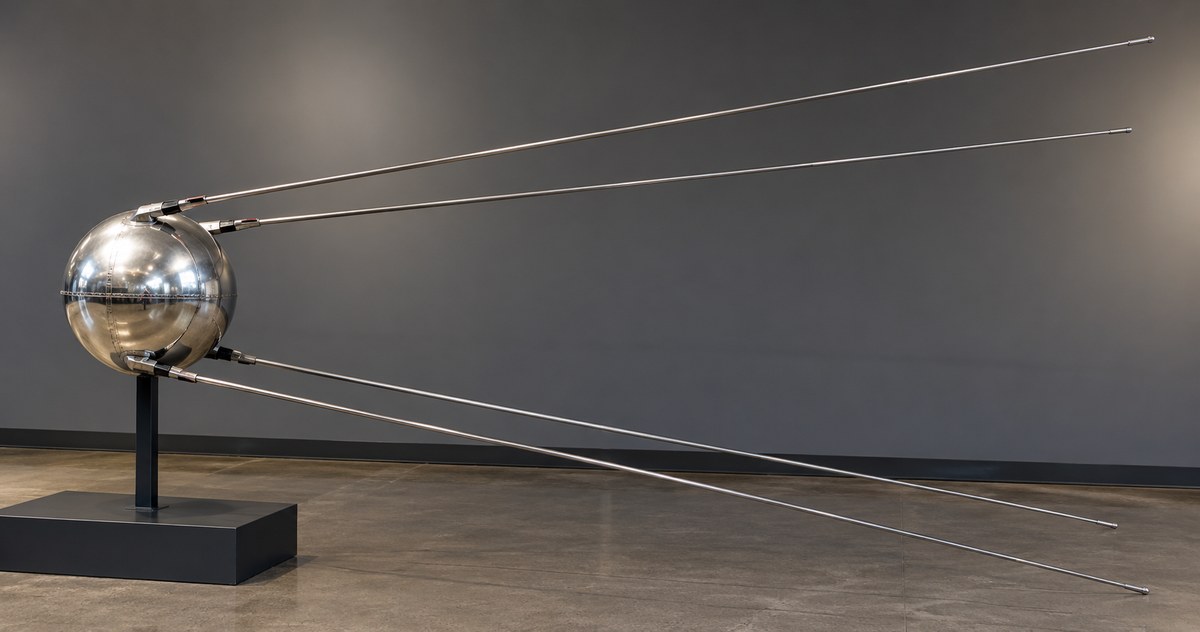
A metal ball with four long antennas became a symbol of a new age. Its simple radio signal showed that a human-made object could circle Earth.
Read and practise →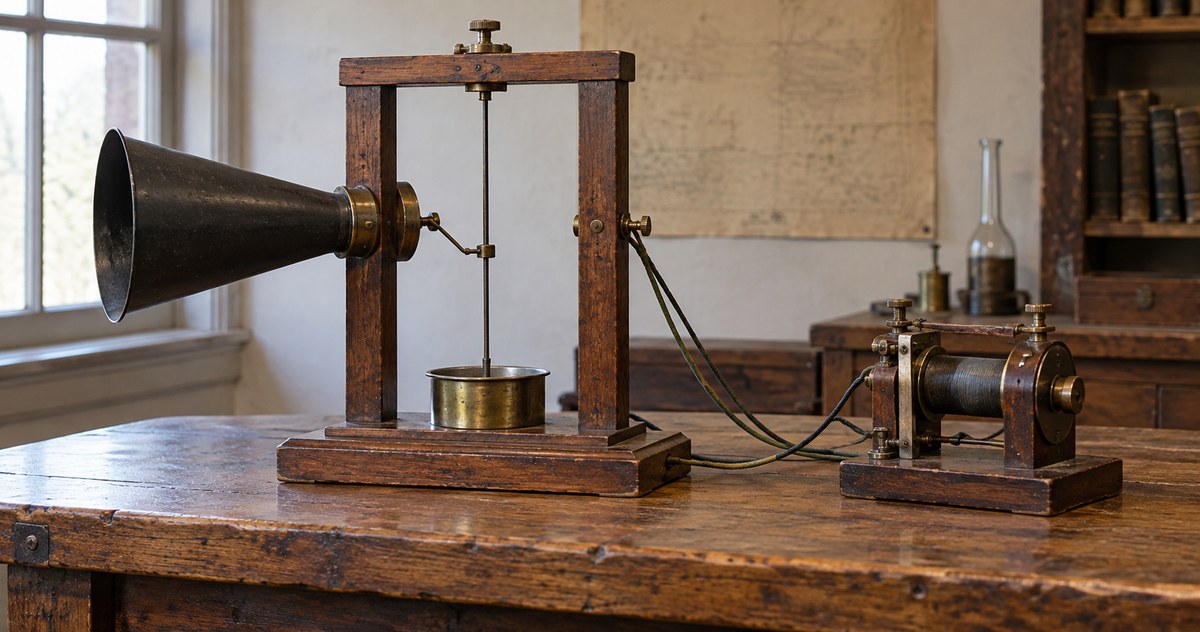
A short message between Bell and Watson became an important step in the history of the telephone.
Read and practise →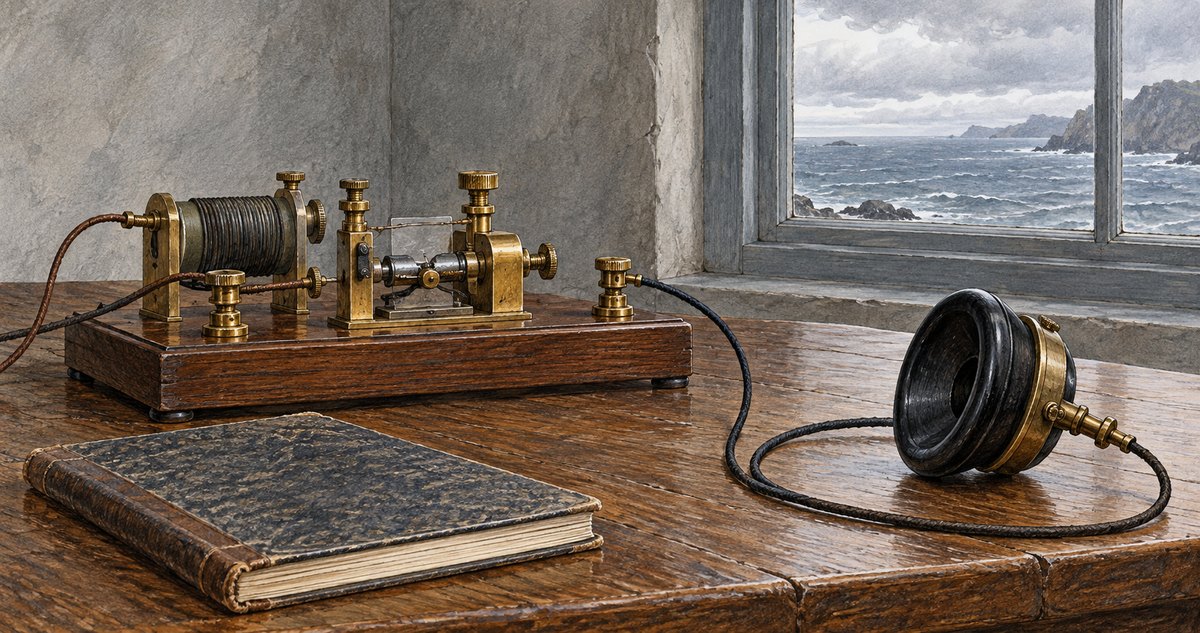
Three faint dots became a famous moment in wireless history. Marconi's experiment also shows why a promising result needs stronger evidence and further work.
Read and practise →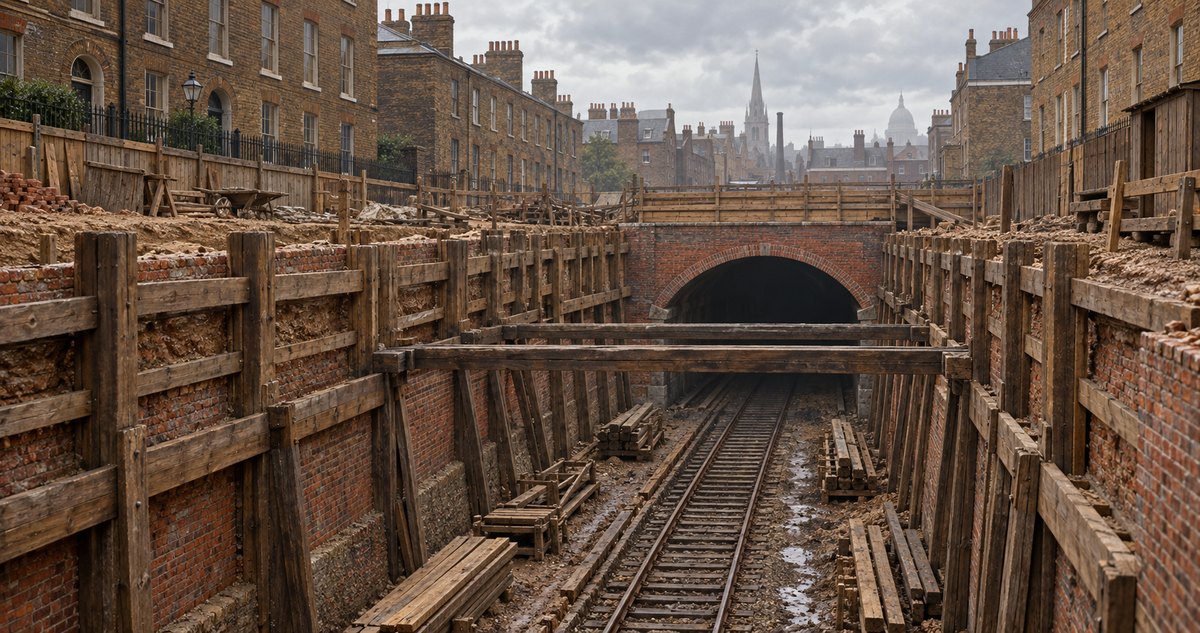
London's first underground railway opened in 1863. Its construction reveals a lasting urban dilemma: improving movement can first make a city harder to move through.
Read and practise →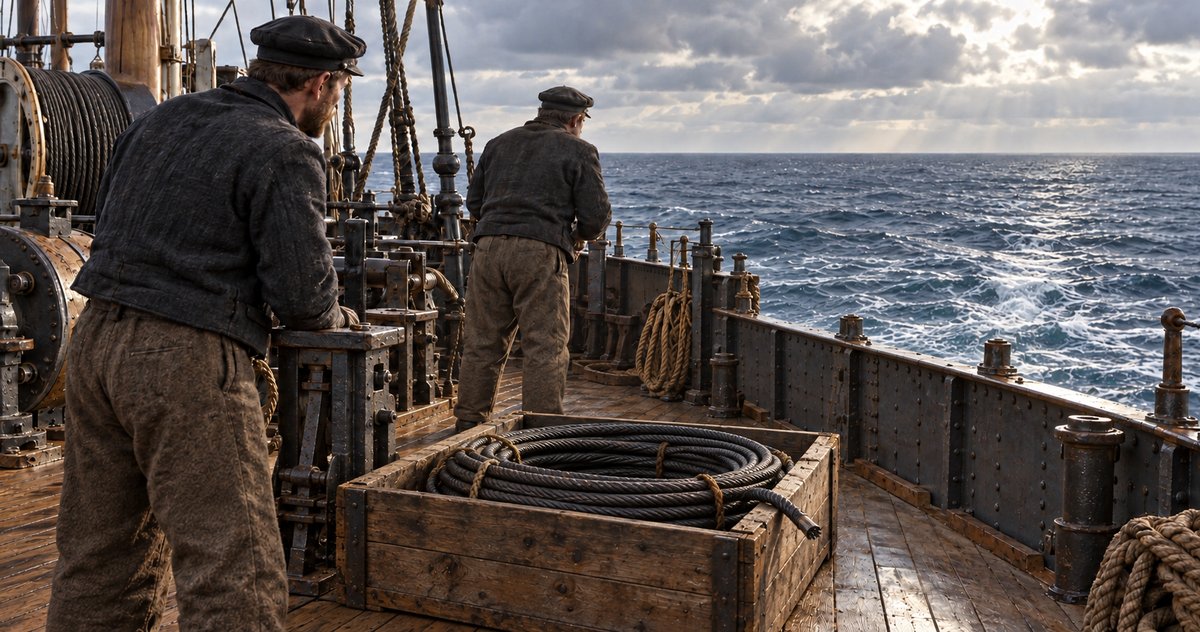
An underwater telegraph cable made Atlantic messages much faster. The lasting success of 1866 followed years of setbacks and an earlier short-lived connection.
Read and practise →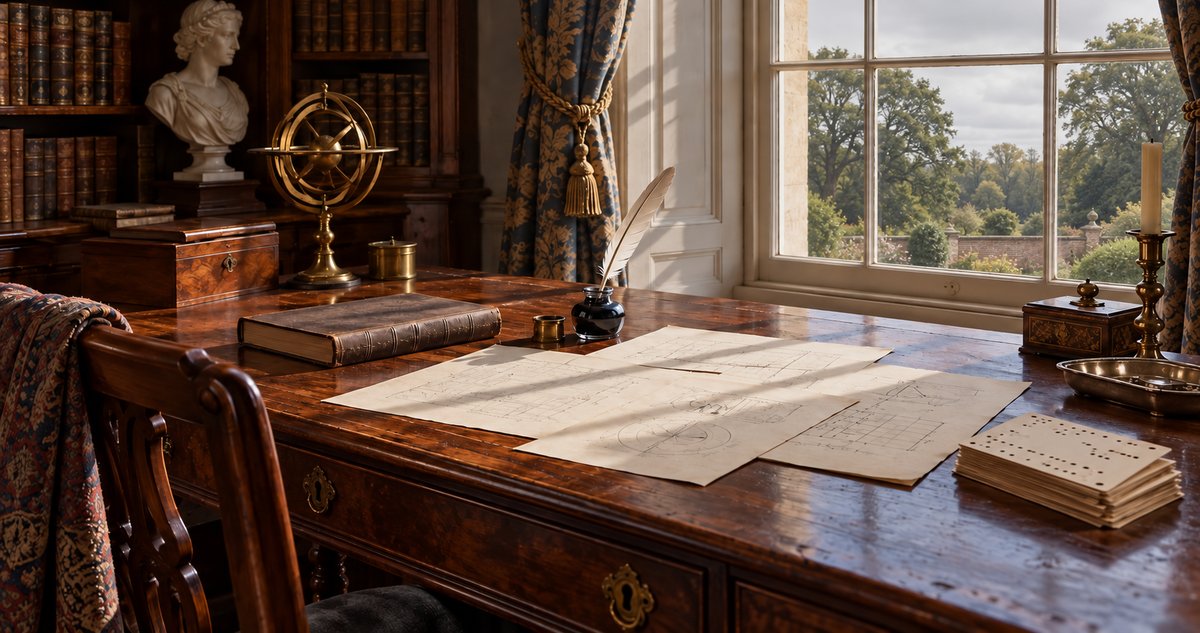
Ada Lovelace wrote about a proposed machine that could follow instructions. Her notes imagined possibilities beyond solving sums.
Read and practise →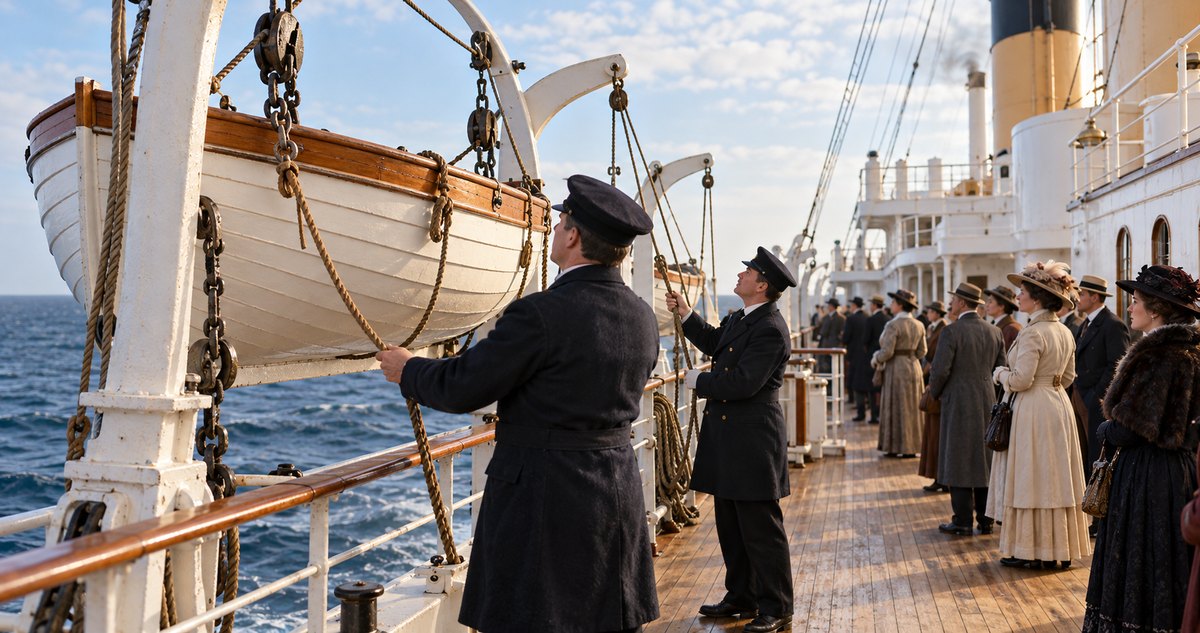
Titanic sank on 15 April 1912 after striking an iceberg the night before. The disaster helped drive international safety rules, but its legacy involves training, equipment and continuing oversight as well as a treaty.
Read and practise →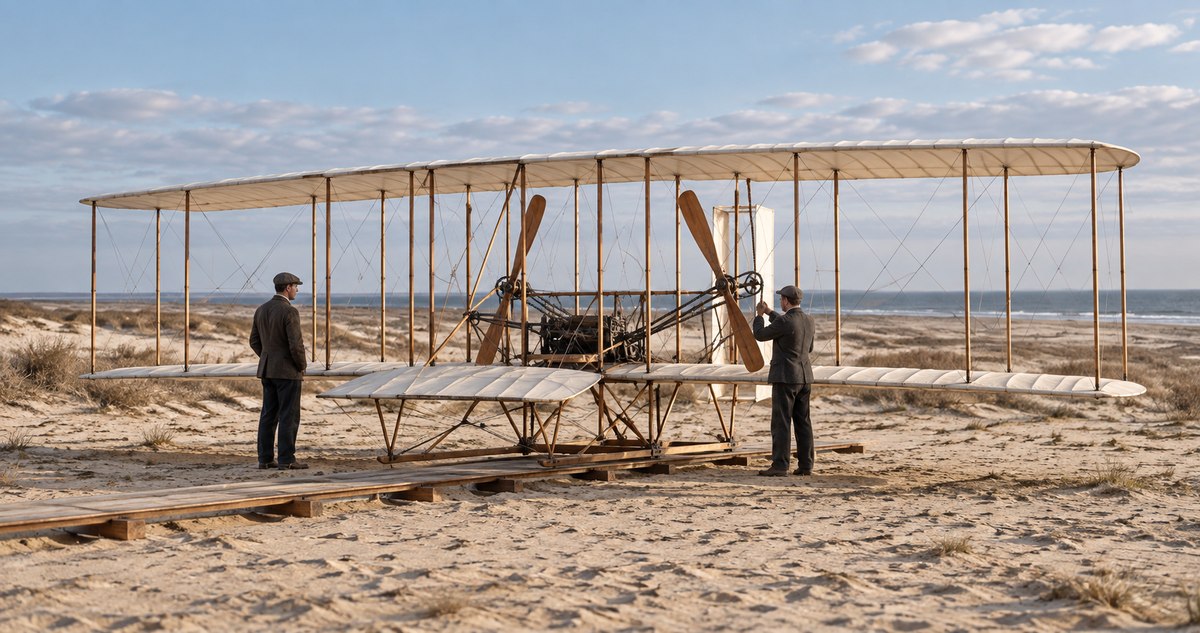
Two brothers tested a flying machine after years of learning how to control it.
Read and practise →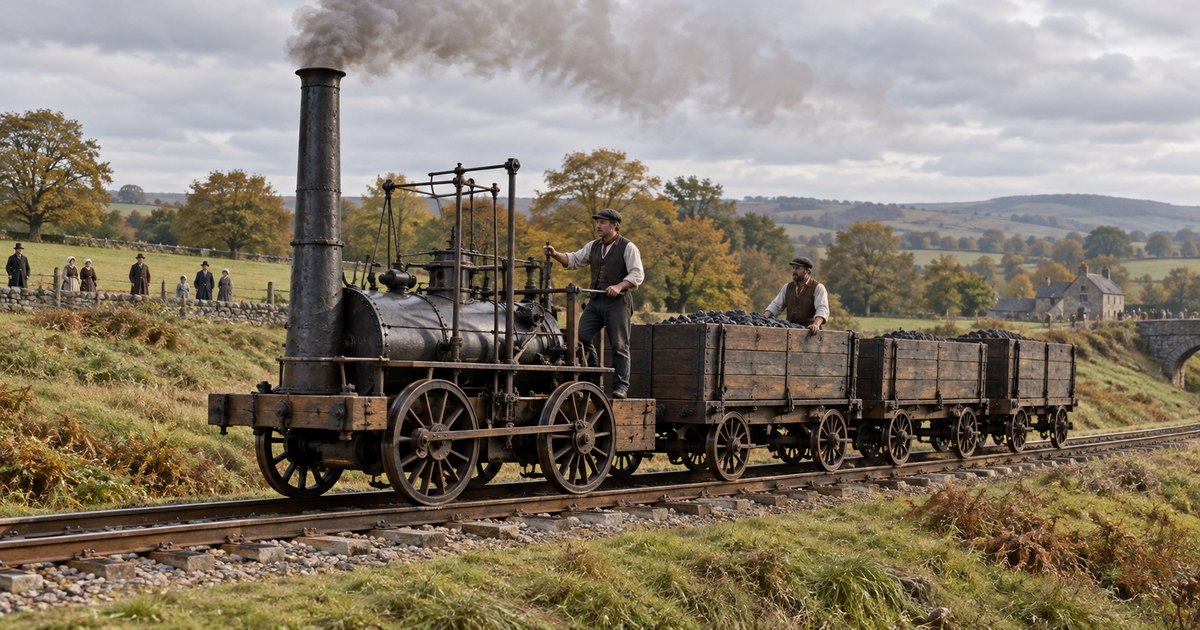
An early public railway carried goods and passengers behind a steam locomotive.
Read and practise →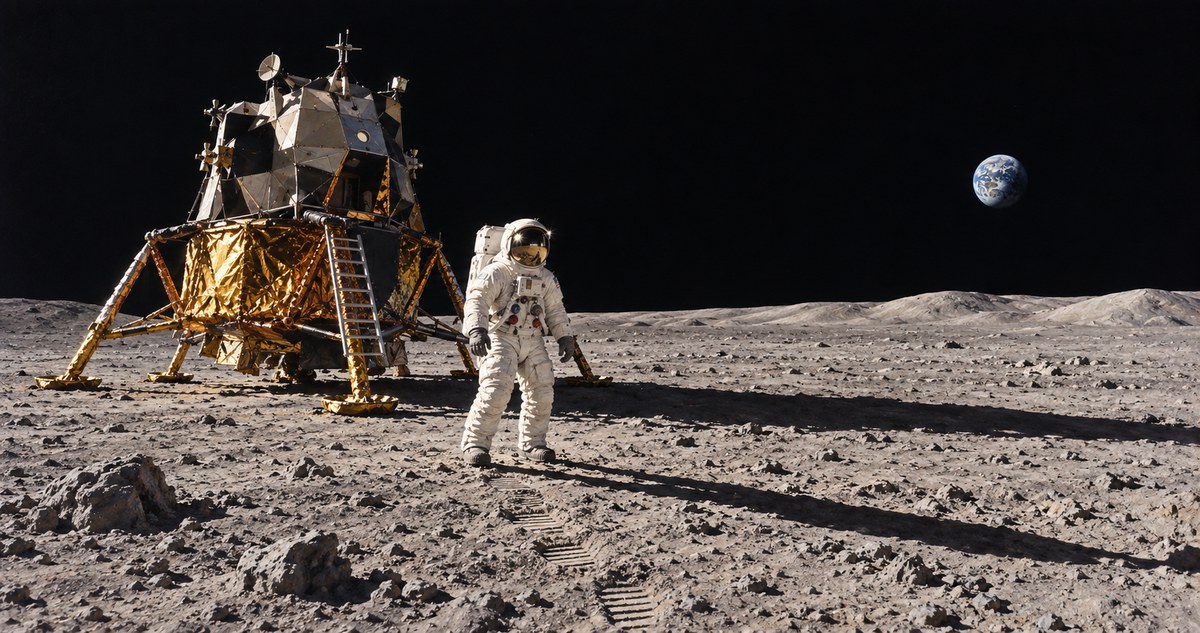
Three astronauts made a journey that people still remember. Two of them walked on the Moon.
Read and practise →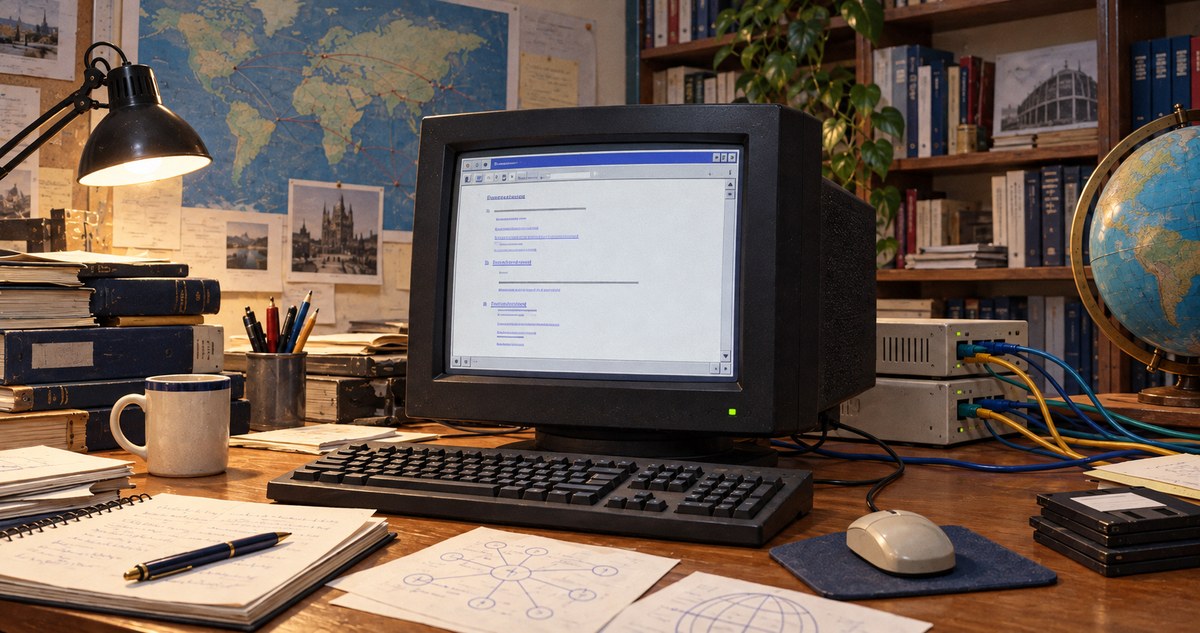
A tool for sharing scientific information became something people around the world could build on.
Read and practise →