World Standards Day 2026: Making Clean Energy Work Together
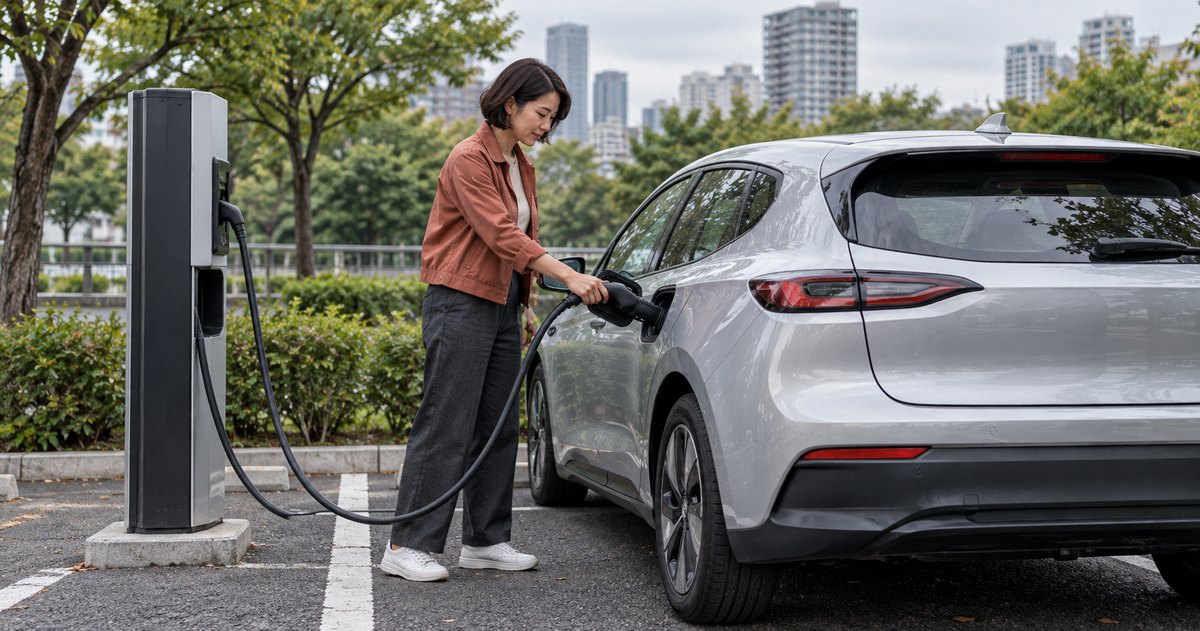
The 2026 campaign highlights the standards that help clean-energy systems connect safely and reliably.
Estimated CEFR reading level: B1. Connected factual sentences, everyday comparisons and explanations of technical cooperation. This is an editorial estimate, not an official certification.
Five useful words
British English pronunciation (IPA). Audio uses an available English voice on your device.
standard /ˈstændəd/
nounAn agreed way of doing or making something.
The team followed a shared standard.
reliable /rɪˈlaɪəbəl/
adjectiveAble to work well when needed.
The school needs a reliable electricity supply.
compatible /kəmˈpætəbəl/
adjectiveAble to work together.
Check that the two parts are compatible.
efficient /ɪˈfɪʃənt/
adjectiveUsing resources without unnecessary waste.
An efficient system uses less energy for the same job.
affordable /əˈfɔːdəbəl/
adjectiveNot too expensive for someone to pay for.
Families need affordable services.
The story
A shared energy goal
World Standards Day is on 14 October. The 2026 campaign focuses on Sustainable Development Goal 7: affordable and clean energy. It highlights how shared standards help the different parts of an energy system form a reliable network.
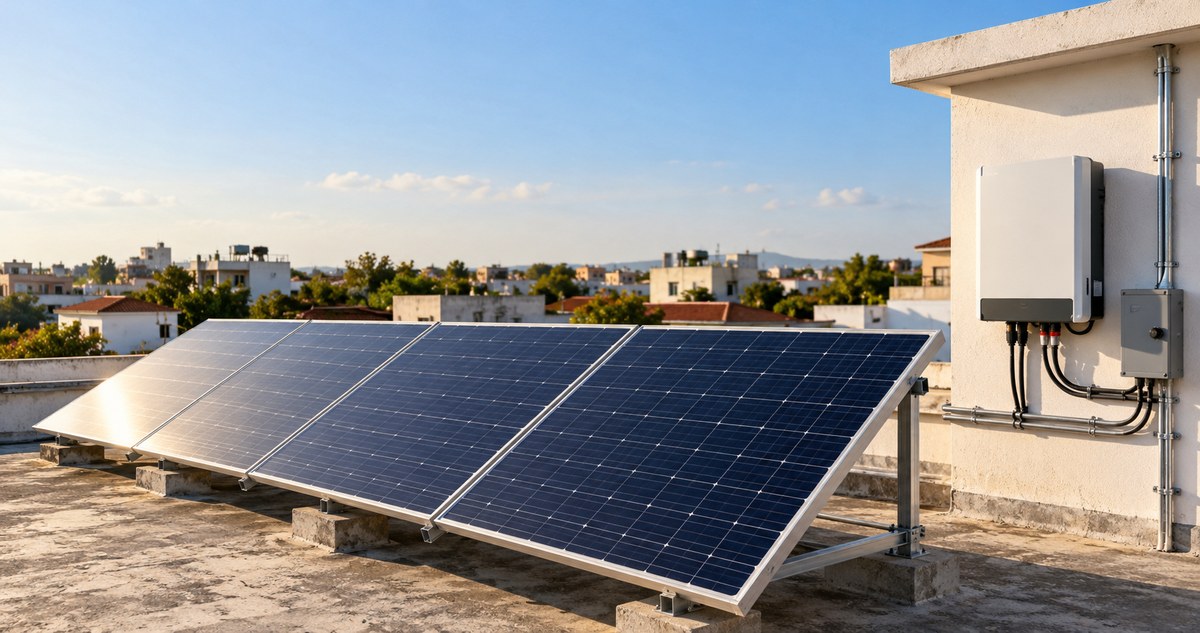
A standard describes agreed ways to make or test something. International standards can help equipment work together safely and efficiently. A solar panel alone is not a complete electricity system: connections, controls and other equipment matter too.
Agreement needs practical work
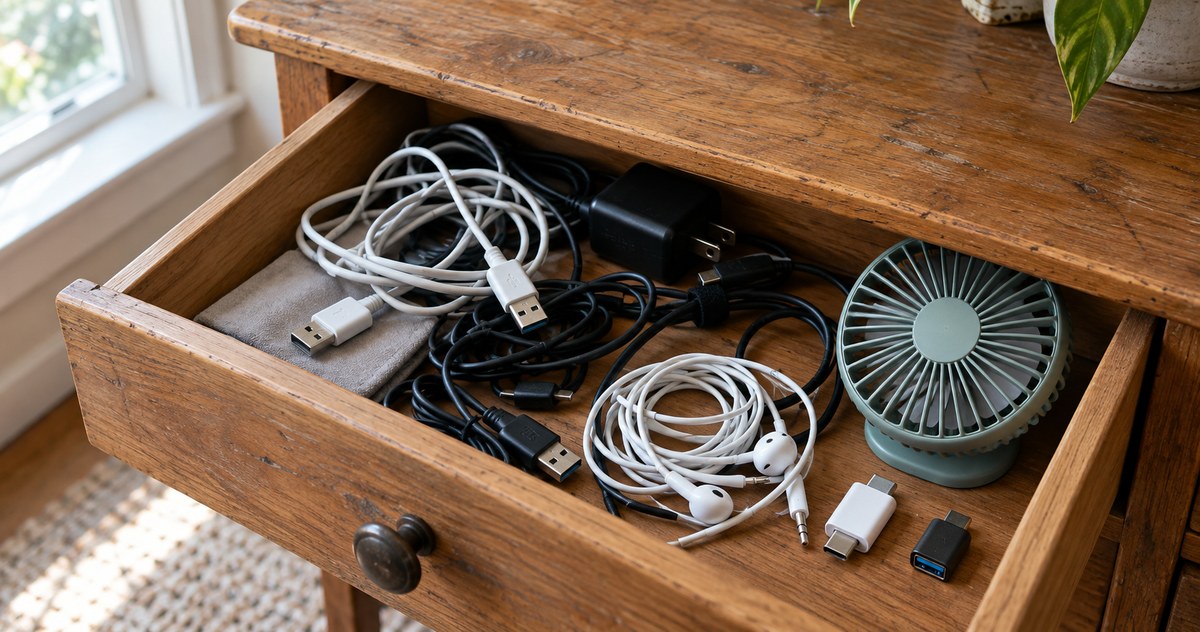
Imagine two teams building parts of the same classroom project. If they use different sizes for the connection, their parts may not fit. This invented example shows why agreeing on a common method can be useful.
Standards provide guidance, but their existence does not guarantee that every installation works well. People must apply them correctly. The campaign celebrates cooperation among experts; it does not announce that everyone already has affordable, clean energy.
Three questions
Try answering before you open the answer. You can use your own words.
- When is World Standards Day?
Show answer
It is on 14 October.
- Which goal does the 2026 campaign highlight?
Show answer
Sustainable Development Goal 7: affordable and clean energy.
- What does the classroom example explain?
Show answer
Parts may not fit if teams use different connection sizes. Shared methods can help them work together.
Let's talk about it
A few ideas to chat about - pick any that interest you.
- Have you ever bought a part or charger that did not fit?
- What would make clean energy easier to use in your area?
- Which service do you most depend on to be reliable?
- Would you prefer one charger for many devices or a special charger for each one?
- What would you like to ask the people who agree on rules for connecting new energy equipment?
Practise a useful pattern
Use help followed by a verb: "Shared standards help equipment work together." Write three sentences about rules or tools that help people do a task.
Frequently asked questions
What is the 2026 World Standards Day focus?
It spotlights Sustainable Development Goal 7: affordable and clean energy.
Does having a standard guarantee a successful installation?
No. A standard provides a shared framework, but people still need to apply it correctly.
Sources and editorial notes
Original learning article by Poly-Puff, written from the factual sources below. Sources checked on 12 October 2026. The artwork and learning activities were created for this article.
An upcoming campaign preview, published before 14 October. The classroom comparison is an original example. The article does not assess a particular solar installation or certify equipment.