B2 · Estimated CEFRBusiness & PoliticsNews & surveys
The IMF's October Outlook: Why a Forecast Is Not a Promise
The October economic outlook describes an uneven world and the risks that could change its forecasts.
Read and practise →All 23 readings in this category, newest first. Explore business, politics, public policy, trade, work and the economy through news and history.
Try another search, level or collection, or clear the filters.
Recent reporting, discoveries and surveys. Source dates are shown on each card.
Explore business, politics, public policy, trade, work and the economy through news and history.
The October economic outlook describes an uneven world and the risks that could change its forecasts.
Read and practise →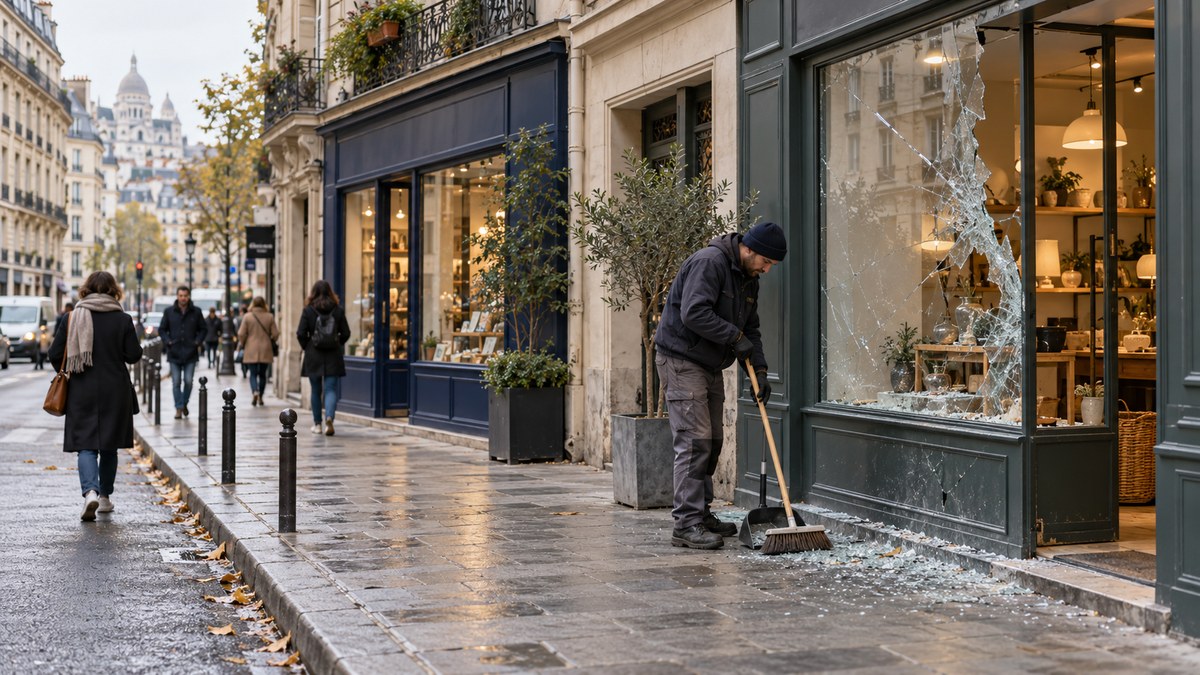
New clashes, damaged shops and a presidential response followed Saturday's demonstrations. Here is a dated follow-up to our earlier France protests reading.
Read and practise →
The UN is linking poverty and housing in its 2026 observance. People affected by housing problems should help shape the solutions.
Read and practise →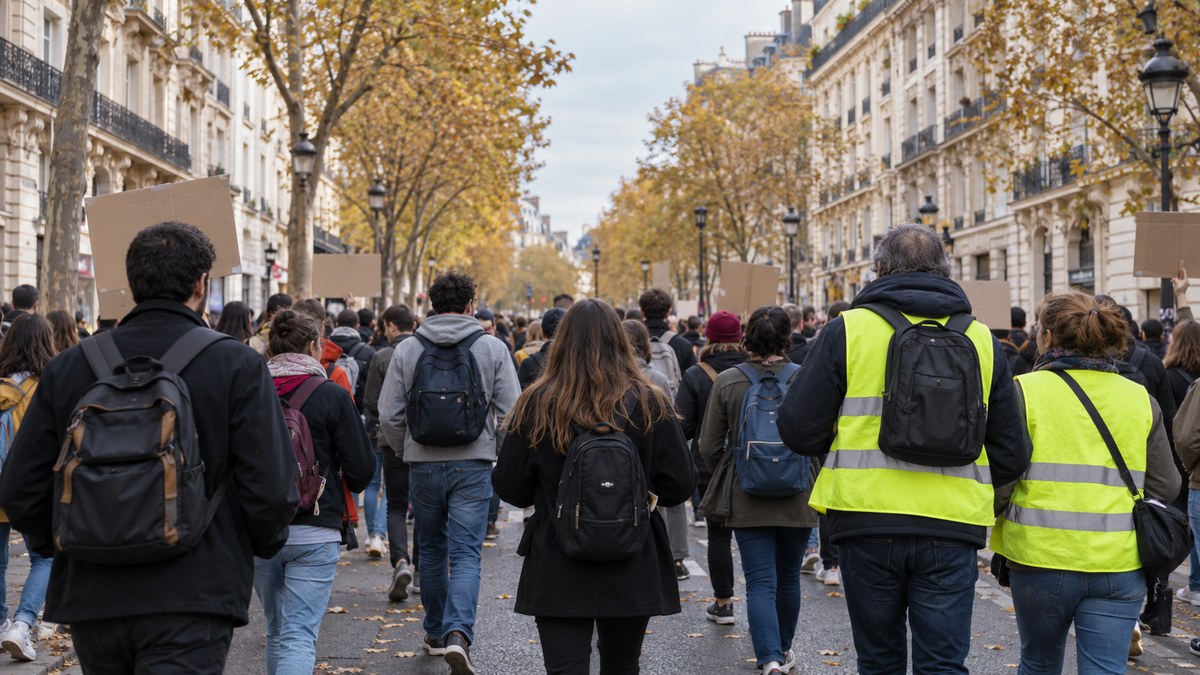
School conditions and household bills have brought different groups onto French streets. What connects their demands?
Read and practise →
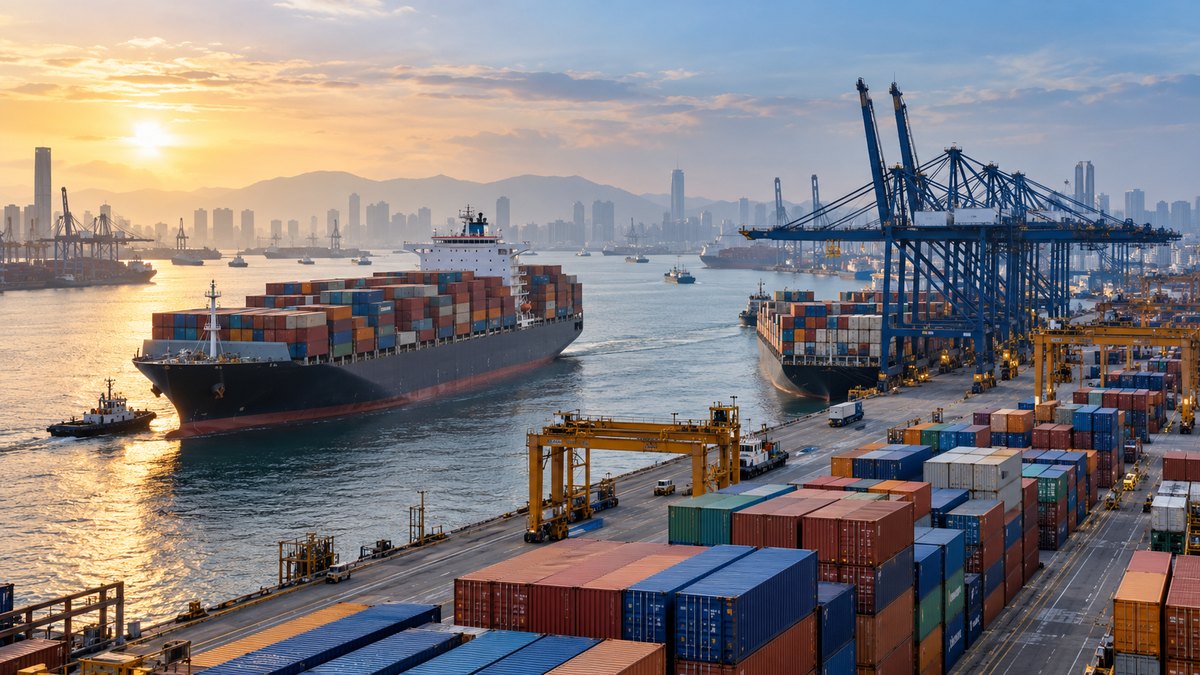
More computer equipment is crossing borders, but the WTO sees a different outlook for goods and services.
Read and practise →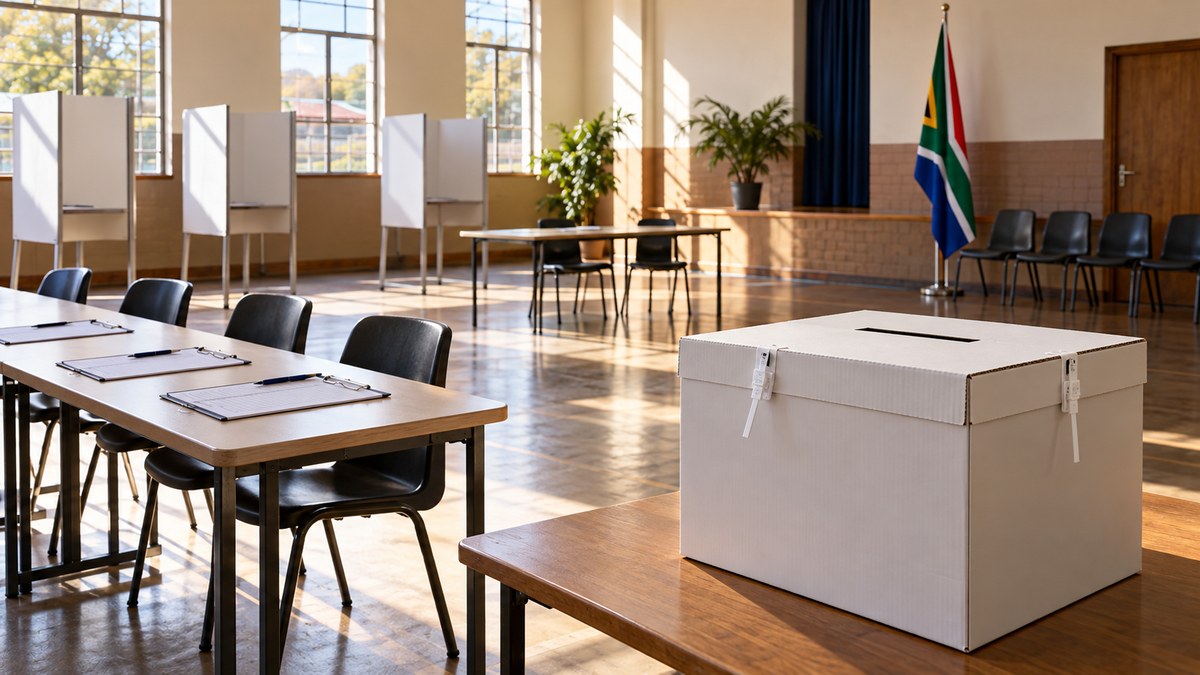
Ballot papers, voting places and special votes are part of the work before election day.
Read and practise →
EU leaders want fewer obstacles for companies working across borders. Turning that ambition into law takes further decisions.
Read and practise →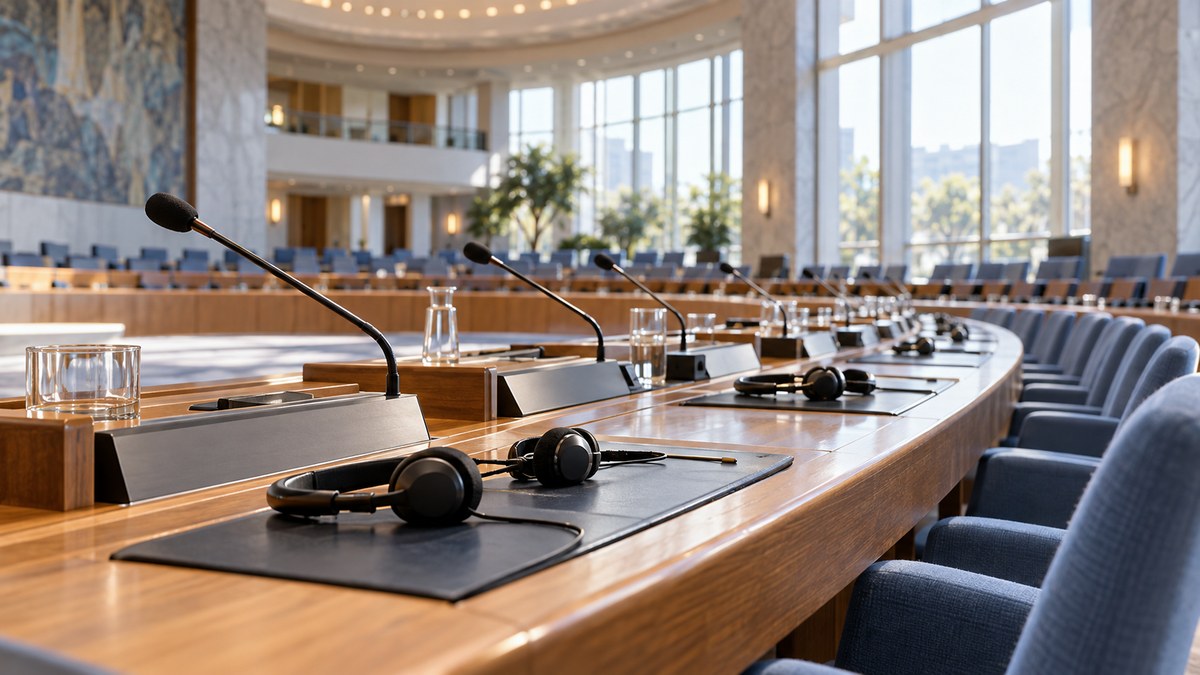
An uncontested Human Rights Council vote raises a distinction between following an election procedure and offering voters a choice.
Read and practise →
A planned investment in packing and storage shows how getting toys to customers is part of manufacturing.
Read and practise →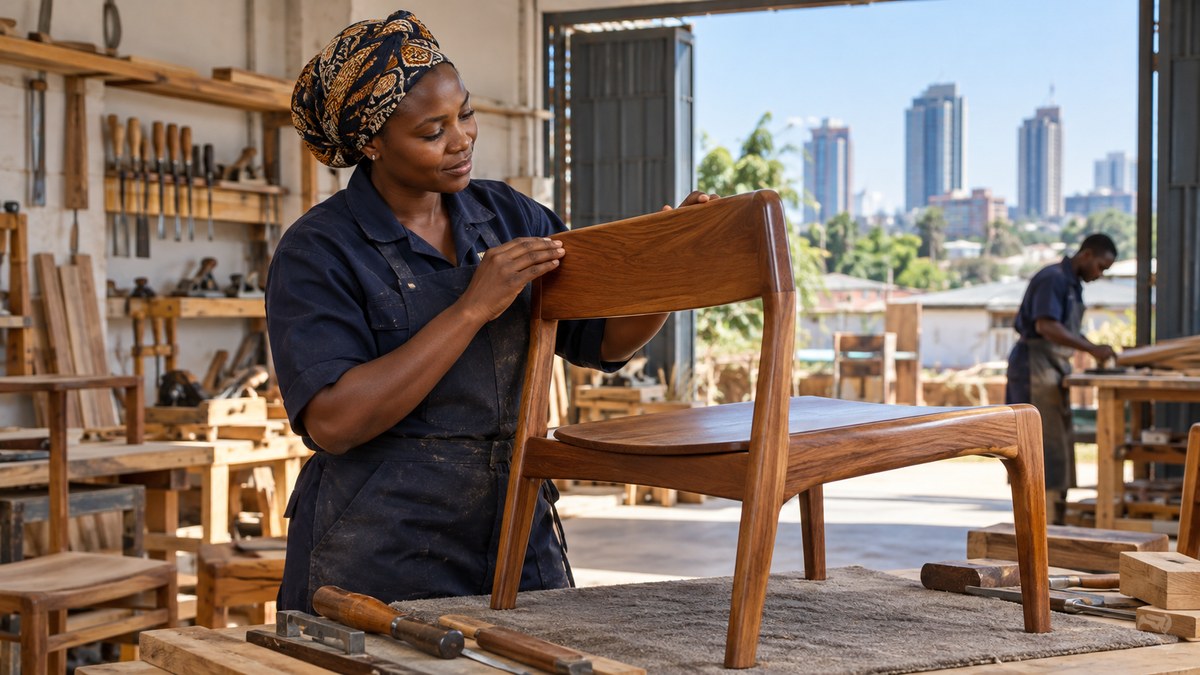
A World Bank update asks how economic growth can become steadier incomes and better opportunities for workers.
Read and practise →
WTO discussions about remittances connect international policy with a practical question: how much money actually arrives?
Read and practise →
An August report links young people's job prospects with both employment opportunities and the quality of available work.
Read and practise →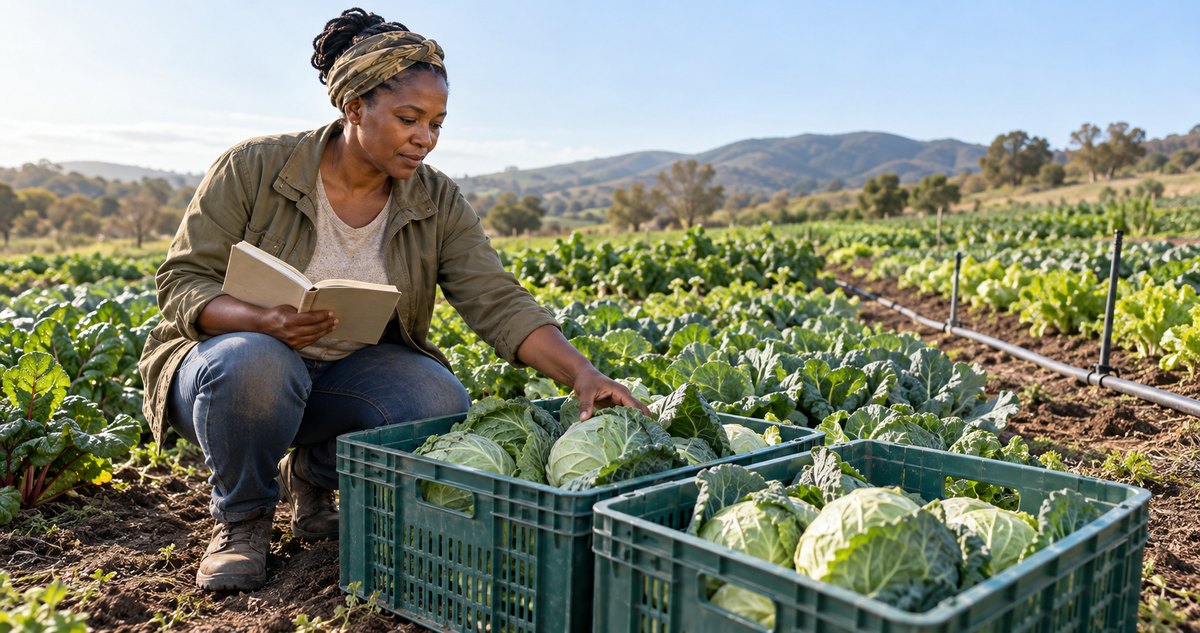
An approaching international day and the Year of the Woman Farmer raise a practical question: what would recognition change?
Read and practise →Explore events from the past. Historical event dates and new lesson dates are shown separately.
Explore business, politics, public policy, trade, work and the economy through news and history.
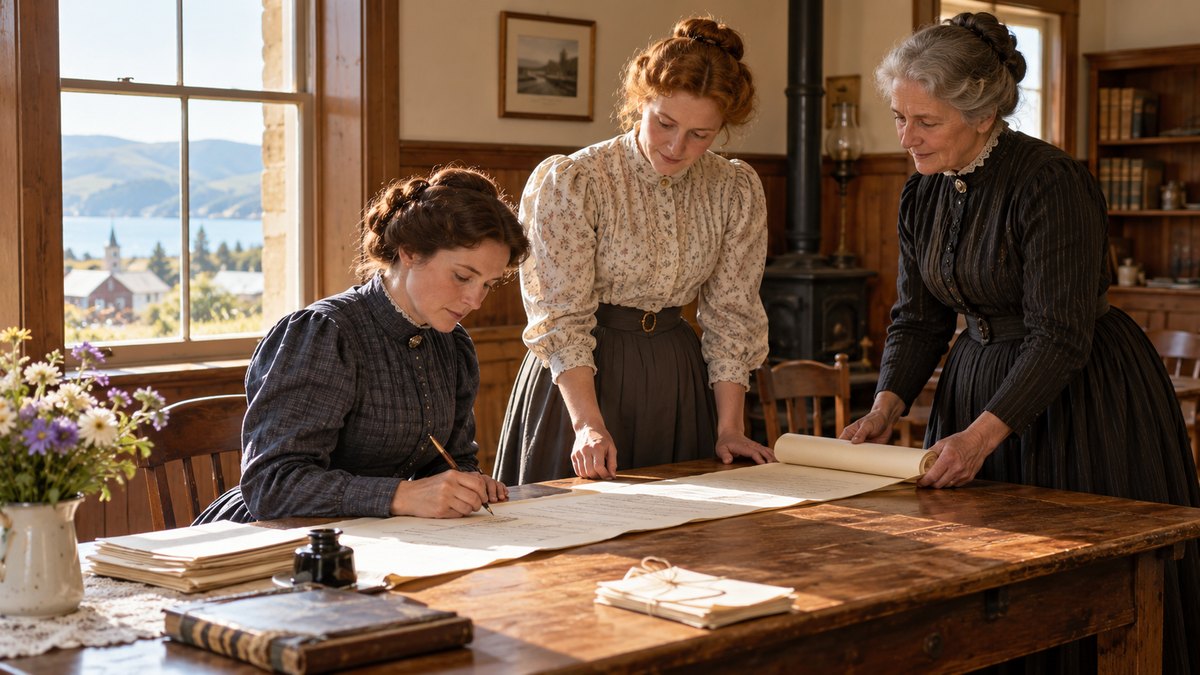
Petitions and political campaigning brought a landmark voting change, while other barriers remained.
Read and practise →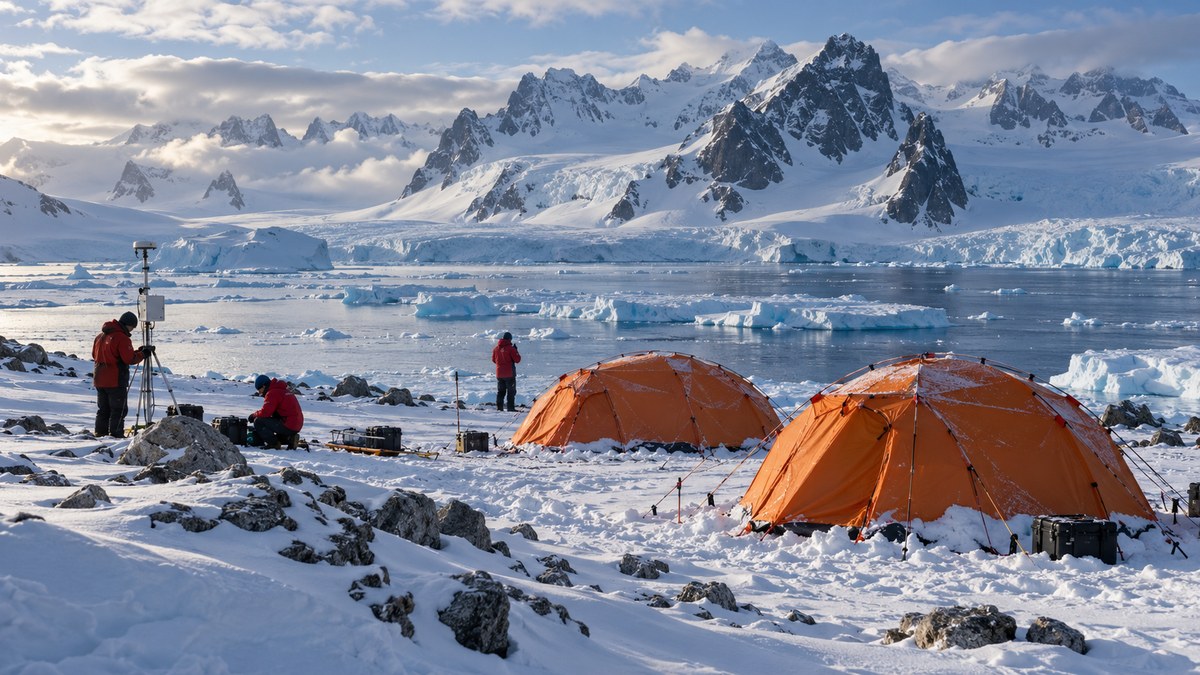
Twelve countries found a way to cooperate in Antarctica while leaving their disagreements over territory unresolved.
Read and practise →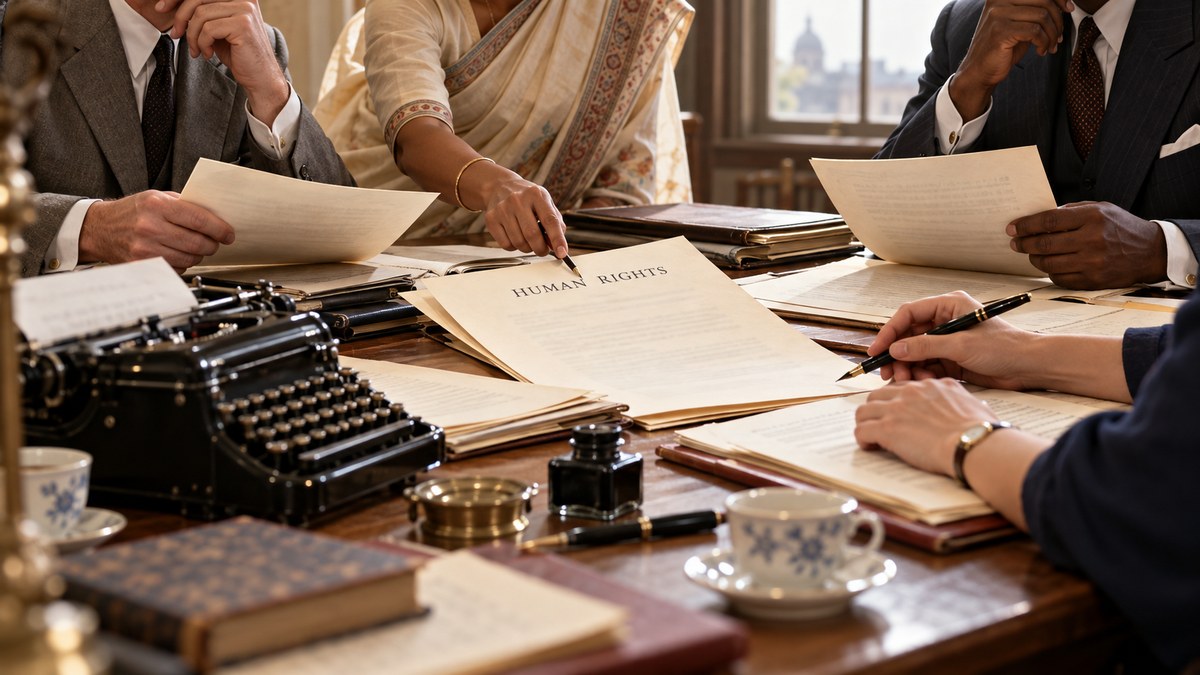
A change from men to human beings helped clarify a universal promise. The declaration emerged from negotiation, rather than one famous author.
Read and practise →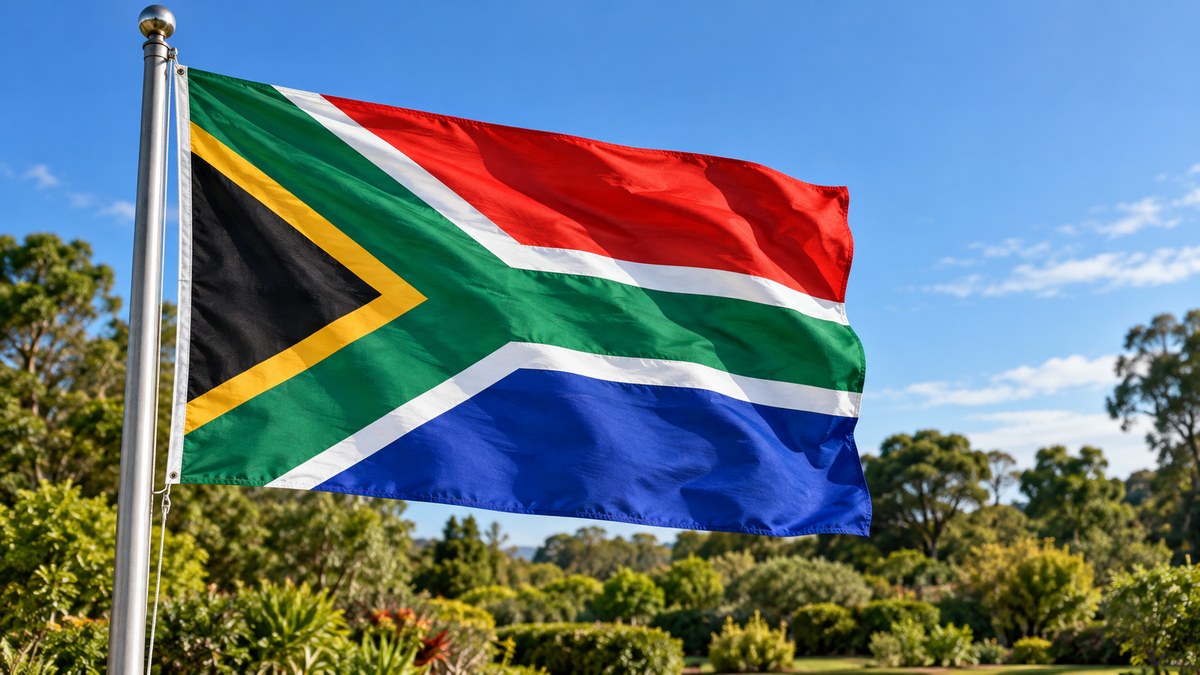
A ceremony in Pretoria marked a new beginning for South Africa after its first democratic elections.
Read and practise →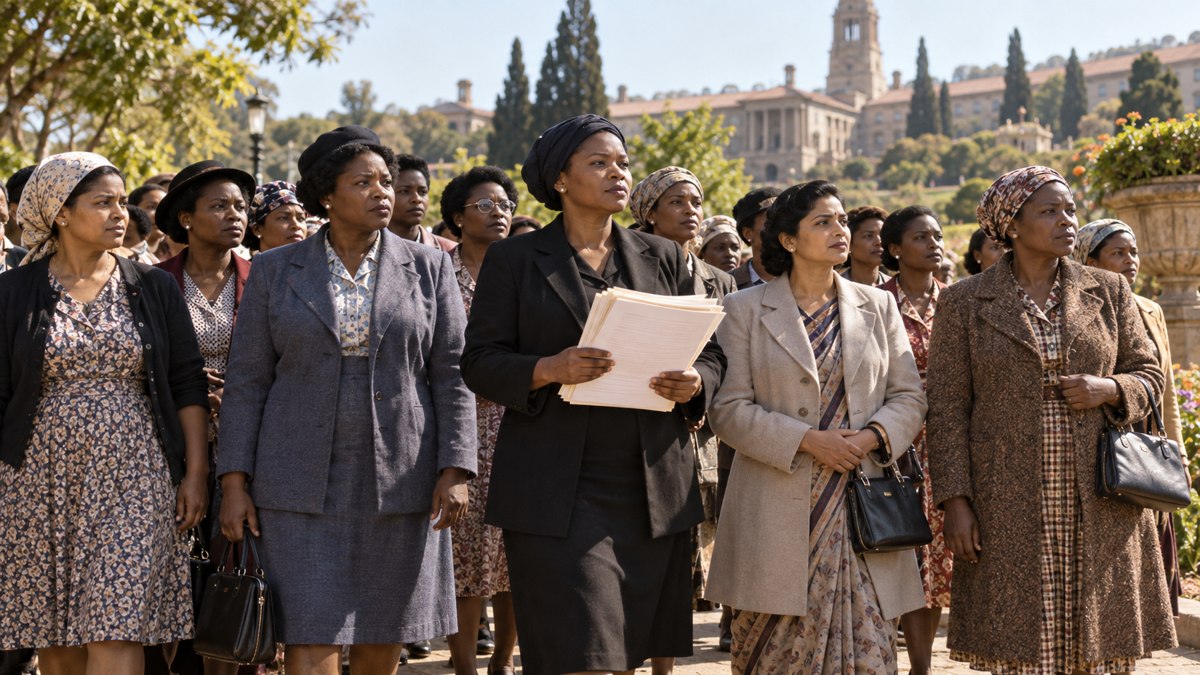
Thousands of women challenged pass laws through a coordinated, peaceful march.
Read and practise →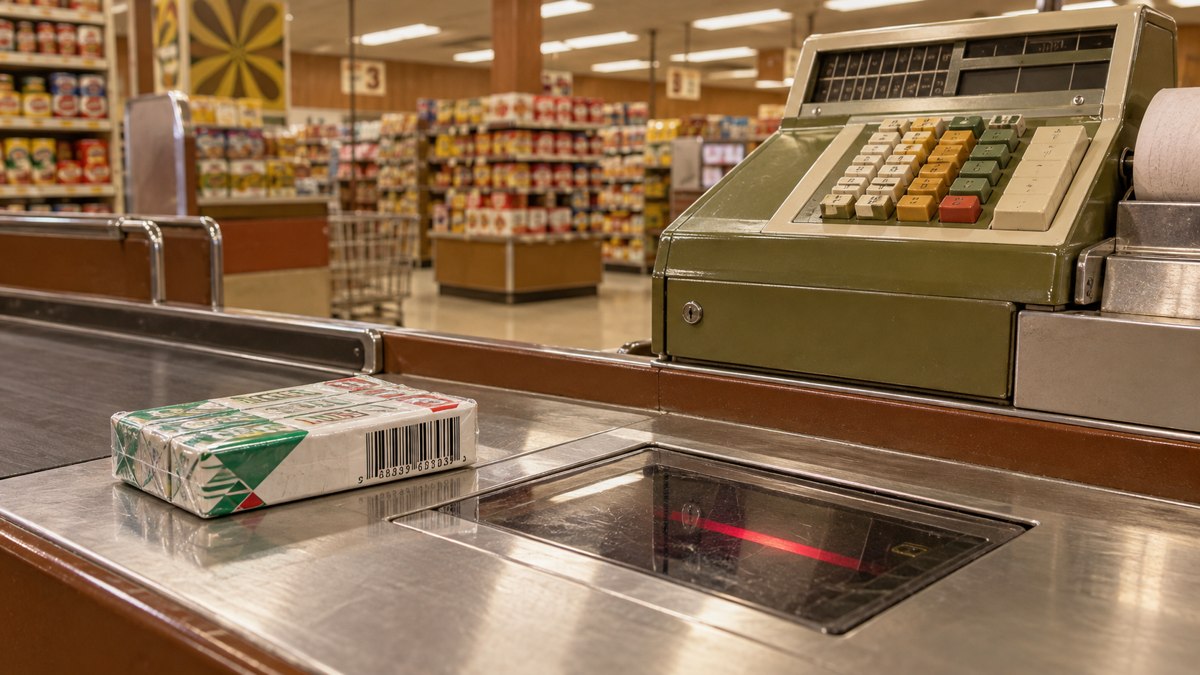
An ordinary shopping item became part of a new way to identify products.
Read and practise →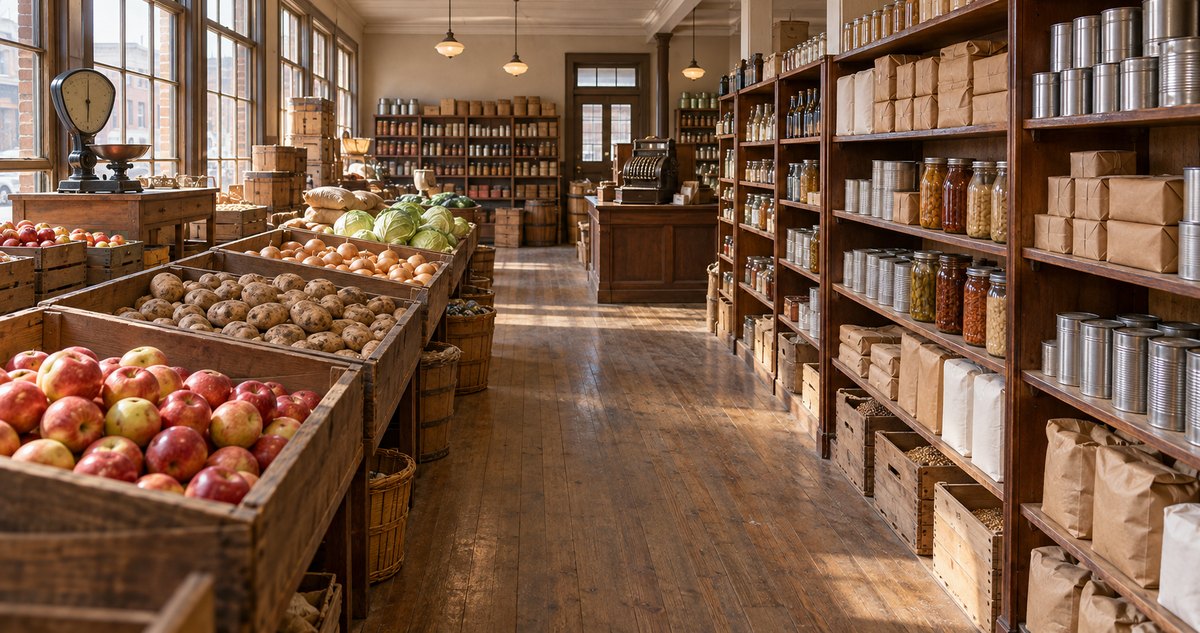
A large New York food shop brought low prices and a wide range of goods into one place.
Read and practise →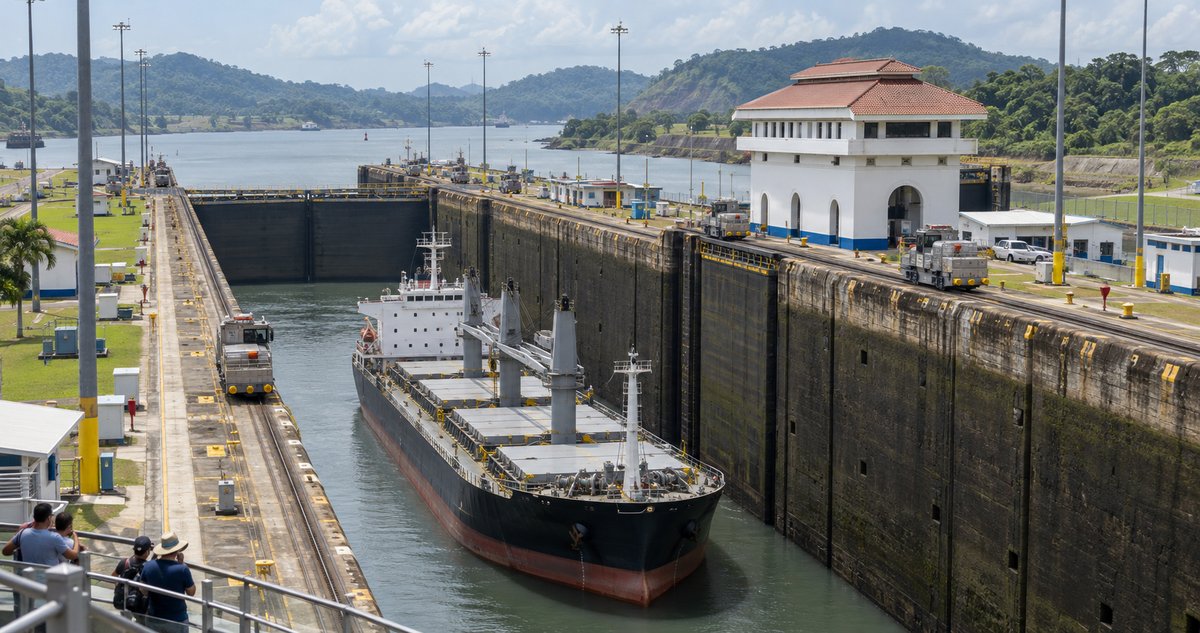
A ship crossed Panama at the official opening of a waterway designed to shorten journeys between two oceans.
Read and practise →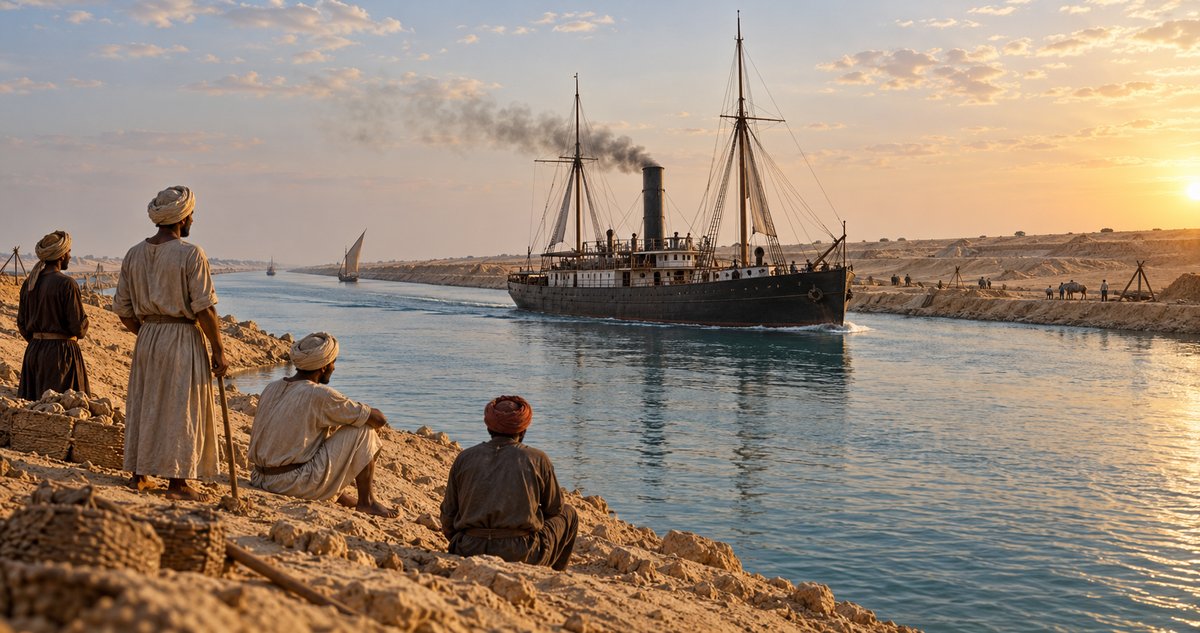
The Suez Canal opened in Egypt in 1869, linking the Mediterranean and Red Seas and shortening many journeys between Europe and Asia.
Read and practise →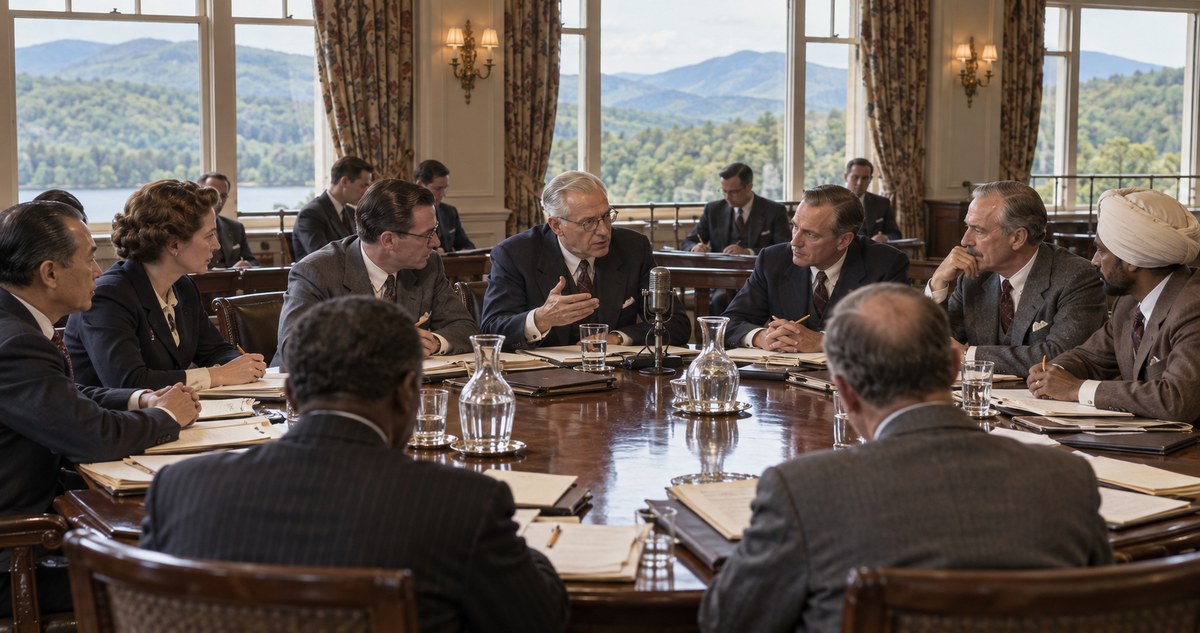
Wartime negotiators designed a monetary framework whose compromises reveal the tension between cooperation and national freedom.
Read and practise →