France Protests: Why Students and Yellow Vests Are Marching
School conditions and household bills have brought different groups onto French streets. What connects their demands?
Estimated CEFR reading level: C1. The story uses abstract political vocabulary, qualified claims and comparisons between different groups and sources. This is an editorial estimate, not an official certification.
Five useful words
British English pronunciation (IPA). Audio uses an available English voice on your device.
grievance /ˈɡriːvəns/
nounA complaint about something a person considers unfair or unacceptable.
Students brought their grievances about school conditions to the march.
deteriorating /dɪˈtɪəriəreɪtɪŋ/
adjectiveBecoming worse in condition or quality.
Repairing deteriorating classrooms requires time and money.
concession /kənˈseʃən/
nounSomething agreed or offered in response to another side's demands.
The staffing announcement was welcomed as an initial concession.
turnout /ˈtɜːnaʊt/
nounThe number of people who attend an event or take part in an activity.
The two organisations gave different estimates of turnout.
common ground /ˌkɒmən ˈɡraʊnd/
noun phraseIdeas, concerns or interests that different people share.
Students and workers found common ground in their financial concerns.
The story
Two sources of frustration
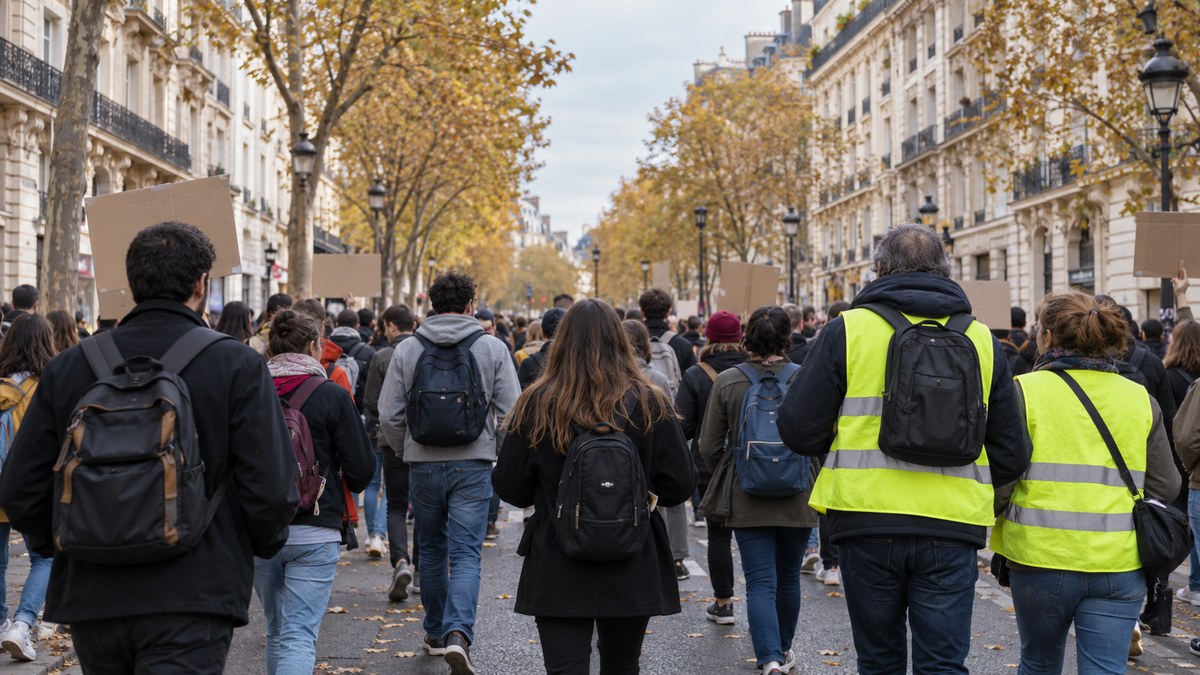
A missing teacher and an expensive tank of fuel might seem like separate problems. In France, they have helped bring different groups onto the streets. On 17 October 2026, demonstrations over living costs drew support from a student movement demanding better school conditions. Their grievances overlap, although the participants do not necessarily share every demand.
The school protests began in September. Students complained about absent teachers, deteriorating buildings and exhausting timetables. Some blocked school entrances, interrupting lessons while trying to make officials listen. University students, teachers and trade unions subsequently joined demonstrations. What started around classroom conditions became a wider argument about the resources available to public education.
A promise and a broader movement
The government has offered an emergency response. Reuters reported on 9 October that Education Minister Edouard Geffray was contacting around 3,000 qualified teachers to fill urgent staffing gaps. Student representatives welcomed the announcement as an initial concession, but continued protesting. A staffing pledge, after all, does not by itself show whether everyday conditions have improved.
By 17 October, the Yellow Vest movement had called for demonstrations bringing young people together with workers, pensioners and farmers. The movement first became prominent in 2018 over proposed fuel-tax increases. This time, anger over high prices helped connect household budgets with the students' concerns. Both raise a question about how people experience economic pressure.
Policing, participation and public money
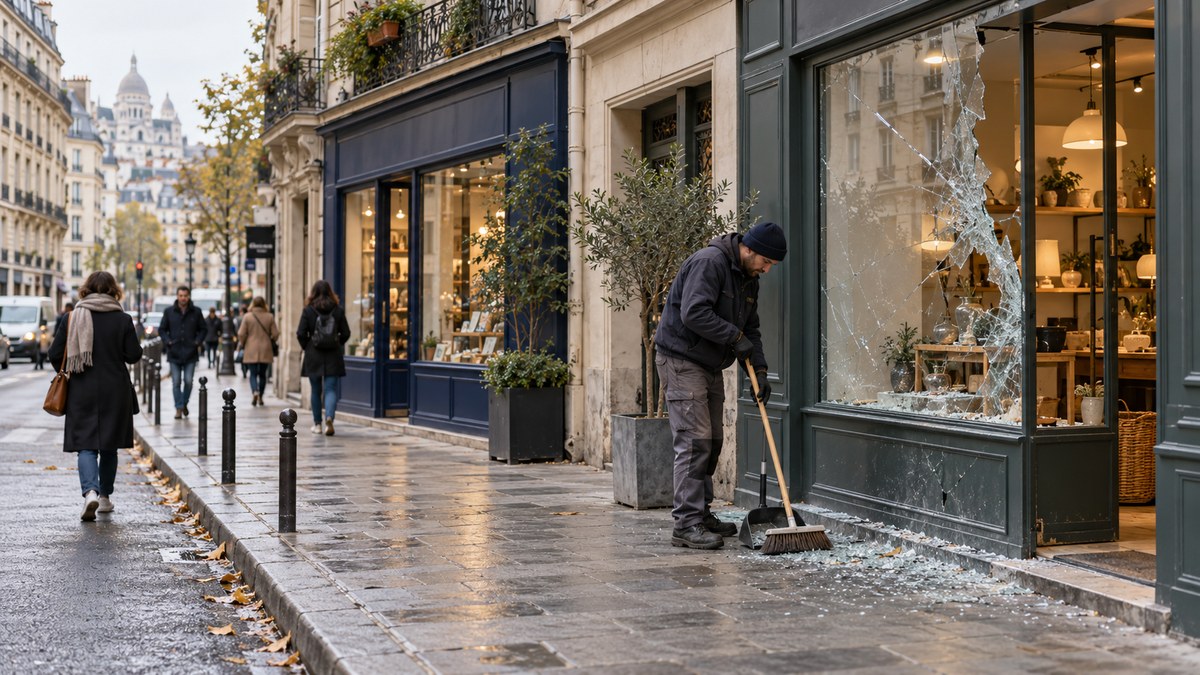
The demonstrations have also intensified arguments about policing. AFP reported that most marches on 13 October were peaceful, while violence occurred around some gatherings. On 17 October, its reporters witnessed confrontations in Paris, where police used tear gas and water cannon. Criticism of alleged excessive police force has itself become a reason for some people to demonstrate.
Crowd estimates require care. For the 13 October demonstrations, France's interior ministry counted 161,500 participants nationwide; organising unions put turnout at 480,000, according to AFP. These are competing estimates of the same day, not figures to add together. Early reports from 17 October also covered different areas and times, so they cannot provide a settled national total.
Behind the dispute lies a difficult political choice: how to respond to demands for stronger public services while reducing public debt. Reuters identified that tension in its reporting. Whether emergency measures can rebuild trust remains uncertain. For now, the protests show how frustration in classrooms can find common ground with pressure on household finances.
Three questions
Try answering before you open the answer. You can use your own words.
- Which school conditions prompted students to protest?
Show answer
Students complained about absent teachers, deteriorating buildings and exhausting timetables.
- Why did the article describe the staffing announcement as an initial concession?
Show answer
It responded to an urgent student demand, but an announcement alone does not establish that everyday conditions have improved. Student representatives continued protesting.
- How should readers treat the two turnout figures for 13 October?
Show answer
They are competing estimates of the same demonstrations: 161,500 from the interior ministry and 480,000 from organising unions. They should not be added together.
Let's talk about it
A few ideas to chat about - pick any that interest you.
- What do you make of students and Yellow Vest supporters finding common ground?
- Which school improvement would have made the greatest difference during your own education?
- How do you feel about blockades as a way of drawing attention to school conditions?
- What would make an emergency staffing promise feel convincing to a community?
- When reports give very different crowd estimates, what helps you form an impression of a protest?
Practise a useful pattern
Use while to bring two pressures into the same sentence: "The government faces demands for better schools while it tries to reduce public debt." Write a sentence about a government response and continuing student concerns using while.
Example: The minister has announced a staffing response, while student representatives continue to demand broader improvements.
Frequently asked questions
Why are people protesting in France in October 2026?
Student demands over school staffing, buildings and timetables have met wider anger about living costs. Some participants are also protesting against alleged excessive police force. Participants do not necessarily share every demand.
How has the French government responded to the school protests?
Reuters reported on 9 October that the education minister was contacting around 3,000 qualified teachers to fill urgent staffing gaps. Student representatives welcomed an initial concession but continued protesting.
Sources and editorial notes
Original learning article by Poly-Puff, written from the factual reporting below. Sources checked on 17 October 2026. The learning activities and representative artwork were created for this article.
This is a dated account of a developing story. The latest source used is AFP's 17 October report, displayed as published at 14:25 on its page; the page does not label the time zone. The 13 October crowd figures are attributed estimates from the interior ministry and organising unions. Early 17 October figures are not treated as final totals. Allegations about police conduct are not presented as settled findings. The 3,000-teacher measure is an announced response, not independently verified deployment or proof that shortages have ended.
- AFP, 17 October 2026: living-cost demonstrations and Yellow Vest participation
- AFP, 13 October 2026: student demands, policing and attributed turnout estimates
- Reuters via MarketScreener, 9 October 2026: emergency staffing plan and continuing protests
- Reuters via GV Wire, 8 October 2026: school conditions, government response and public-finance tensions