1994: Nelson Mandela Becomes President
A ceremony in Pretoria marked a new beginning for South Africa after its first democratic elections.
Estimated CEFR reading level: A2. Short chronological sentences explain election, president and apartheid in accessible language. This is an editorial estimate, not an official certification.
Five useful words
British English pronunciation (IPA). Audio uses an available English voice on your device.
president /ˈprezɪdənt/
nounThe leader of a republic.
Mandela became president in 1994.
election /ɪˈlekʃən/
nounAn event in which people vote to choose leaders.
The country held an election.
ceremony /ˈserəməni/
nounA formal event for a special occasion.
The ceremony took place in Pretoria.
prison /ˈprɪzən/
nounA place where people are kept as a punishment or while waiting for trial.
Mandela spent many years in prison.
vote /vəʊt/
verbTo make a choice in an election.
People voted in the election.
The story
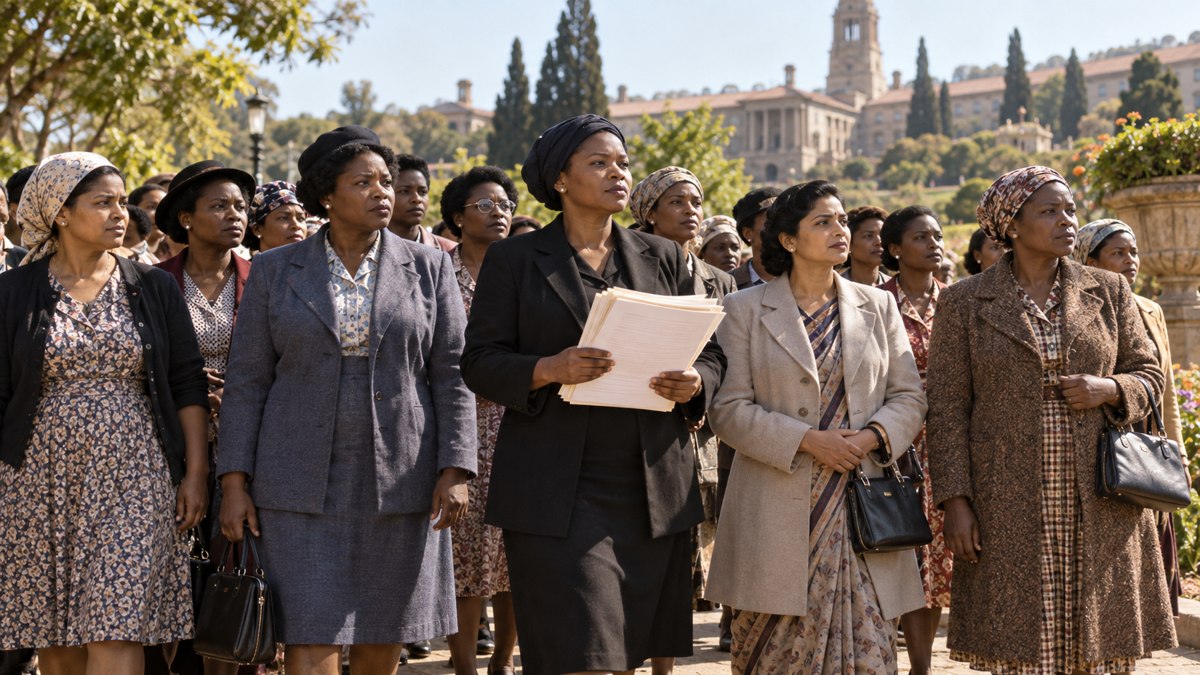
On 10 May 1994, Nelson Mandela became South Africa's first democratically elected president. His inauguration, the ceremony that began his work as president, took place at the Union Buildings in Pretoria.
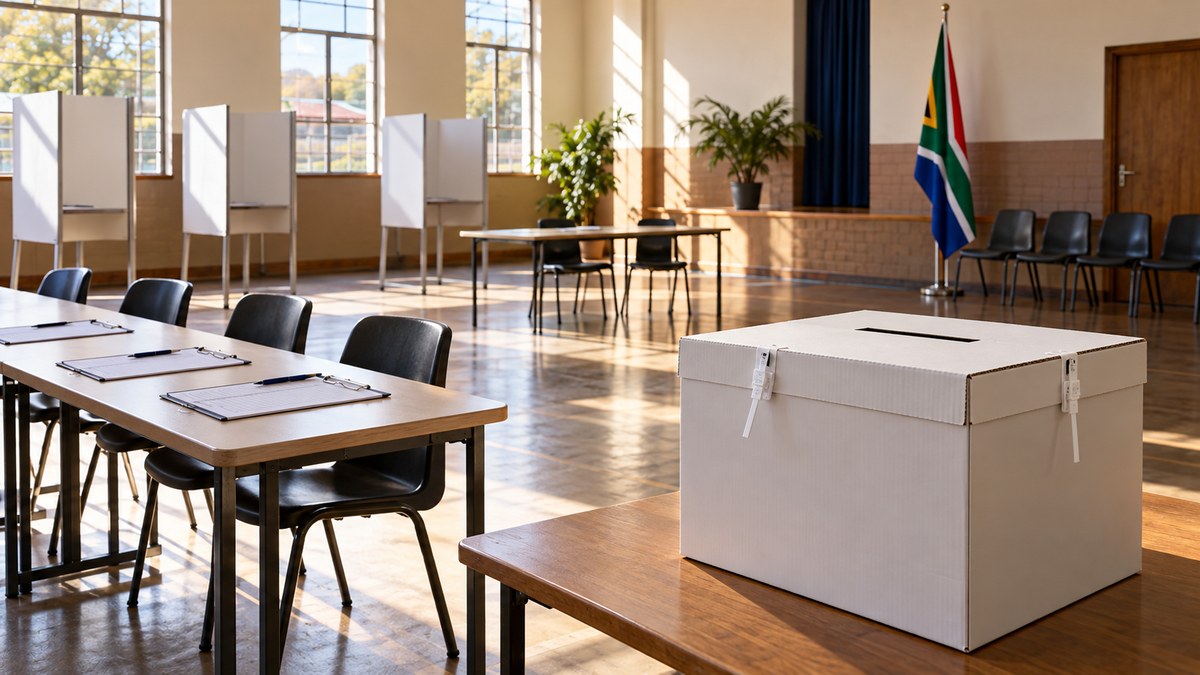
The country had held its first democratic elections in April. Before this change, apartheid laws treated people differently because of their race. Black South Africans did not have the same voting rights as white South Africans.
Mandela had spent many years in prison for his work against apartheid. Now he spoke about building a country where people could live together.
The election and the inauguration were different events. The new Parliament elected Mandela president on 9 May; the ceremony followed on 10 May. South Africa still had many problems to solve. The day was an important beginning, not the end of all its difficulties.
Three questions
Try answering before you open the answer. You can use your own words.
- Where was the inauguration?
Show answer
At the Union Buildings in Pretoria.
- On what date was the ceremony?
Show answer
10 May 1994.
- Did the ceremony end all South Africa's problems?
Show answer
No. It was an important beginning, but many problems remained.
Let's talk about it
Here are some ideas for a chat. Choose any you like.
- Would you like to visit the Union Buildings?
- What makes a national celebration special for you?
- Do you enjoy learning about famous leaders?
- Would you rather watch an important ceremony at home or in a crowd?
- What helps people from different backgrounds feel welcome together?
Practise a useful pattern
Use before and after to put two past events in order. Write a sentence about 9 and 10 May.
Example: Parliament elected Mandela before the inauguration took place.
Frequently asked questions
When was Nelson Mandela inaugurated as president?
On 10 May 1994.
Was the inauguration the same event as the election?
No. The public elections were in April. Parliament elected Mandela president on 9 May, and his inauguration followed on 10 May.
Sources and editorial notes
Original learning article by Poly-Puff, written from the factual sources below. Sources checked on 17 October 2026. The artwork and learning activities were created for this article.
The Foundation biography and government speech were read directly; the Foundation's account of Parliament's 9 May vote corroborates that separate date. The A2 account is concise and does not suggest that democratic elections immediately removed all inequality. The flag illustration is a representative civic scene, not the 1994 ceremony.