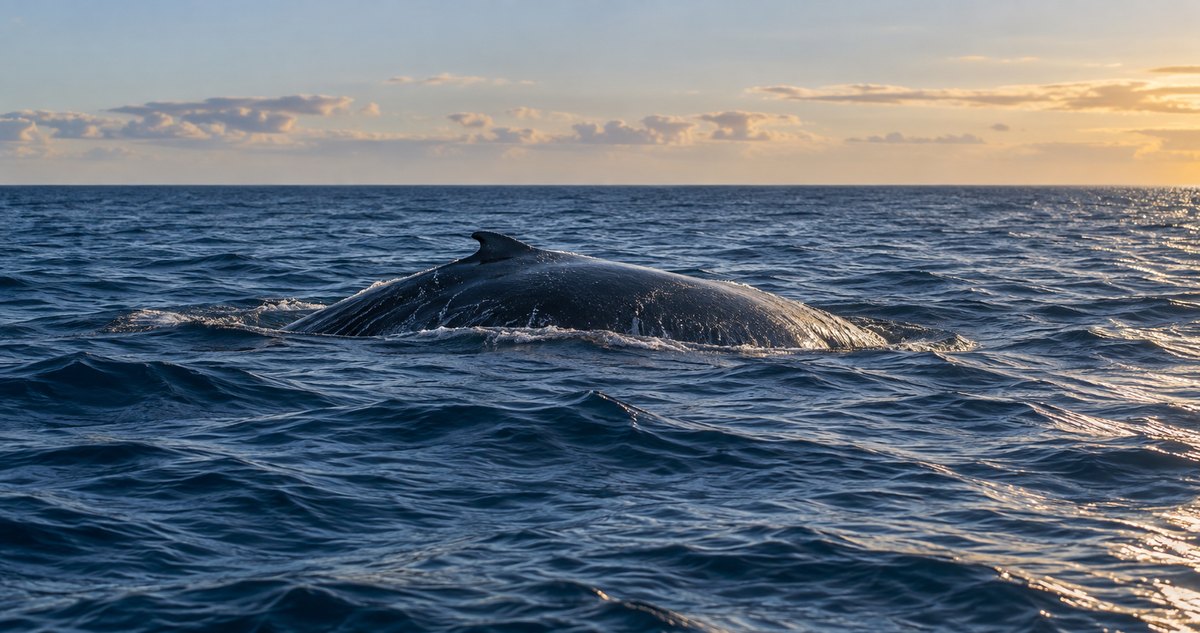
World Migratory Bird Day 2026: Why Your Observations Matter
World Migratory Bird Day highlights how ordinary people can contribute to research. Repeated observations help reveal patterns that one sighting cannot show.
Estimated CEFR reading level: B2. Environmental vocabulary, relative clauses and distinctions between observations and conclusions. This is an editorial estimate, not an official certification.
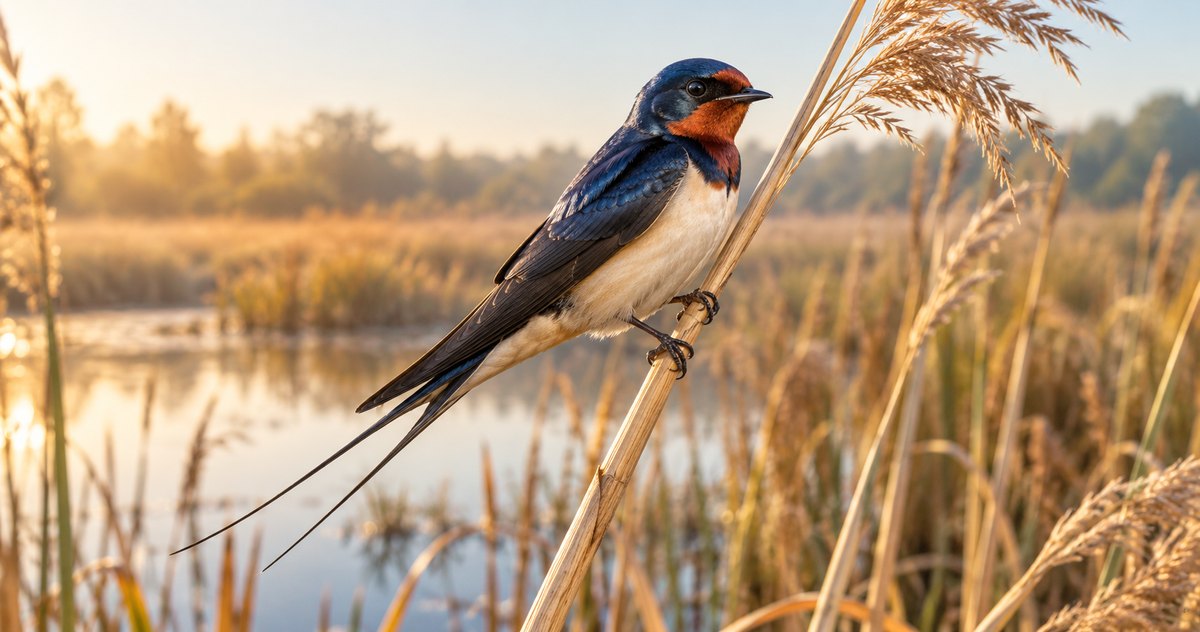
Five useful words
British English pronunciation (IPA). Audio uses an available English voice on your device.
migratory /maɪˈɡreɪtəri/
adjectiveMoving between places as part of an annual cycle.
Migratory birds need habitats along their route.
observation /ˌɒbzəˈveɪʃən/
nounSomething noticed and recorded.
Each observation includes a date.
monitor /ˈmɒnɪtə/
verbCheck something repeatedly to follow changes.
Volunteers monitor birds each year.
habitat /ˈhæbɪtæt/
nounThe natural place where an organism lives.
The wetland is an important habitat.
conservation /ˌkɒnsəˈveɪʃən/
nounProtection of nature and wildlife.
Good evidence supports conservation decisions.
The story
A journey worth recording
World Migratory Bird Day held its second peak day of 2026 on 10 October. This year, the campaign focuses on community science: research that members of the public help carry out.
Migratory birds travel between places during their annual cycle. Their journeys cross borders, so protecting them requires cooperation. Volunteers can contribute observations that help researchers follow migration, monitor populations and identify important habitats.
From a sighting to a pattern
A bird seen in one garden is interesting, but one sighting cannot explain an entire population. Records from many people, places and dates can provide a much wider picture. Scientists still need to consider how observations were collected before drawing conclusions.
The campaign also marks sixty years of the International Waterbird Census, a long-running monitoring effort supported by volunteers. It shows why repeated participation matters: useful knowledge develops over time.
People can contribute without leading a research team. In an organised monitoring project, volunteers follow shared methods and record what they observe. Those records help researchers investigate migration and conservation. A familiar activity such as watching birds can therefore become useful evidence when it is carried out consistently.
Three questions
Try answering before you open the answer. You can use your own words.
- What does the 2026 campaign focus on?
Show answer
Community science and the contribution of public observations.
- Why are records from many dates useful?
Show answer
They can reveal changes and patterns that one sighting cannot show.
- Does a single sighting prove a population is growing?
Show answer
No. Researchers need wider evidence and must consider how records were collected.
Let's talk about it
A few ideas to chat about - pick any that interest you.
- Would you enjoy taking part in a local bird count?
- What might make you unsure about a wildlife sighting someone reported?
- Which natural place near you would you like people to notice more?
- Would you enjoy returning to the same place each season to notice which birds were there?
- What would make a bird-counting activity welcoming to someone who could not yet name many birds?
Practise a useful pattern
Use a relative clause to explain a role: "Volunteers who record birds help researchers." Write two sentences about people who protect your local environment.
Frequently asked questions
When is World Migratory Bird Day in 2026?
Its two peak days are 9 May and 10 October, reflecting different migration seasons.
What is community science?
Research in which members of the public contribute, for example by recording observations through an organised project.
Sources and editorial notes
Original learning article by Poly-Puff, written from the factual sources below. Sources checked on 11 October 2026. The artwork and learning activities were created for this article.
This reading explains the global campaign, not the results of a new population survey. The statement about one sighting is an editorial explanation of evidence limits. The hero is illustrative and must not be used as species-monitoring data.