The IMF's October Outlook: Why a Forecast Is Not a Promise
The October economic outlook describes an uneven world and the risks that could change its forecasts.
Estimated CEFR reading level: B2. Qualification, cause and effect, and topic-specific vocabulary support the B2 estimate. This is an editorial estimate, not an official certification.
Five useful words
British English pronunciation (IPA). Audio uses an available English voice on your device.
forecast /ˈfɔːkɑːst/
nounAn estimate of what may happen later.
The forecast changes when new information arrives.
uneven /ʌnˈiːvən/
adjectiveDifferent in strength or effect across places or groups.
The recovery was uneven across the region.
productivity /ˌprɒdʌkˈtɪvəti/
nounHow much is produced with a given amount of work or resources.
Better tools can improve productivity.
assumption /əˈsʌmpʃən/
nounSomething accepted as a starting point for reasoning.
The plan rests on an assumption about demand.
projection /prəˈdʒekʃən/
nounAn estimate based on current information and stated conditions.
A projection can be revised.
The story
The International Monetary Fund's October 2026 outlook projects global economic growth of 3.1 per cent this year and 3.4 per cent in 2027. These figures are forecasts, not completed results.
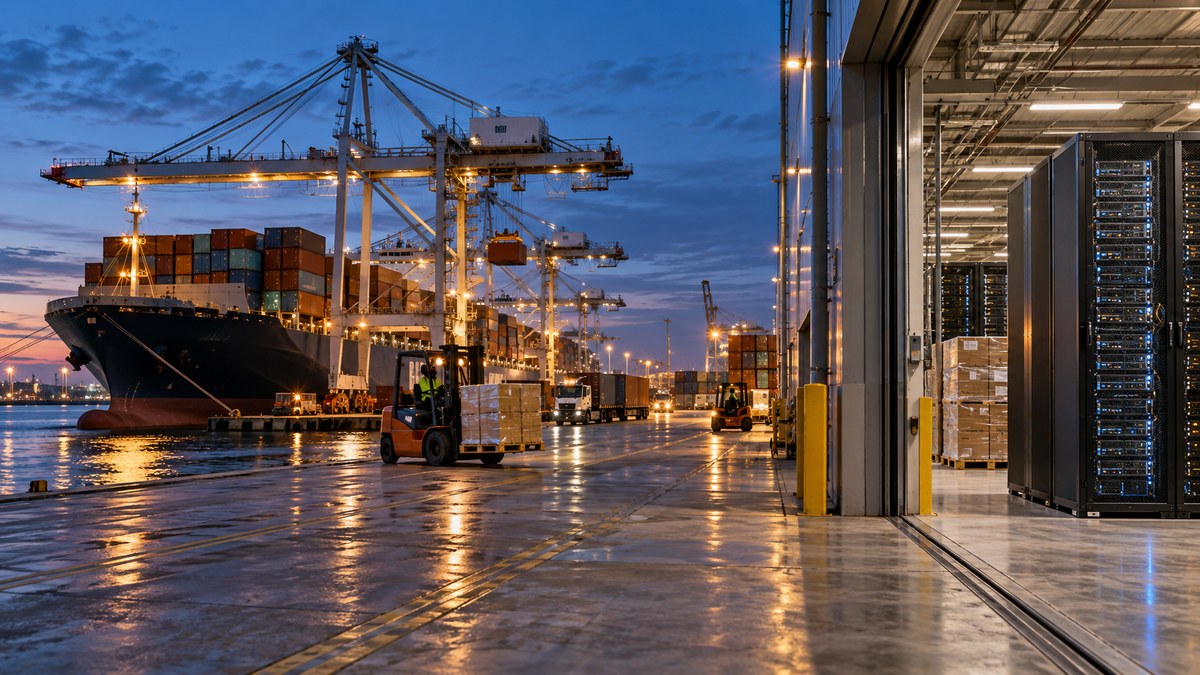
The report describes an uneven picture. Economies benefiting from technology investment may have different experiences from those facing expensive imported energy. A global average cannot describe every business or household.
The IMF identifies risks including conflict, renewed trade tensions and pressure on government finances. It also notes possible improvements, such as stronger productivity or easing international tensions. The direction depends partly on developments that cannot be known in advance.
Its estimates use information available through 1 October. Later events may change the picture. When reading an economic headline, the date and assumptions matter: a projection explains what analysts expect under certain conditions. It does not promise that those conditions will hold.
Three questions
Try answering before you open the answer. You can use your own words.
- Are the growth figures completed results?
Show answer
No. They are forecasts for 2026 and 2027.
- Why can a global average be incomplete?
Show answer
Different economies, businesses and households can have different experiences.
- What information date does the article identify?
Show answer
The report's estimates use information available through 1 October 2026.
Let's talk about it
A few ideas to chat about - pick any that interest you.
- Which economic stories do people discuss where you live?
- Have changing prices affected a plan you made?
- What makes an economic report easier for you to understand?
- How do you feel when a forecast changes?
- Which local business would you like to see doing well?
Practise a useful pattern
Use may or could to describe a possible development without treating it as certain. Write a cautious prediction about a business.
Example: Lower transport costs could help the shop reach more customers.
Frequently asked questions
What does the October IMF outlook forecast for global growth?
It projects 3.1 per cent in 2026 and 3.4 per cent in 2027.
Why might the forecast change?
New evidence or changes in conflict, trade, investment and other assumptions may alter the outlook.
Sources and editorial notes
Original learning article by Poly-Puff, written from the factual sources below. Sources checked on 21 October 2026. The artwork and learning activities were created for this article.
Growth figures are global projections, not personal financial advice or verified annual outcomes. Publication, information cut-off and forecast years are kept separate. No investment recommendation is made.