1922: Tutankhamun's Tomb and the Work After Discovery
Finding the entrance was a dramatic moment. Recording and conserving the objects required years of teamwork.
Estimated CEFR reading level: B2. Connected historical explanation, passive forms and contrasts between finding and documenting evidence. This is an editorial estimate, not an official certification.
Five useful words
British English pronunciation (IPA). Audio uses an available English voice on your device.
tomb /tuːm/
nounA place where a person is buried.
The tomb contained objects for the burial.
excavation /ˌekskəˈveɪʃən/
nounThe careful removal of earth to study a site.
The excavation required a trained team.
conservation /ˌkɒnsəˈveɪʃən/
nounWork to preserve an object or place.
The fragile object needed conservation.
document /ˈdɒkjəment/
verbTo record information carefully.
The team documented each object.
context /ˈkɒntekst/
nounThe setting or surrounding information that helps explain something.
Its location provided useful context.
The story
An entrance in the valley
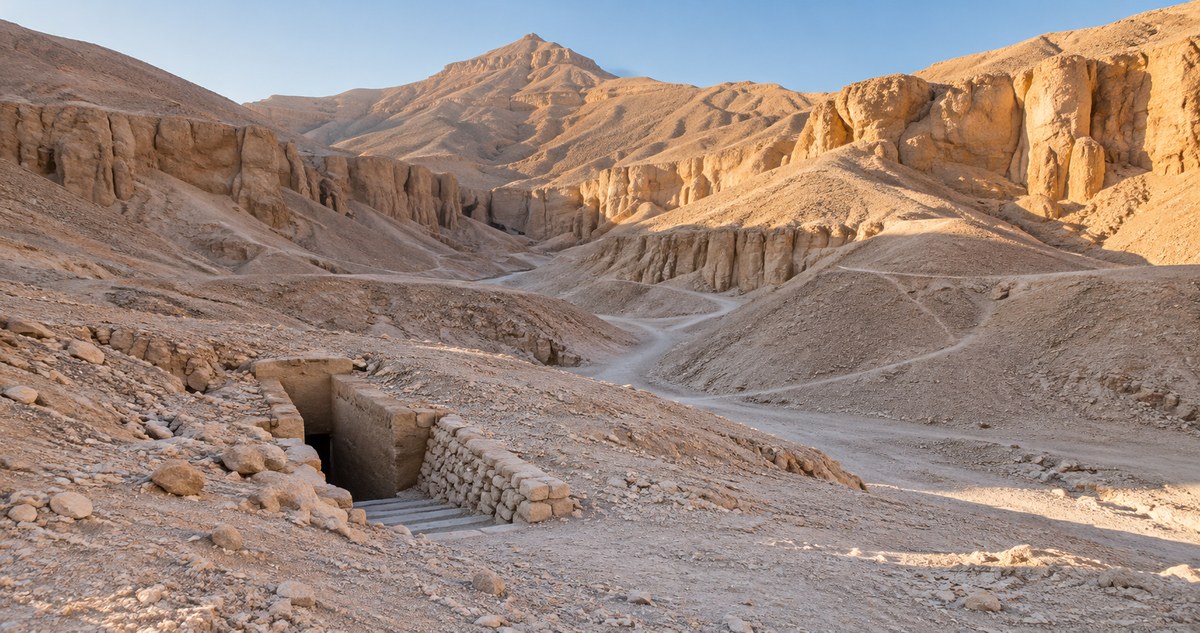
On 4 November 1922, a team of Egyptian workers led by Howard Carter uncovered Tutankhamun's tomb in the Valley of the Kings. Lord Carnarvon financed the search. The ancient burial had suffered some looting, but much of its contents remained.
The discovery was not simply a moment when one person found gold. Workers, specialists and careful preparation all contributed. Once the chambers were opened, the team faced another task: documenting and preserving what lay inside.
Keeping the evidence
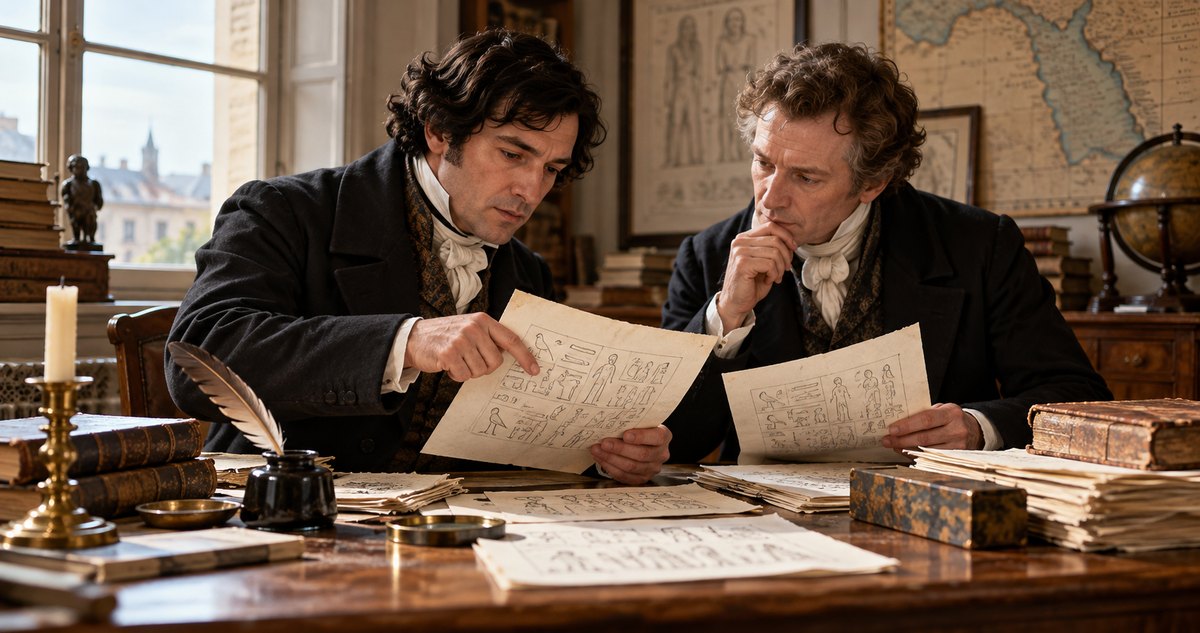
Photographer Harry Burton joined the work through the Metropolitan Museum's Egyptian Expedition. He recorded objects in their original positions and during examination. These images help later researchers understand relationships that could be lost when objects are moved.
Imagine sorting a box of old family photographs. Recording where each photograph lay before moving it might preserve clues about its history or its connection to other items. This fictional example shows why archaeologists document an object's position as well as the object itself.
The tomb's study continued for years. A famous discovery can begin research rather than finish it; finding, recording and conservation are different achievements.
Three questions
Try answering before you open the answer. You can use your own words.
- Who uncovered the tomb in November 1922?
Show answer
A team of Egyptian workers led by Howard Carter, with the search financed by Lord Carnarvon.
- Why were Harry Burton's photographs useful?
Show answer
They recorded the objects and their positions, preserving context for later study.
- Did finding the entrance complete the research?
Show answer
No. Recording, studying and conserving the contents continued for years.
Let's talk about it
A few ideas to chat about - pick any that interest you.
- Have you ever found an old object whose story you wanted to know?
- Whose work would you like to hear more about in the tomb's discovery?
- What would you want to keep track of before sorting an old collection?
- Would you rather visit an excavation in progress or a museum where its objects had been carefully arranged?
- What would make an exhibition about the tomb respectful to the people whose lives it represents?
Practise a useful pattern
Use was or were followed by a past participle: "The objects were documented before they were moved." Write three passive sentences about the work at an excavation.
Frequently asked questions
Was the tomb completely untouched?
No. Ancient looting had occurred, although much of its contents survived.
Is the generated landscape an archival photograph?
No. It is a representative landscape inspired by the Valley of the Kings, not the documented entrance to Tutankhamun's tomb.
Sources and editorial notes
Original learning article by Poly-Puff, written from the factual sources below. Sources checked on 12 October 2026. The artwork and learning activities were created for this article.
The discovery date refers to uncovering the tomb entrance, not every later opening of its chambers. Museum summaries differ on some later opening dates; this lesson does not select one or claim a precise object total. The family-photograph comparison is invented.