1889: The Eiffel Tower Turns Criticism into Curiosity
Paris did not immediately agree about its new iron tower. A controversial project became a place that people wanted to experience for themselves.
Estimated CEFR reading level: B2. Past-tense narration with concessions, contrasting viewpoints and an inference about how public opinion can change. This is an editorial estimate, not an official certification.
Five useful words
British English pronunciation (IPA). Audio uses an available English voice on your device.
structure /ˈstrʌktʃə/
nounSomething built from connected parts.
The structure uses thousands of metal parts.
inaugurate /ɪˈnɔːɡjəreɪt/
verbTo formally mark the opening or beginning of something.
The city inaugurated the new bridge.
objection /əbˈdʒekʃən/
nounA reason for opposing or disagreeing with something.
The residents explained their objection to the plan.
controversial /ˌkɒntrəˈvɜːʃəl/
adjectiveCausing strong disagreement.
The proposed building was controversial.
prediction /prɪˈdɪkʃən/
nounA statement about what someone thinks will happen.
Her prediction changed when she saw the finished design.
The story
A controversial plan
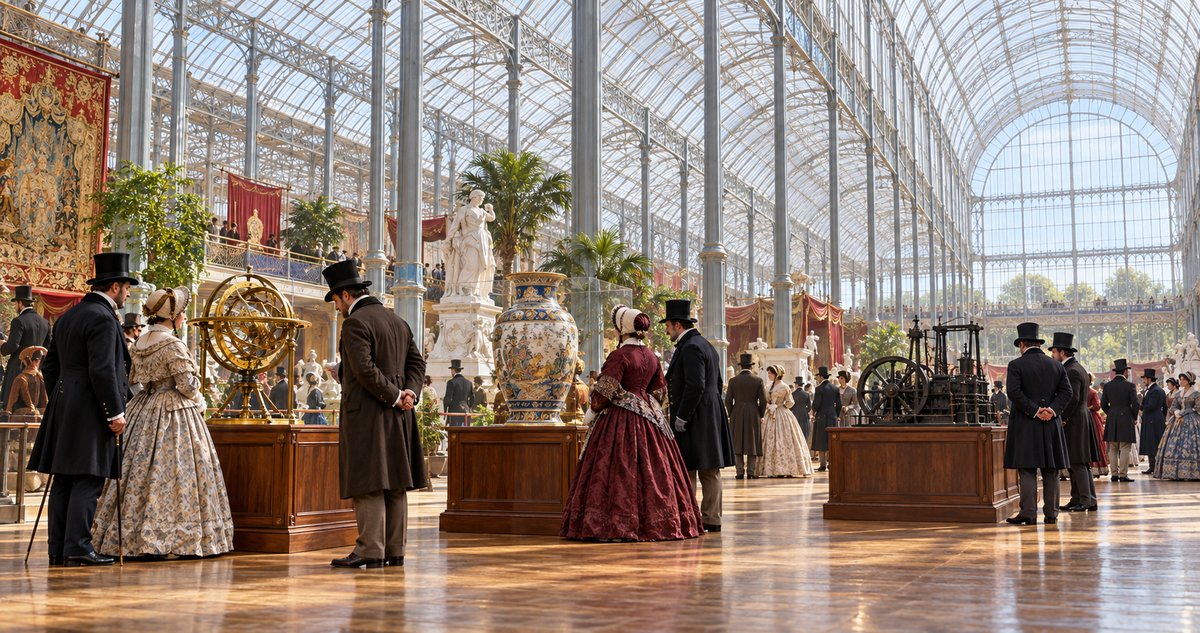
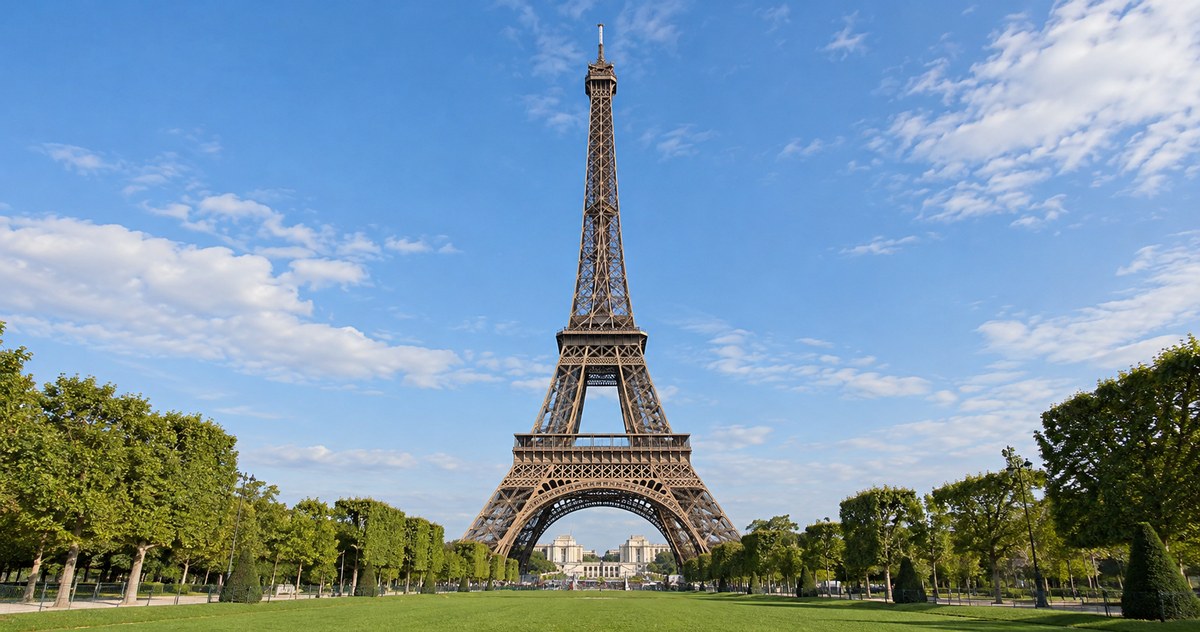
The Eiffel Tower was built for the 1889 World's Fair in Paris. Construction began in 1887. Gustave Eiffel's company, its engineers and many workers turned the plan into a tower roughly three hundred metres high.
Not everyone welcomed it. Some writers and artists argued that the iron structure would damage the appearance of their city. Their objections show that a building can be an engineering achievement and still cause disagreement about beauty.
Meeting the finished tower
The structure was inaugurated on 31 March 1889. That was not the same as its public opening: visitors began entering on 15 May. At first, the lifts were not yet operating, so people had to climb the stairs.
According to the tower's official history, nearly two million visitors came during the fair. Popular interest weakened the earlier criticism.
Visitors experienced the tower itself, rather than judging only drawings and predictions, and the debate changed. A disputed proposal became a symbol of Paris. That history shows how opinions about a place can develop; it does not establish that every controversial building project will succeed.
Three questions
Try answering before you open the answer. You can use your own words.
- What event was the tower built for?
Show answer
The 1889 World's Fair in Paris.
- Why are 31 March and 15 May 1889 both important?
Show answer
31 March was the inauguration; 15 May was the public opening.
- Does the final paragraph claim that every criticised project will succeed?
Show answer
No. It limits the conclusion to how experiencing a finished place can change an earlier debate.
Let's talk about it
A few ideas to chat about - pick any that interest you.
- Is there a building you find useful but do not especially like looking at?
- Have you changed your opinion of a place after visiting it?
- What would you want a new landmark in your town to offer?
- Would you prefer a landmark that looks familiar or one that surprises visitors?
- How much say would you like local residents to have over a building that could become their city's symbol?
Practise a useful pattern
Use although to connect two contrasting ideas: "Although some artists opposed the tower, many visitors wanted to see it." Write two sentences comparing an early opinion with a later experience.
Frequently asked questions
When did the Eiffel Tower open in 1889?
It was inaugurated on 31 March 1889 and opened to the public on 15 May.
Did Gustave Eiffel design the tower entirely on his own?
No. Engineers Maurice Koechlin and Emile Nouguier developed the initial idea, with architectural work by Stephen Sauvestre, within Eiffel's company.
Sources and editorial notes
Original learning article by Poly-Puff, written from the factual sources below. Sources checked on 12 October 2026. The artwork and learning activities were created for this article.
The inauguration and public-opening dates are distinguished. The article does not use 15 May as the opening date of the World's Fair itself. Its image is a generated contemporary landmark view, not an archival record of 1889.