Ozone Recovery: Why a Smaller Hole Is Only Part of the Story
A new ozone bulletin reveals progress, while long-term evidence explains why protection and monitoring must continue.
Estimated CEFR reading level: C1. A sustained explanation of scientific evidence, conditional projections and international cooperation, requiring readers to distinguish a trend from a single observation. This is an editorial estimate, not an official certification.
Five useful words and expressions
British English pronunciation (IPA). Audio uses an available English voice on your device.
depletion /dɪˈpliːʃən/
nounA reduction in the amount of something available.
Researchers measure ozone depletion across successive Antarctic seasons.
phase out /ˌfeɪz ˈaʊt/
phrasal verbTo stop using or producing something gradually.
The agreement required countries to phase out several harmful chemicals.
conditional /kənˈdɪʃənəl/
adjectiveDependent on particular circumstances or requirements.
The recovery date is conditional on continued protection.
scrutiny /ˈskruːtɪni/
nounClose and careful examination.
Unexpected emissions require independent scrutiny.
sustained /səˈsteɪnd/
adjectiveMaintained over an extended period.
Sustained observation helps distinguish a trend from annual variation.
The story
Progress without a finished recovery
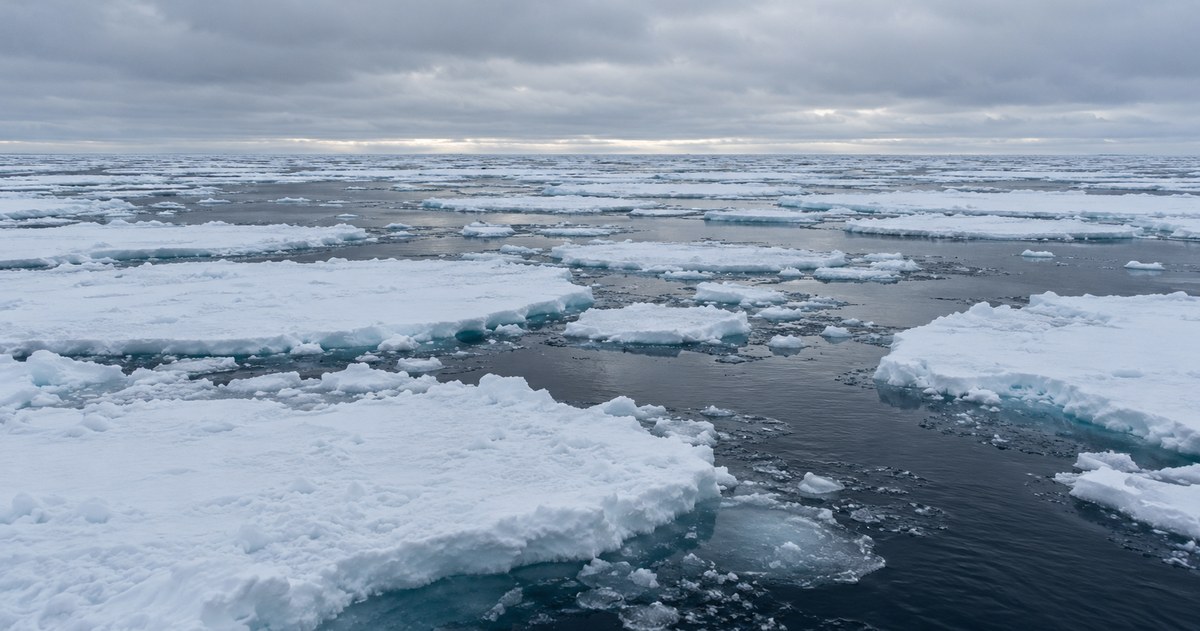
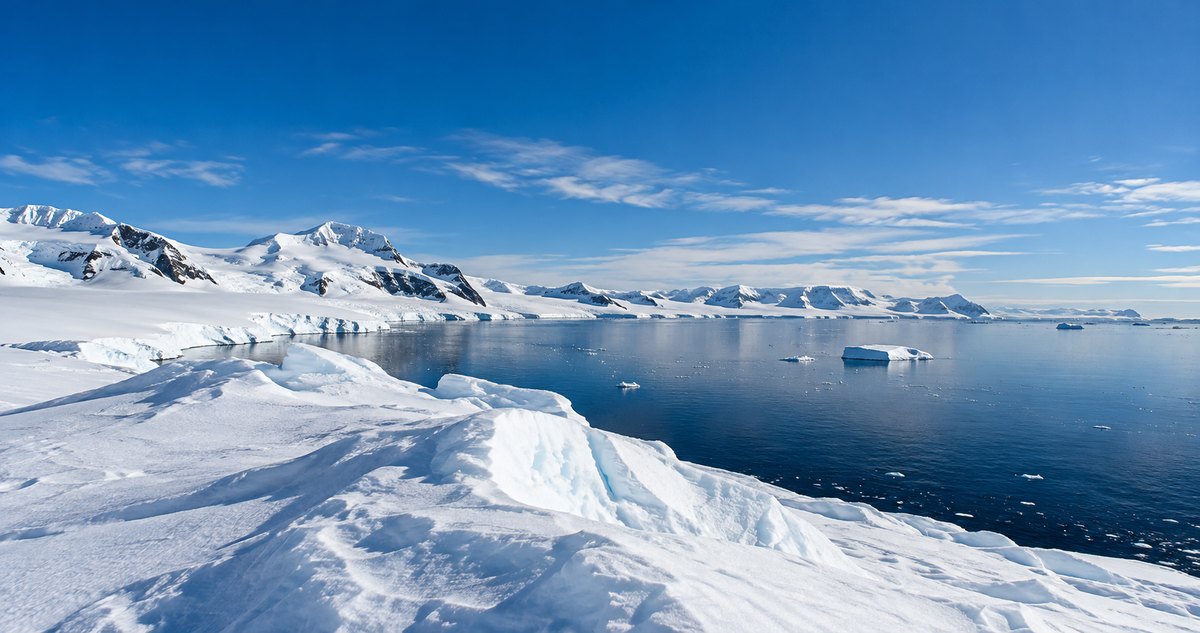
On 16 September 2026, the World Meteorological Organization reported that the Antarctic ozone hole in 2025 was among the smallest in recent decades. The result supports a longer recovery story, although one season cannot establish that the problem has disappeared. Atmospheric conditions vary annually, and regions and layers do not recover equally.
Ozone in the stratosphere absorbs harmful ultraviolet radiation. Certain manufactured chemicals damage it. The ozone hole means severe seasonal depletion over Antarctica, not a literal opening in the atmosphere. The Montreal Protocol, agreed in 1987, required countries to phase out ozone-depleting substances.
Why improvement takes time
Restrictions prevent additional damage, but chemicals already released can remain for years. Consider an overflowing bath after its tap is closed: stopping the inflow matters, although water on the floor still needs attention. This editorial comparison separates prevention from accumulated harm; it cannot represent all the atmosphere's chemistry or variability.
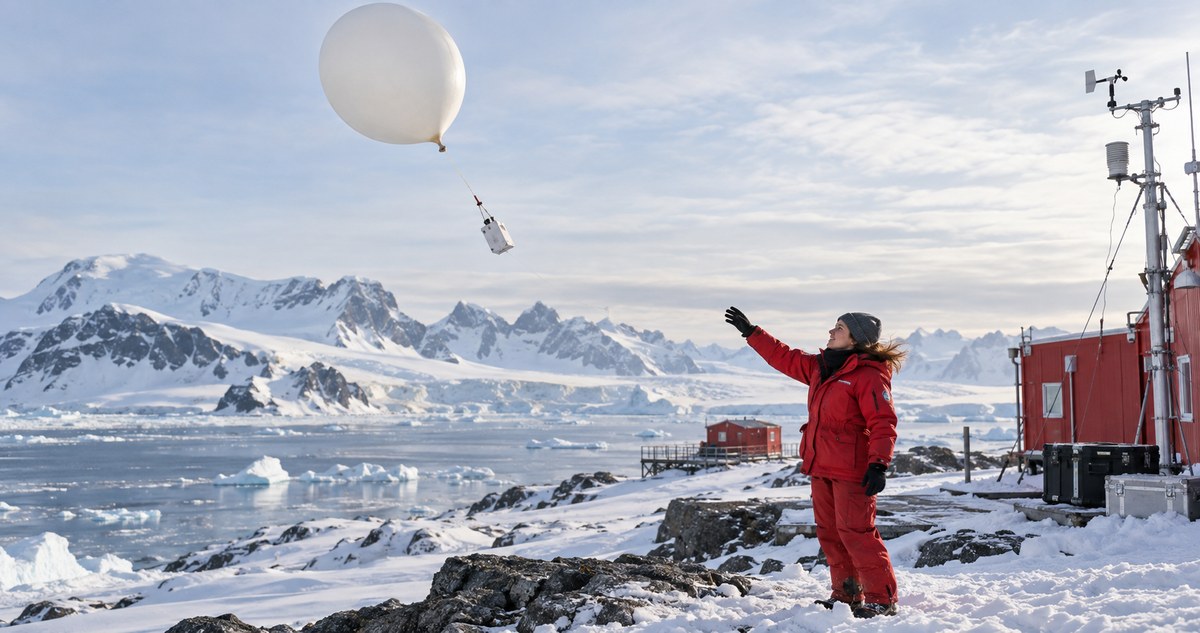
Researchers therefore need sustained satellite and ground-based observation. The 2022 scientific assessment identified recovery in the upper stratosphere while acknowledging uncertainties elsewhere. One encouraging measurement deserves attention, but a trend requires repeated evidence. A slow response does not necessarily imply that protection has failed.
A forecast with an essential condition
UNEP's explanation of that assessment gave approximate dates for returning to 1980 ozone levels: around 2040 for most of the world, 2045 over the Arctic and 2066 over Antarctica. These are conditional projections, assuming that current policies remain in place. They do not promise a sudden worldwide change on a particular date.
Those projected dates depend on current policies continuing. If protection supports recovery, the forecast cannot also show that protection is no longer needed. Removing the assumption would reverse the reasoning: it would present the expected benefit of continued action as an argument for stopping that action before recovery is complete.
Monitoring remains part of success
The 2026 bulletin emphasised continued monitoring. Measurements can reveal unexpected emissions and support scrutiny of their sources. Without reliable observation, a new problem could develop while public confidence rests on an older result.
In this article's interpretation, the result offers reasons for both optimism and continued vigilance. Measurements show progress, while ongoing protection and monitoring help establish whether recovery continues. That combination does not imply that every environmental problem can use the same solution. Other pollutants may require different responses, even when the need to explain evidence and its limits is shared.
A long recovery, with conditions
- 1987The Montreal Protocol establishes controls on ozone-depleting substances.
- 2026 bulletinWMO reports the relatively small 2025 Antarctic hole and the need for continued monitoring.
- Around 2040 / 2045 / 2066Projected return to 1980 ozone levels for most of the world / the Arctic / Antarctica, if current policies remain in place.
Original explanatory timeline, not to scale. Dates for recovery are approximate conditional projections from the 2022 assessment.
Three questions
Explain your answer using evidence from the reading before opening the suggested answer.
- Why is a smaller Antarctic ozone hole insufficient to prove complete recovery?
Show answer
One season is affected by atmospheric conditions, and recovery varies between regions and layers. A long-term judgement needs repeated observations and wider evidence.
- What assumption underlies the recovery dates, and why does it affect the policy conclusion?
Show answer
The dates assume that current policies remain in place. They support continued protection rather than showing that restrictions can already be removed.
- How does the overflowing-bath comparison develop the argument, and what is its limitation?
Show answer
It separates stopping new damage from dealing with damage already accumulated. It helps explain a delay, but a bath cannot represent all the chemistry and variability of the atmosphere.
Let's talk about it
A few ideas to chat about - pick any that interest you.
- How do you feel when environmental news reports progress alongside a need for more work?
- What would help you decide whether a successful environmental policy still needs to continue?
- Have you ever seen one encouraging result that did not yet fit a longer-term pattern?
- What would make an environmental progress report reassuring without suggesting that the problem had disappeared?
- How could people celebrate a slow scientific success in a way that keeps younger generations interested?
Qualifying a conclusion
Use although to acknowledge progress, provided that to state a condition, and does not necessarily imply to limit an inference. Write a three-sentence summary using all three expressions. Explain what each qualification prevents a reader from assuming.
Sources and context
An original learning article by Poly-Puff, written from the factual sources below. Sources checked on 6 October 2026. The artwork and learning activities were created for this article.
The 2026 announcement reports the 2025 Antarctic season. Approximate recovery dates come from the 2022 assessment explained in 2023, not a new countdown calculated by Poly-Puff. The analogies and broader policy interpretation are editorial explanations.