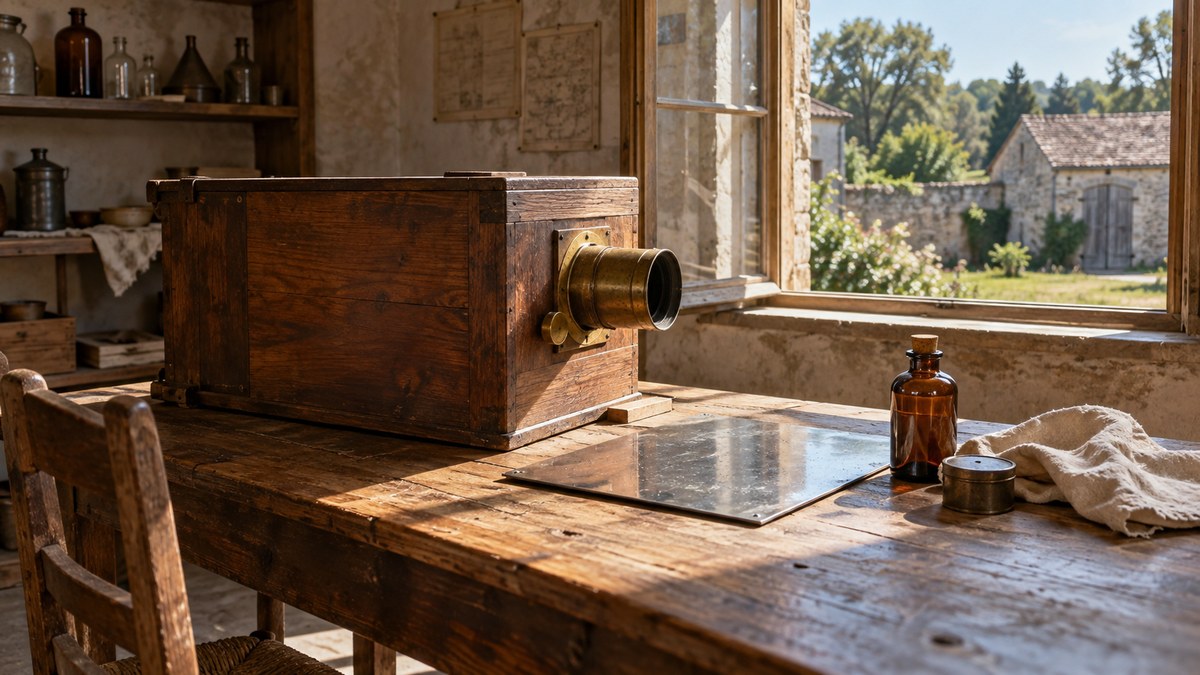
1895: The Lumiere Brothers Bring Films to a Paying Audience
A small Paris screening helped turn moving pictures into a shared public experience.
Estimated CEFR reading level: A2. Simple past sentences describe a dated event and distinguish a famous milestone from all earlier moving-picture work. This is an editorial estimate, not an official certification.
Five useful words
British English pronunciation (IPA). Audio uses an available English voice on your device.
audience /ˈɔːdiəns/
nounPeople who watch or listen to a performance.
The audience watched the screen.
screening /ˈskriːnɪŋ/
nounAn event at which a film is shown.
People paid for the screening.
silent /ˈsaɪlənt/
adjectiveWithout recorded speech or sound in the film.
The early film was silent.
operator /ˈɒpəreɪtə/
nounA person who controls a machine.
The operator turned the handle.
inventor /ɪnˈventə/
nounA person who creates a new device or idea.
Many inventors worked on moving pictures.
The story
A room in Paris
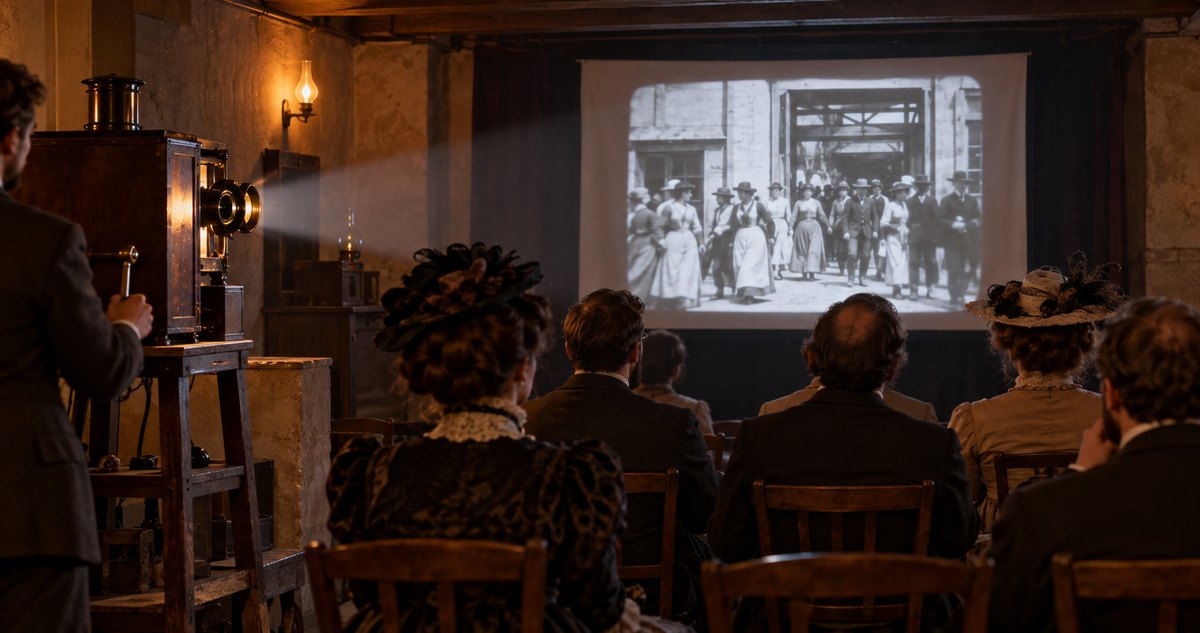
On 28 December 1895, people paid to watch films in a room under the Grand Cafe in Paris. The Lumiere brothers used their cinematograph to show moving pictures on a screen. People could watch together.
The films were short and silent. They showed everyday scenes. The brothers' machine could record films and show them. Its operator turned a handle to move the film.
A famous beginning
The Paris show became an important event in cinema history. Films later reached audiences in many other places. A shared screen offered a new kind of entertainment.
Other inventors had already worked on moving pictures, and the Lumiere brothers had shown films earlier in 1895. The December event is famous because people paid to watch their public screening in Paris. It was an important cinema event, but it was not the first moving image ever made.
Three questions
Try answering before you open the answer. You can use your own words.
- Where did the December screening take place?
Show answer
In a room under the Grand Cafe in Paris.
- What kind of films did the audience watch?
Show answer
Short, silent films showing everyday scenes.
- Was this the first moving image ever made?
Show answer
No. Earlier moving-picture work and screenings already existed.
Let's talk about it
Here are some ideas for a chat. Choose any you like.
- Do you like watching films with other people or on your own?
- What everyday scene would you enjoy filming?
- Would you enjoy watching a short silent film from that time?
- What sounds would you miss most in a silent film?
- Would you like a cinema to show short films about life in your town?
Practise a useful pattern
Use the past simple for finished events: "People paid to watch the films." Write two sentences about a show you attended, using watched, listened or enjoyed.
Frequently asked questions
Was the December 1895 screening in Paris?
Yes. It took place at the Grand Cafe in Paris.
Did all moving-picture technology begin on that date?
No. Other inventors and earlier screenings contributed to cinema's development.
Sources and editorial notes
Original learning article by Poly-Puff, written from the factual sources below. Sources checked on 13 October 2026. The artwork and learning activities were created for this article.
The reading identifies the Lumiere brothers' famous December paying screening without claiming that it was the first projected film shown anywhere. It avoids the disputed story that the audience fled from a filmed train. Event date and lesson publication date are separate.