A New Agreement to Protect Ocean Life
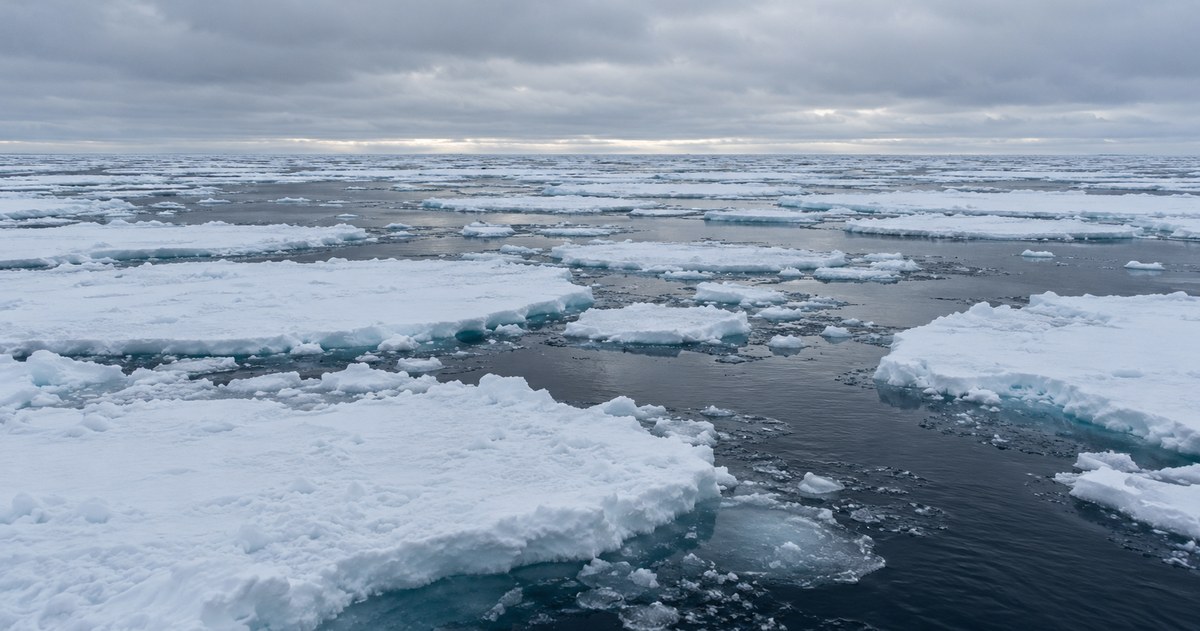
Countries have a new framework for protecting marine life beyond national waters.
Estimated CEFR reading level: B2. An explanation of an international agreement with abstract vocabulary, qualifications and cause-and-effect relationships. Key terms are explained below. This is an editorial estimate, not an official certification.
Five useful words
British English pronunciation (IPA). Audio uses an available English voice on your device.
treaty /ˈtriːti/
nounA formal agreement between countries.
The countries signed a treaty to work together.
biodiversity /ˌbaɪəʊdaɪˈvɜːsəti/
nounThe variety of living things in a place.
A forest with many different species has rich biodiversity.
international waters /ˌɪntəˌnæʃənəl ˈwɔːtəz/
noun phraseSea areas beyond countries' national waters.
The ship continued into international waters.
assessment /əˈsesmənt/
nounA careful examination used to judge something.
The team completed an assessment of the possible damage.
implement /ˈɪmplɪment/
verbTo put a plan, decision or rule into practice.
The council will implement the new recycling plan.
The story
The High Seas Treaty took effect on 17 January 2026. Formally called the Biodiversity Beyond National Jurisdiction Agreement, or BBNJ Agreement, it concerns conservation and sustainable use of marine life beyond national jurisdiction.
Its framework includes marine protected areas and environmental impact assessments. These assessments examine how a planned activity could affect the ocean before decisions are made. Marine animals cross borders, making cooperation essential.
The agreement also concerns marine genetic resources: biological material used in research. It addresses fair sharing of benefits and supports training and marine technology transfer so more countries can participate.
Taking effect did not instantly protect all international waters. Governments still need to implement the rules and follow the processes for specific protective measures. Existing shipping rules also remain relevant. The treaty supplies a framework; protection in the water depends on what countries do within that framework.
From agreement to action
- Agree on a frameworkCountries establish shared rules for conservation and sustainable use.
- Assess and planProcesses consider impacts and proposed protective measures.
- Put rules into practiceCooperation and implementation turn commitments into action.
A simplified explanation by Poly-Puff, not a complete legal procedure or a map of protected areas.
Three questions
Try answering before you open the answer. You can use your own words.
- Which areas does the agreement concern?
Show answer
Areas beyond national jurisdiction, including international waters.
- What is the purpose of an environmental impact assessment?
Show answer
To examine how a planned activity might affect the environment before decisions are made.
- Did the treaty immediately make all international waters protected areas?
Show answer
No. Its rules still need to be implemented, and specific measures require further processes and cooperation.
Let's talk about it
A few ideas to chat about - pick any that interest you.
- What part of ocean protection interests you most?
- Have you seen a shared rule that was difficult to put into practice?
- What would feel like a fair way for countries to share the benefits of ocean research?
- What would make you feel connected to an ocean area you might never visit?
- How could people hear about progress on ocean protection without needing to read a long official report?
Qualifying a claim
Words such as might and does not instantly help keep claims precise. Compare "The treaty protects every area immediately" with "The treaty provides a framework for protection." Write a careful sentence about what an agreement can achieve and what still needs to happen.
Sources and context
An original learning article by Poly-Puff, written from the factual sources below. Sources checked on 4 October 2026. The artwork and learning activities were created for this article.