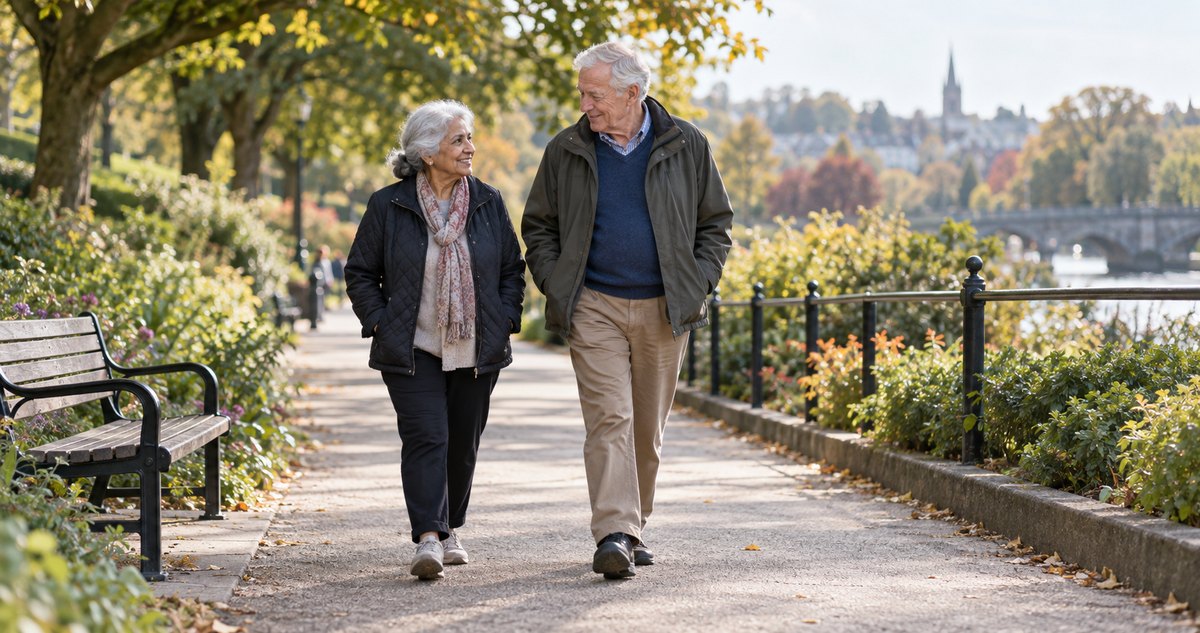
Global Handwashing Day 2026: A Habit That Needs Support
Handwashing is an everyday action, but remembering it is only part of the challenge. People also need the resources to make that action possible.
Estimated CEFR reading level: B2. Connected explanations, qualification and an inference about the relationship between individual habits and practical access. This is an editorial estimate, not an official certification.
Five useful words
British English pronunciation (IPA). Audio uses an available English voice on your device.
observance /əbˈzɜːvəns/
nounAn occasion when people recognise a particular event or cause.
The annual observance draws attention to a daily habit.
surface /ˈsɜːfɪs/
nounThe outside or top layer of something.
Many people touch the same surface.
sequence /ˈsiːkwəns/
nounA set of things arranged in an order.
She followed the sequence carefully.
access /ˈækses/
nounThe opportunity or ability to use something.
The school improved access to clean water.
routine /ruːˈtiːn/
nounA usual pattern of activities.
The new habit became part of his routine.
The story
An everyday action
Global Handwashing Day falls on 15 October. Ahead of the 2026 observance, it offers a reason to discuss a familiar habit: washing hands with soap and clean water.
Germs can move between hands, food and shared surfaces. The US Centers for Disease Control and Prevention identifies important moments for handwashing, including before eating, during food preparation and after using the toilet. Keeping hands clean can reduce the spread of infections, although it cannot remove every health risk.
More than a reminder
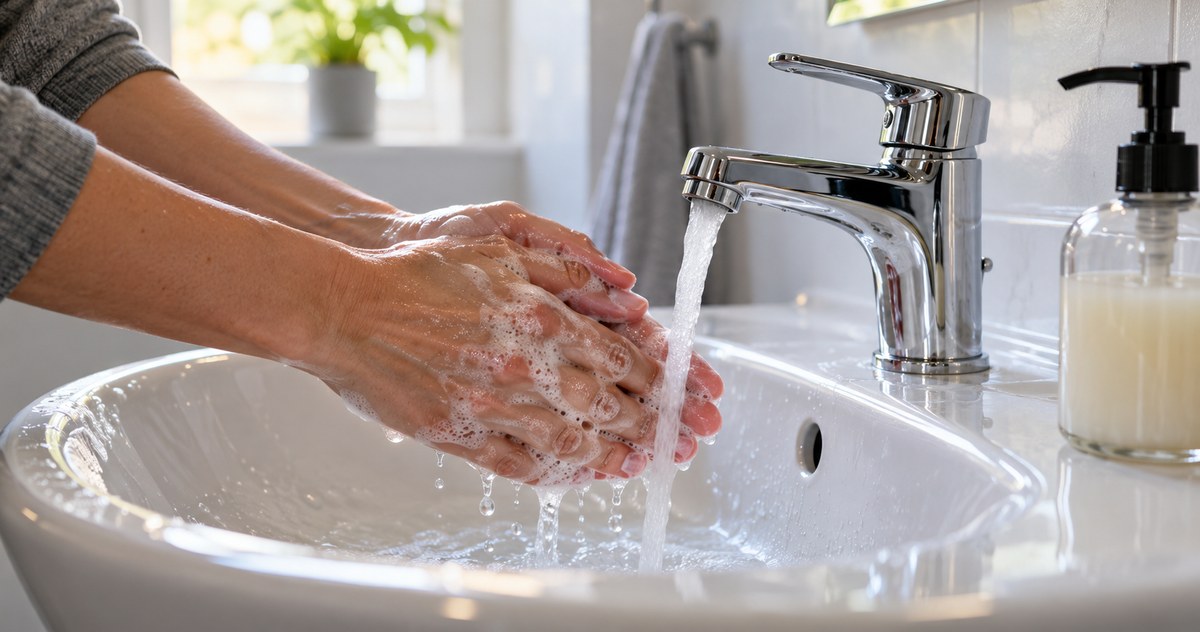
The CDC describes a sequence of wetting the hands, applying soap, scrubbing, rinsing and drying. The scrubbing stage should last at least twenty seconds. A quick splash of water is not the same process.
However, a reminder is less useful if a washbasin has no water or the soap dispenser is empty. Schools, workplaces and public facilities need to make the habit practical, not merely display a message.
The campaign can draw attention to handwashing, but lasting benefits depend on everyday conditions. People need access to water, soap and usable facilities so they can make the habit part of their routine after the campaign day.
Three questions
Try answering before you open the answer. You can use your own words.
- Name two important moments for handwashing mentioned in the article.
Show answer
Possible answers include before eating, during food preparation and after using the toilet.
- Which stage should last at least twenty seconds?
Show answer
The scrubbing stage.
- Why might a reminder fail to change behaviour?
Show answer
If people do not have water, soap or a usable facility, they may be unable to carry out the action despite the reminder.
Let's talk about it
A few ideas to chat about - pick any that interest you.
- What helps a new habit become part of your routine?
- Have you seen a useful reminder in a place where it was hard to act on?
- What would make a campaign like this useful to you throughout the year?
- What would make a shared washing area feel welcoming and easy to use?
- Would a practical demonstration or a poster be more memorable at a community event?
Practise a useful pattern
Use although to connect a benefit and a limitation: "Although handwashing can reduce risks, it cannot remove every risk." Write two balanced sentences about an everyday habit. Avoid claiming that one action always guarantees a result.
Frequently asked questions
When is Global Handwashing Day 2026?
It is on 15 October 2026. This lesson is a preview published on 12 October.
Why does this lesson discuss access as well as habits?
A person needs usable facilities, water and soap to put a handwashing message into practice.
Sources and editorial notes
Original learning article by Poly-Puff, written from the factual sources below. Sources checked on 12 October 2026. The artwork and learning activities were created for this article.
The date is the annual October observance. This lesson does not announce an independently unverified 2026 campaign theme or report completed events. It uses CDC community guidance and does not cover specialist clinical procedures.