Dakar 2026: Africa Prepares to Welcome the Youth Olympics
Senegal's upcoming Youth Olympic Games connect elite competition with a wider invitation to try sport.
Estimated CEFR reading level: C1. The reading distinguishes scheduled events, participation opportunities and future social outcomes through qualification and extended comparison. This is an editorial estimate, not an official certification.
Five useful words
British English pronunciation (IPA). Audio uses an available English voice on your device.
milestone /ˈmaɪlstəʊn/
nounAn event marking an important stage.
The Games are a sporting milestone.
venue /ˈvenjuː/
nounA place where an event happens.
The venue will welcome spectators.
accredited /əˈkredɪtɪd/
adjectiveOfficially recognised or authorised for a role.
Accredited athletes enter the competition.
coordinate /kəʊˈɔːdɪneɪt/
verbTo organise different people or activities so they work together.
Volunteers coordinate visitor services.
engagement /ɪnˈɡeɪdʒmənt/
nounActive involvement or participation.
The programme encourages public engagement.
The story
A milestone with a local setting
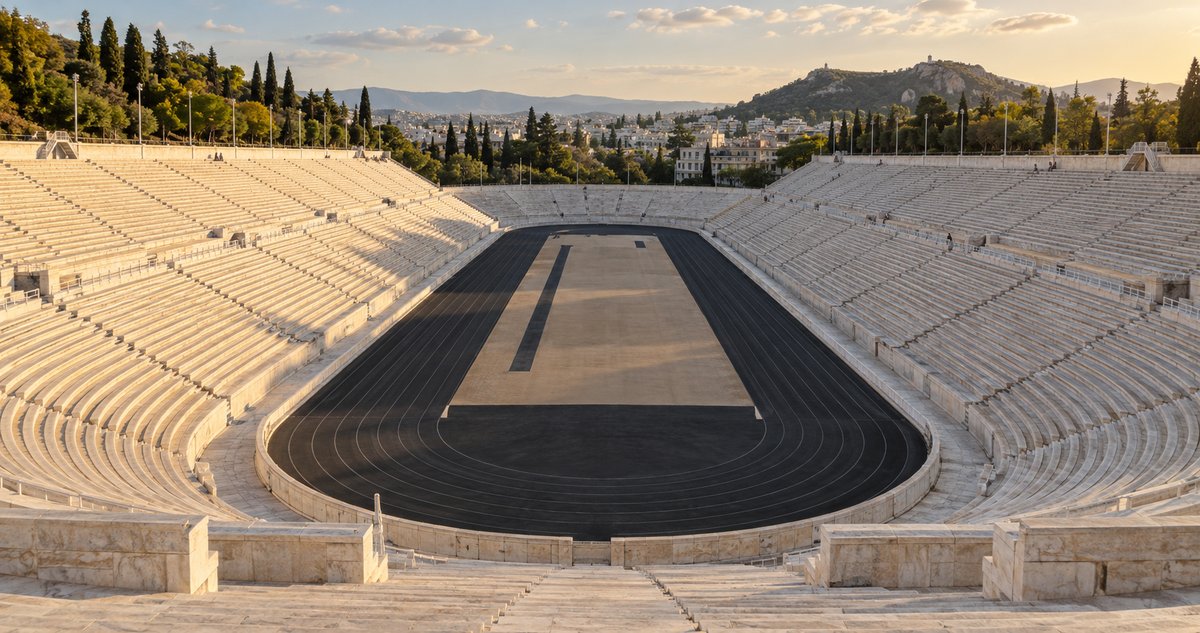
A young athlete arriving in Senegal this month will be taking part in a sporting milestone. The Dakar 2026 Summer Youth Olympic Games are scheduled for 31 October to 13 November, becoming the first Olympic sporting event held in Africa. The programme brings international attention to a host country whose role extends beyond providing a backdrop for competition.
Preparations described by the International Handball Federation include training camps, temporary facilities and volunteer education. These less visible activities connect an international event with practical work in the host communities. A finished competition venue may attract the cameras, but organising an event also depends on people learning how to welcome visitors and coordinate services.
Competition and an invitation to join in
The International Shooting Sport Federation distinguishes 25 competition sports from 10 engagement sports. Its own sport is part of the engagement programme rather than a medal competition. That distinction is useful: a visitor trying an activity is participating in the wider festival, without necessarily competing as an accredited athlete.
Events are planned across Dakar, Diamniadio and Saly. Organisers expect around 2,700 athletes, with equal numbers of male and female participants. These are planning figures for an upcoming event. They should not be confused with a verified final attendance count or a record of completed competitions.
The flame provides another connection between the Games and the public. The International Olympic Committee records its lighting in Athens on 10 September. The IHF's October update describes its journey around Senegal ahead of the opening ceremony. For people who will not enter a competition venue, a local stage of that journey offers a different way to encounter the event.
What will remain afterwards?
The broader question is what participation will look like once the festival ends. A successful fortnight cannot, by itself, show that more young people will enjoy lasting access to sport. That would require later evidence about facilities, coaching and opportunities. This is a question for follow-up reporting, rather than an outcome that can be announced in advance.
For now, the approaching Games offer both an international contest and a reason to pay attention to Senegal's sporting communities. Watching who competes is one part of the story. Watching how people are invited to take part may be another.
Three questions
Try answering before you open the answer. You can use your own words.
- When are the Games scheduled?
Show answer
31 October to 13 November 2026.
- Is an engagement sport necessarily a medal sport?
Show answer
No. It can offer participation experiences outside the medal programme.
- Why can lasting access to sport not yet be claimed?
Show answer
That outcome would require evidence after the event about continuing facilities, coaching and opportunities.
Let's talk about it
A few ideas to chat about - pick any that interest you.
- Which sport would you be curious to try at a public festival?
- What would make a major event feel welcoming to local people?
- What would you enjoy learning about Senegal through the Games?
- What would you like young visitors and local athletes to learn from one another?
- Which improvements would you most like a host city to keep after the crowds have gone?
Practise a useful pattern
Separate a plan from an established result. Rewrite The event increases participation using is intended to, then add a sentence explaining what later evidence would be useful.
Frequently asked questions
Will Dakar 2026 take place in Africa?
Yes. The host country is Senegal, with events across Dakar, Diamniadio and Saly.
Are all featured sports medal competitions?
No. The programme distinguishes competition sports from engagement sports.
Sources and editorial notes
Original learning article by Poly-Puff, written from the factual sources below. Sources checked on 16 October 2026. The artwork and learning activities were created for this article.
The IHF introduction says 30 October, but its detailed Games section, opening-ceremony account, World Aquatics and ISSF give 31 October; this reading follows the corroborated 31 October date. Future attendance and benefits remain qualified. It does not copy inconsistent medal-event counts or treat engagement sports as medal sports.