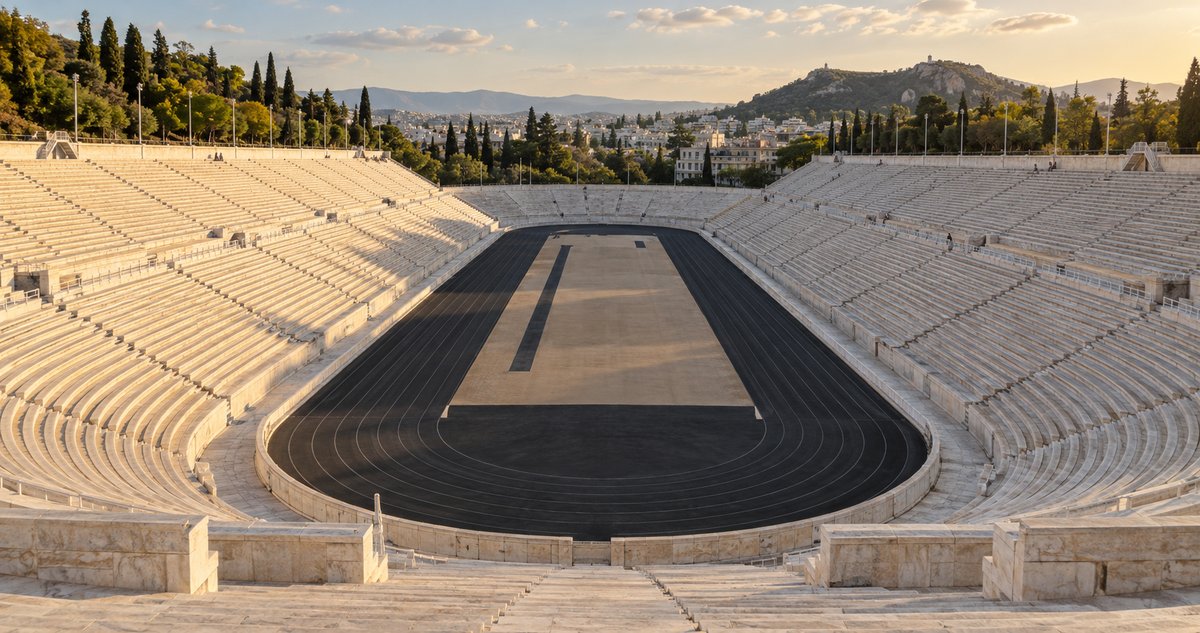
1967: The Boston Marathon Bib That Became a Symbol
Kathrine Switzer's number 261 is famous, but another woman had already completed the race. Their milestones tell different parts of the story.
Estimated CEFR reading level: B2. The text distinguishes overlapping historical milestones, with past perfect forms, precise comparison and evidence from different perspectives. This is an editorial estimate, not an official certification.
Five useful words
British English pronunciation (IPA). Audio uses an available English voice on your device.
bib /bɪb/
nounA numbered piece of material worn by a competitor.
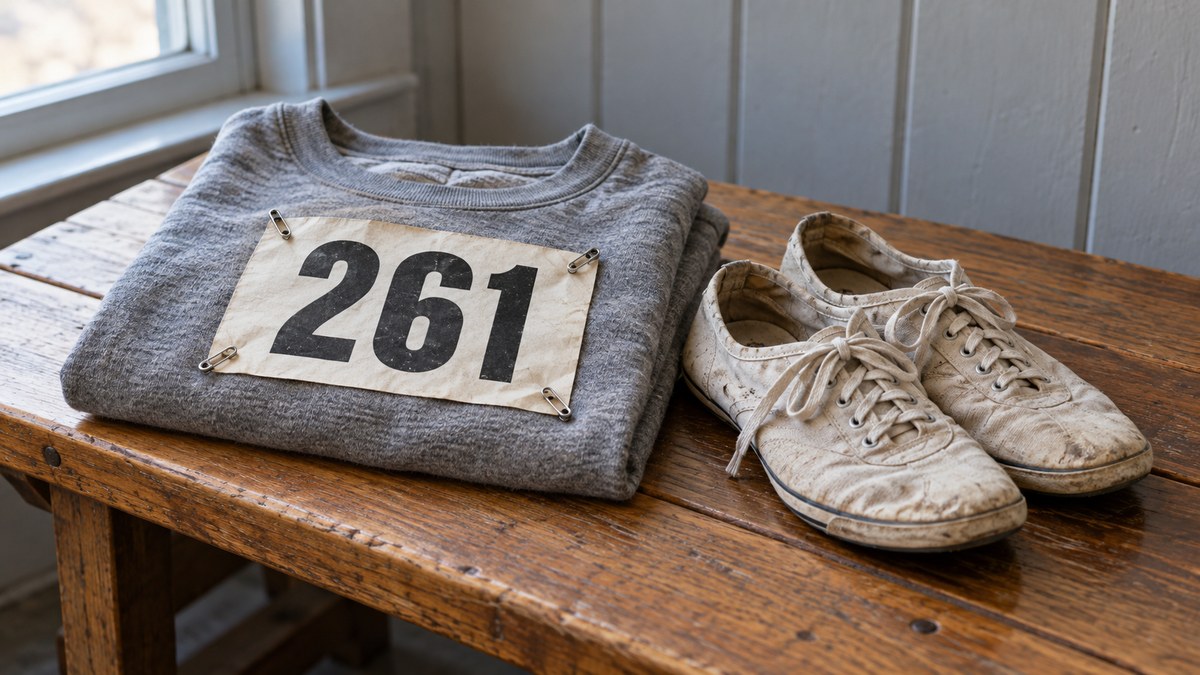
Switzer wore bib 261.
barrier /ˈbæriə/
nounSomething that makes progress or participation difficult.
Women faced barriers in distance running.
distinction /dɪˈstɪŋkʃən/
nounA clear difference between things.
There is a distinction between finishing and entering officially.
determination /dɪˌtɜːmɪˈneɪʃən/
nounThe strong decision to keep trying.
Her determination helped her continue.
division /dɪˈvɪʒən/
nounA separate group within a competition.
The women's division began in 1972.
The story
A paper number can become a powerful symbol. On 19 April 1967, Kathrine Switzer ran the Boston Marathon wearing bib 261. She had entered as K. V. Switzer and became the first woman to complete the race with a bib number.
During the race, an official tried to remove her number. Switzer continued and finished. Her account describes the incident and the support she received from other runners. The pictures became a lasting reminder of the barriers women faced.
There is an important distinction, however. Roberta "Bobbi" Gibb had already completed Boston in 1966, without an official entry. Calling Switzer the first woman to finish would erase Gibb's earlier achievement. Completing the course and obtaining a numbered entry were different milestones.
Boston established its official women's division in 1972. That later date shows that one runner's achievement did not immediately produce equal access. Remembering Gibb, Switzer and the changing rules together gives a fuller picture: progress depended on individual determination and on institutions changing who could participate.
Three questions
Try answering before you open the answer. You can use your own words.
- What was distinctive about Switzer's 1967 finish?
Show answer
She was the first woman to complete Boston with a bib number.
- Who had completed Boston before her?
Show answer
Roberta "Bobbi" Gibb, who completed it in 1966 without an official entry.
- When was Boston's official women's division established?
Show answer
1972.
Let's talk about it
A few ideas to chat about - pick any that interest you.
- What do you make of a simple number becoming a symbol?
- Which matters more to you in sport: taking part or receiving recognition?
- Would you enjoy training for a long-distance event?
- How can sports histories make room for more than one pioneer?
- What makes a new participant feel welcome in a club or event?
Practise a useful pattern
Use the past perfect to show what happened before another past event. Write a sentence connecting Gibb's run and Switzer's run.
Example: Before Switzer ran with a bib in 1967, Gibb had completed the course in 1966.
Frequently asked questions
Was Kathrine Switzer the first woman to finish the Boston Marathon?
No. Bobbi Gibb completed it in 1966. Switzer became the first woman to complete it with a bib number in 1967.
What was Switzer's bib number?
She wore number 261 in the 1967 Boston Marathon.
Sources and editorial notes
Original learning article by Poly-Puff, written from the factual sources below. Sources checked on 17 October 2026. The artwork and learning activities were created for this article.
The race organiser's historical account and Switzer's published memoir excerpt were read directly. They support different parts of the account. Gibb's 1966 finish, Switzer's numbered entry and the 1972 division are deliberately distinguished. The bib and shoes are representative objects, not authenticated possessions.