UNICEF in Bangladesh: Keeping Education Within Reach
A new appeal connects school access, protection and support for refugee and host communities.
Estimated CEFR reading level: B2. Qualification, cause and effect, and topic-specific vocabulary support the B2 estimate. This is an editorial estimate, not an official certification.
Five useful words
British English pronunciation (IPA). Audio uses an available English voice on your device.
investment /ɪnˈvestmənt/
nounResources put into something to help it develop.
Investment in libraries can support learning.
refugee /ˌrefjʊˈdʒiː/
nounSomeone forced to leave their country because of danger or persecution.
The learning group includes refugee children.
host community /ˌhəʊst kəˈmjuːnəti/
noun phrasePeople living in an area that receives displaced people.
Support should also reach the host community.
commitment /kəˈmɪtmənt/
nounA promise or firm decision to do something.
The organisation made a commitment to education.
protection /prəˈtekʃən/
nounAction that helps keep someone safe from harm.
Children need education and protection.
The story
UNICEF has called for greater investment in children in Bangladesh following a visit by Executive Director Catherine Russell. Its 20 October statement links education with health, protection and children's future opportunities.
During the visit, Russell met families in Korail, Dhaka, and Rohingya refugees and host communities in Cox's Bazar. The appeal includes keeping girls in school and ending child marriage. It also asks for continued international support for learning among refugee children and the communities that welcome them.
The connection is practical: a place in a classroom matters, but poverty and pressure to marry can interrupt a girl's education. Protection and reliable services help children continue learning.
UNICEF welcomed government commitments while stressing the importance of putting them into practice. An appeal is not proof that funding has arrived or that every child can attend school. It identifies priorities and asks governments and partners to turn commitments into lasting support.
Three questions
Try answering before you open the answer. You can use your own words.
- Which two broad groups in Cox's Bazar does the appeal support?
Show answer
Rohingya refugees and host communities.
- How can pressure to marry affect a girl's education?
Show answer
It can interrupt her schooling or force her to leave school.
- Does the statement prove that all promised funding has arrived?
Show answer
No. It calls for commitments to become practical, lasting support.
Let's talk about it
A few ideas to chat about - pick any that interest you.
- What made a learning space welcoming when you were younger?
- Which community service would you like more children to enjoy?
- Have you seen a project that brings different local groups together?
- What would you put in a small community library?
- Who helped you keep learning during a difficult time?
Practise a useful pattern
Use while to connect a positive development with a qualification. Write a sentence about a promising project that still needs work.
Example: While the new room is welcome, learners also need books and teachers.
Frequently asked questions
What did UNICEF call for on 20 October 2026?
It called for investment in children, an end to child marriage and continued learning support for Rohingya and host-community children.
Does this article report a completed new funding programme?
No. It reports UNICEF's appeal and distinguishes commitments from delivered support.
Sources and editorial notes
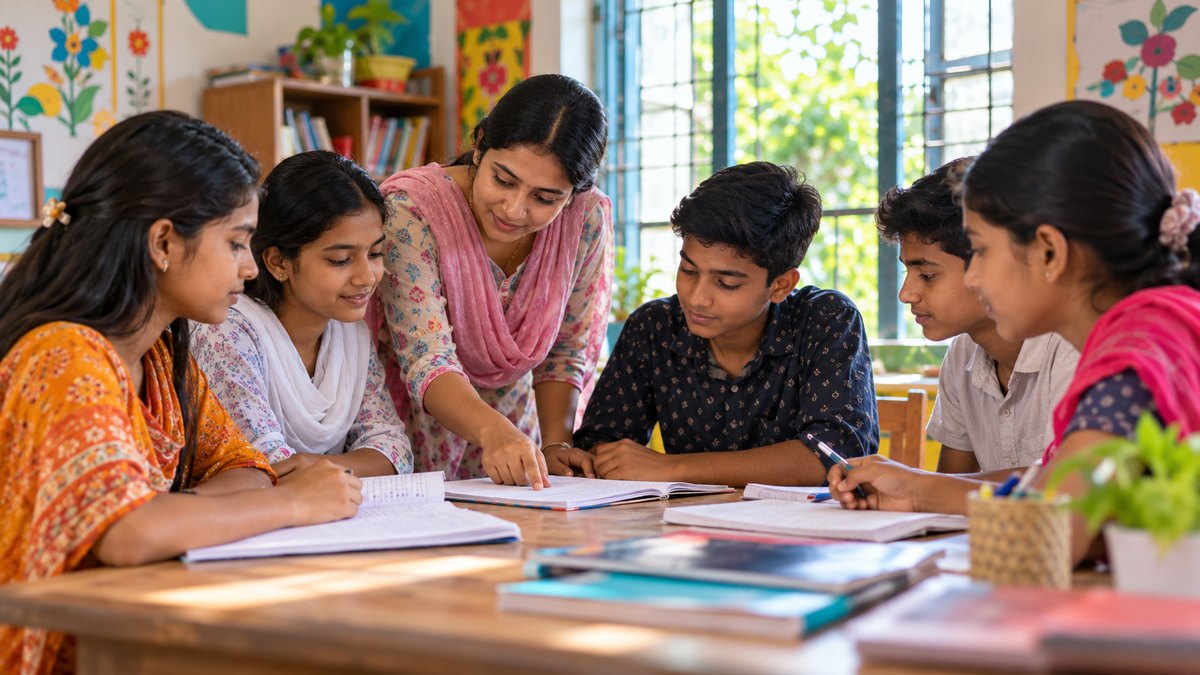
Original learning article by Poly-Puff, written from the factual sources below. Sources checked on 21 October 2026. The artwork and learning activities were created for this article.
This is an attributed account of UNICEF's appeal, not an independent evaluation of education outcomes. It omits the statement's survey percentage and budget targets to avoid turning a short reading into an unexplained statistical comparison.