1969: The First People on the Moon
Three astronauts made a journey that people still remember. Two of them walked on the Moon.
Estimated CEFR reading level: A2. A short story in the past simple, with clear dates and supported space vocabulary. This is an editorial estimate, not an official certification.
Five useful words
British English pronunciation (IPA). Audio uses an available English voice on your device.
astronaut /ˈæstrənɔːt/
nounA person trained to travel and work in space.
The astronaut trained for a long journey.
land /lænd/
verbTo arrive on the ground after travelling through the air or space.
The plane will land soon.
collect /kəˈlekt/
verbTo bring things together or gather them.
We collect leaves in the park.
sample /ˈsɑːmpəl/
nounA small amount used to learn about a larger thing.
The scientist tested a sample of water.
return /rɪˈtɜːn/
verbTo come or go back to a place.
I will return home on Friday.
The story
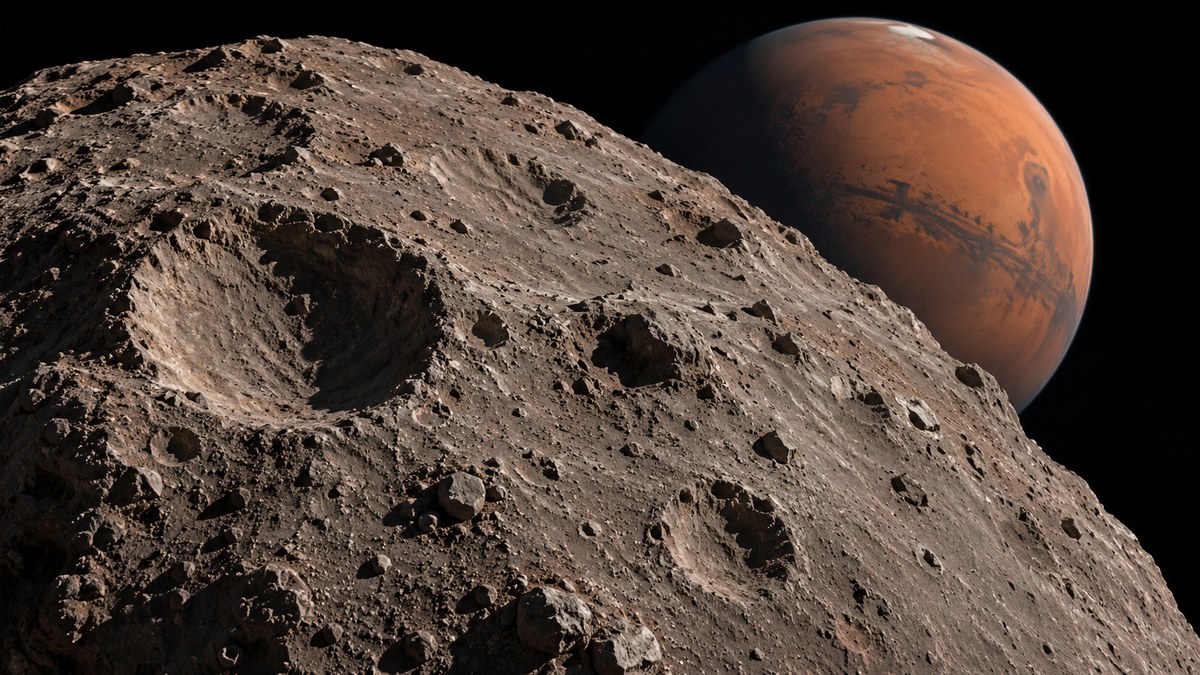
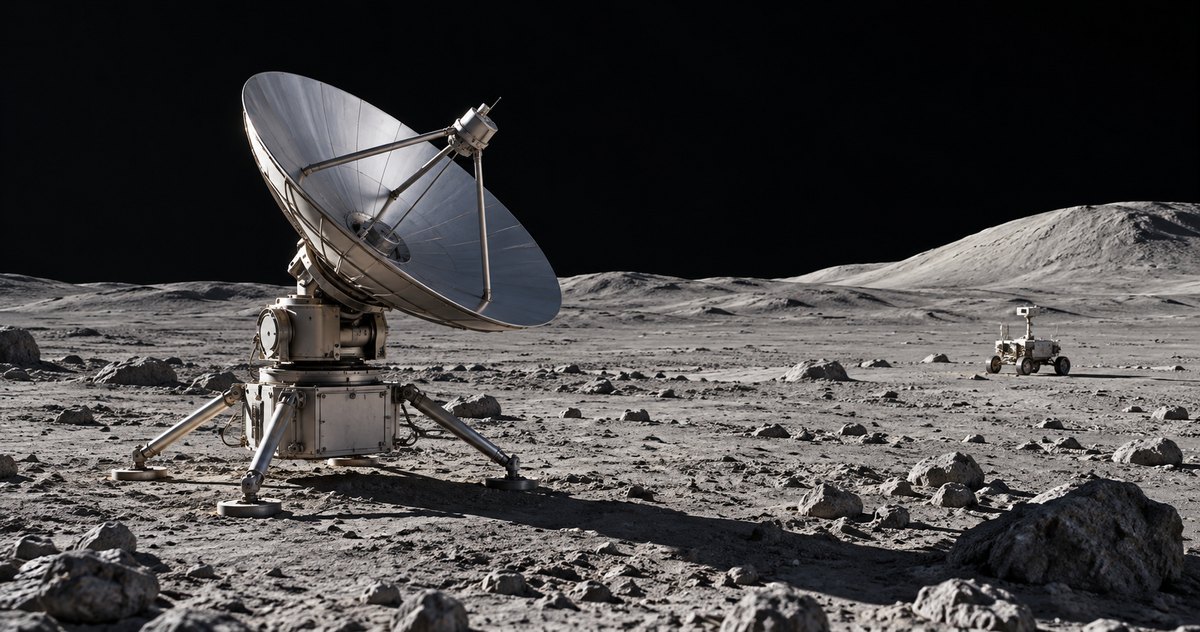
Apollo 11 left Earth on 16 July 1969 with three astronauts: Neil Armstrong, Buzz Aldrin and Michael Collins. They travelled towards the Moon.
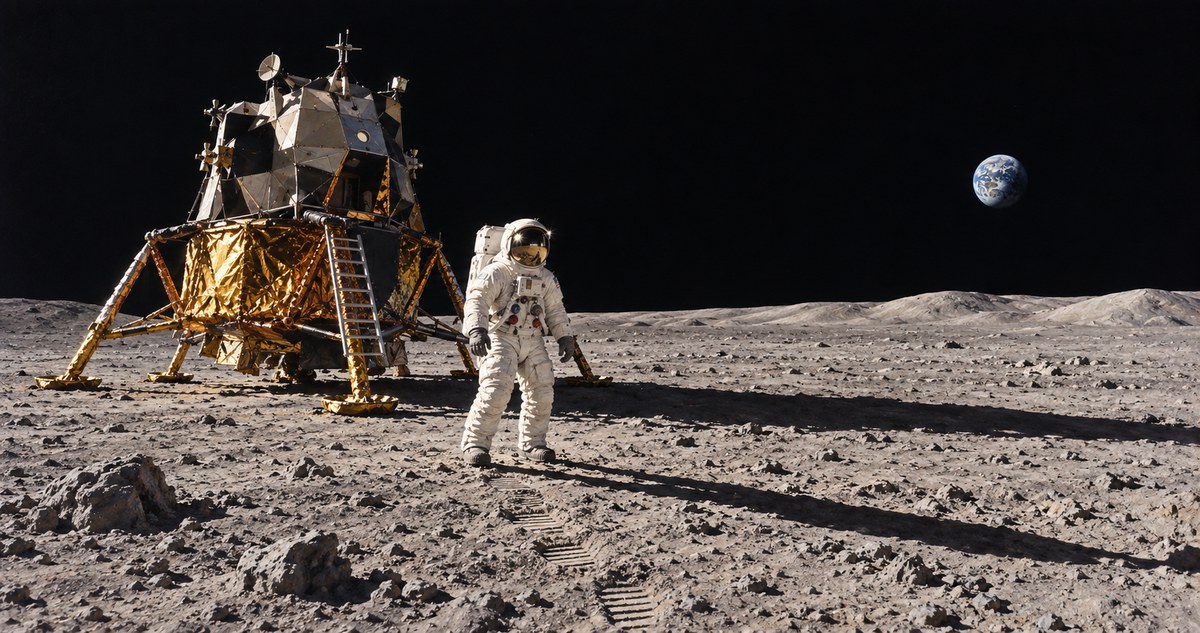
On 20 July, Armstrong and Aldrin landed. Armstrong walked on the Moon first, and Aldrin followed. Collins stayed in another part of the spacecraft and travelled around the Moon.
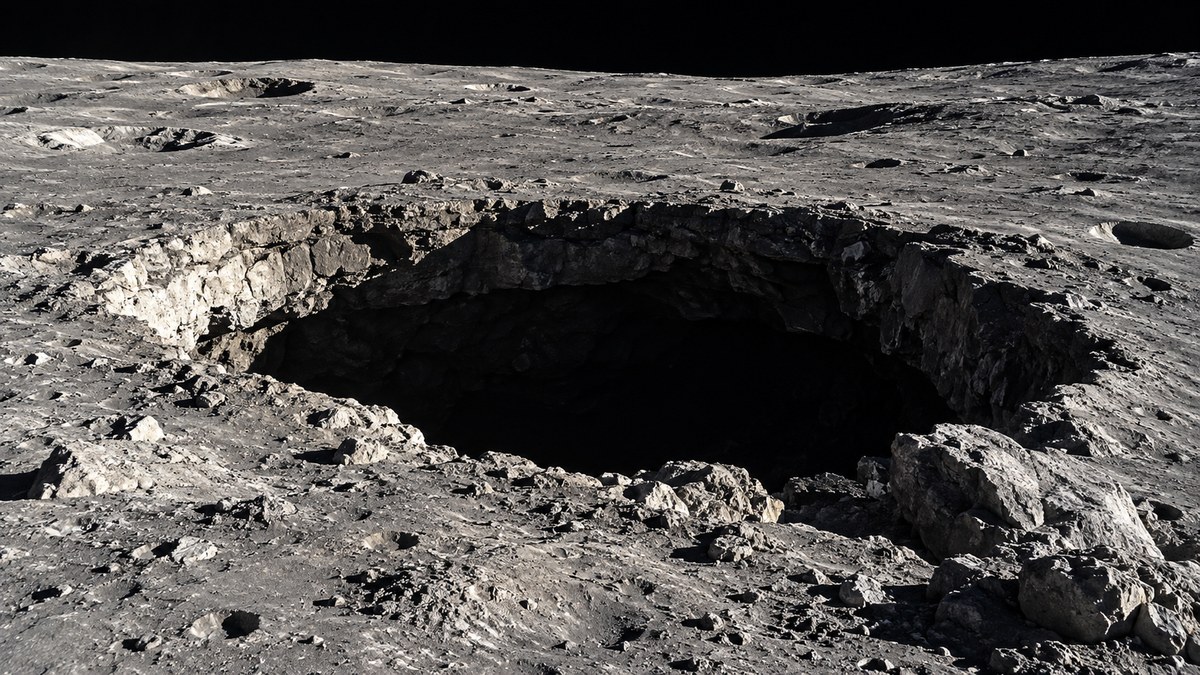
The two astronauts wore special suits. They collected rocks and material from the ground. They brought about 21.5 kilograms of samples home so scientists could study them on Earth.
All three astronauts returned on 24 July. Landing on the Moon was famous, but getting home safely was important too. Armstrong, Aldrin and Collins had different jobs, and the mission needed all three. Their journey shows how teamwork made that exciting moment possible.
Apollo 11: three key dates
- - LaunchThree astronauts leave Earth.
- - Moon landingArmstrong and Aldrin land. Collins remains in orbit.
- - ReturnAll three astronauts return to Earth.
Timeline by Poly-Puff using NASA's mission record. The spacing does not represent the length of time between events.
Three questions
Try answering before you open the answer. You can use your own words.
- How many astronauts travelled on Apollo 11, and how many walked on the Moon?
Show answer
Three travelled on the mission. Two walked on the Moon.
- What did Michael Collins do while Armstrong and Aldrin landed?
Show answer
He stayed in the command spacecraft and travelled around the Moon.
- Why did the astronauts bring samples home?
Show answer
The samples allowed scientists to study material from the Moon on Earth.
Let's talk about it
Here are some ideas for a chat. Choose any you like.
- Would you like to travel to the Moon?
- What would you want to learn before such a long journey?
- Have you ever been part of a team that did something exciting?
- What would you like to bring home from a trip to the Moon?
- Would you rather watch a rocket launch or visit a space museum?
Telling a story in the past
Notice left, landed, collected and returned. Some past-tense verbs are irregular; others end in -ed. Tell the story of a journey you made using three past-tense verbs.
Sources and context
An original learning article by Poly-Puff, written from the factual sources below. Sources checked on 4 October 2026. The artwork and learning activities were created for this article.
From the history books: this is a new explanation of a past event. It is not a reproduced newspaper article from that year.