Living Heritage Day 2026: Traditions Need People
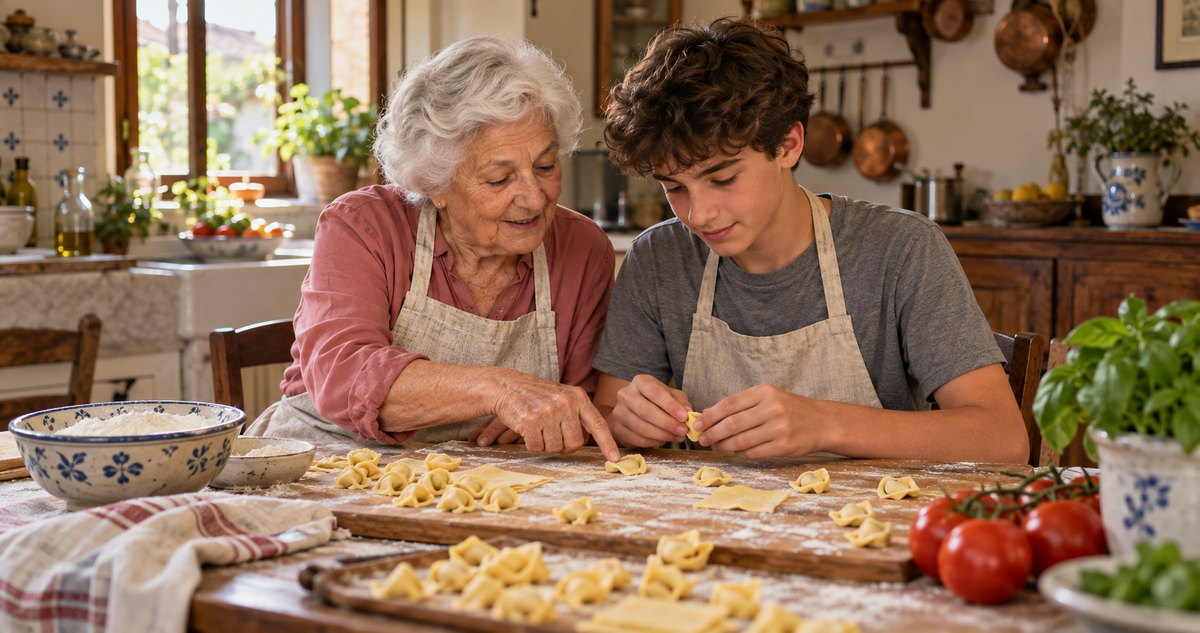
A song or a craft skill stays alive when someone shares it. UNESCO is celebrating that living connection.
Estimated CEFR reading level: B1. Concrete examples explain an abstract idea, with relative clauses and contrasts between objects and skills. This is an editorial estimate, not an official certification.
Five useful words
British English pronunciation (IPA). Audio uses an available English voice on your device.
tradition /trəˈdɪʃən/
nounA practice or belief passed between generations.
Singing together is a family tradition.
community /kəˈmjuːnəti/
nounPeople connected by a place or shared activity.
The community organised a craft workshop.
skill /skɪl/
nounAn ability learned through practice.
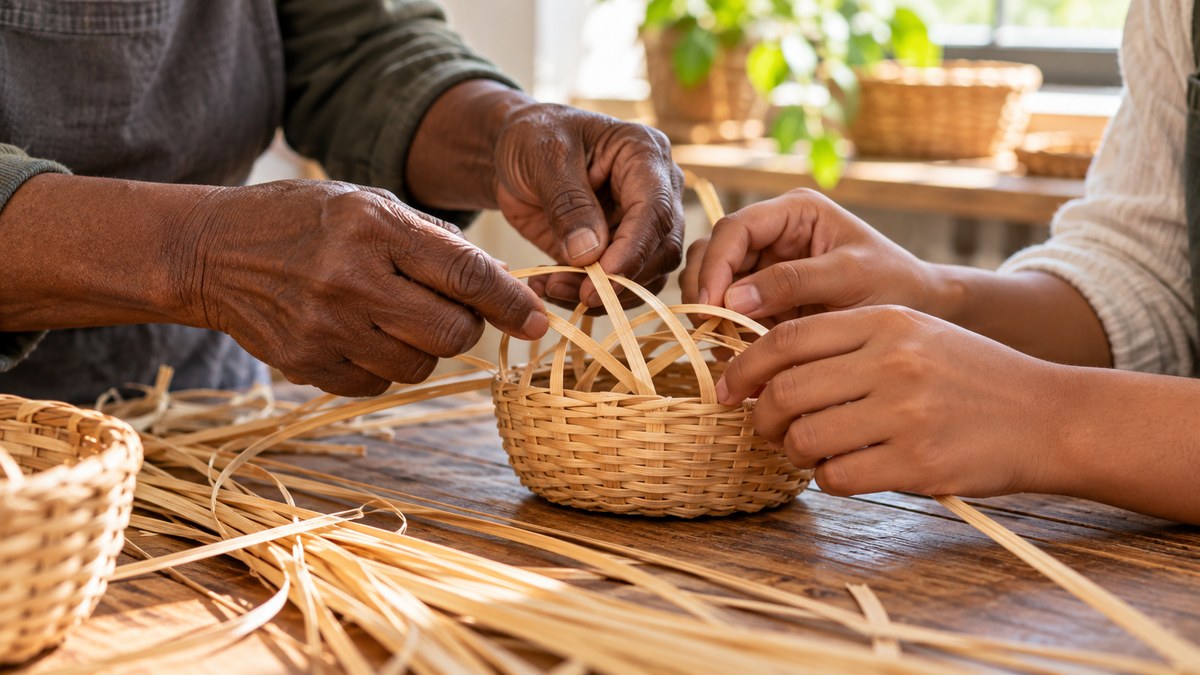
Basket weaving is a skill.
generation /ˌdʒenəˈreɪʃən/
nounPeople born and living at about the same time.
Each generation can share its knowledge.
pass on /ˌpɑːs ˈɒn/
phrasal verbTo give knowledge or something else to another person.
She wants to pass on the songs she learned.
The story
A basket can sit in a museum, but the skill of making it needs people. On 17 October 2026, UNESCO marks the third International Day of the Intangible Cultural Heritage. The day celebrates traditions that communities practise and pass on.
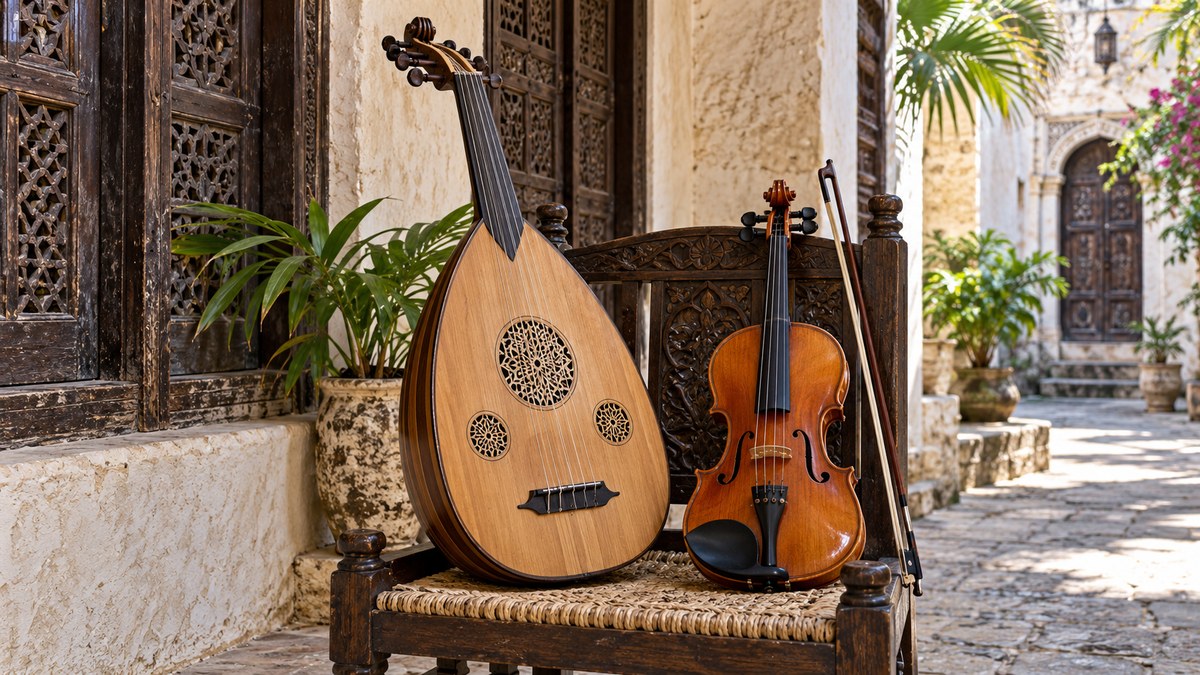
Living heritage includes things such as songs, storytelling and craft skills. It is different from a historic building or an old object. The knowledge, actions and relationships around a tradition are central to its future.
For the 2026 celebration, UNESCO has invited communities and organisations to arrange activities during October. A local workshop could bring experienced makers and beginners together. That is one possible activity, rather than a report of a particular event.
Keeping a tradition alive does not mean it can never change. People learn from earlier generations and also make their own choices. The important connection is between those who know a practice and those who want to learn it.
Three questions
Try answering before you open the answer. You can use your own words.
- What is celebrated on 17 October 2026?
Show answer
The third International Day of the Intangible Cultural Heritage.
- How is living heritage different from an old object?
Show answer
It includes knowledge, practices and relationships that people keep using and sharing.
- Did the article report an actual basket workshop?
Show answer
No. The workshop is a possible example of an activity.
Let's talk about it
A few ideas to chat about - pick any that interest you.
- What skill would you enjoy learning from someone older or younger than you?
- Is there a song or story that you enjoy sharing?
- Would you rather visit a craft workshop or watch a performance?
- How do you feel when an old tradition changes?
- What could make a community event welcoming to beginners?
Practise a useful pattern
Use pass something on to someone to describe sharing a skill. Write one sentence about something a person could teach.
Example: An experienced maker can pass weaving skills on to a beginner.
Frequently asked questions
What is living heritage?
It is knowledge and practices, such as songs, storytelling and craft skills, that communities keep using and sharing.
When is Living Heritage Day in 2026?
The International Day of the Intangible Cultural Heritage is on 17 October 2026.
Sources and editorial notes
Original learning article by Poly-Puff, written from the factual sources below. Sources checked on 17 October 2026. The artwork and learning activities were created for this article.
The official 2026 campaign announcement was available in indexed search text; direct access to the ICH pages was blocked by a human-verification page. The annual date and general purpose are corroborated by UNESCO's main site. The workshop is an explicitly hypothetical learning example, not a reported event or UNESCO-listed practice.