Much, Many, Few and Little: Quantity Words with Examples
Understand much and many, compare few with a few and little with a little, and describe everyday quantities accurately.
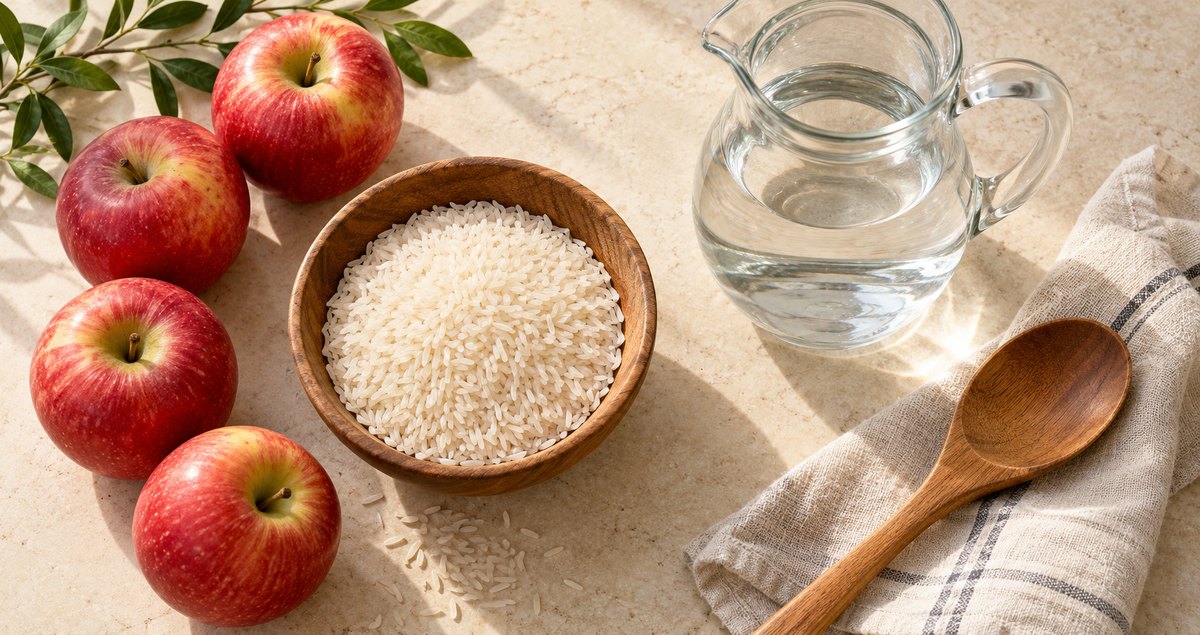
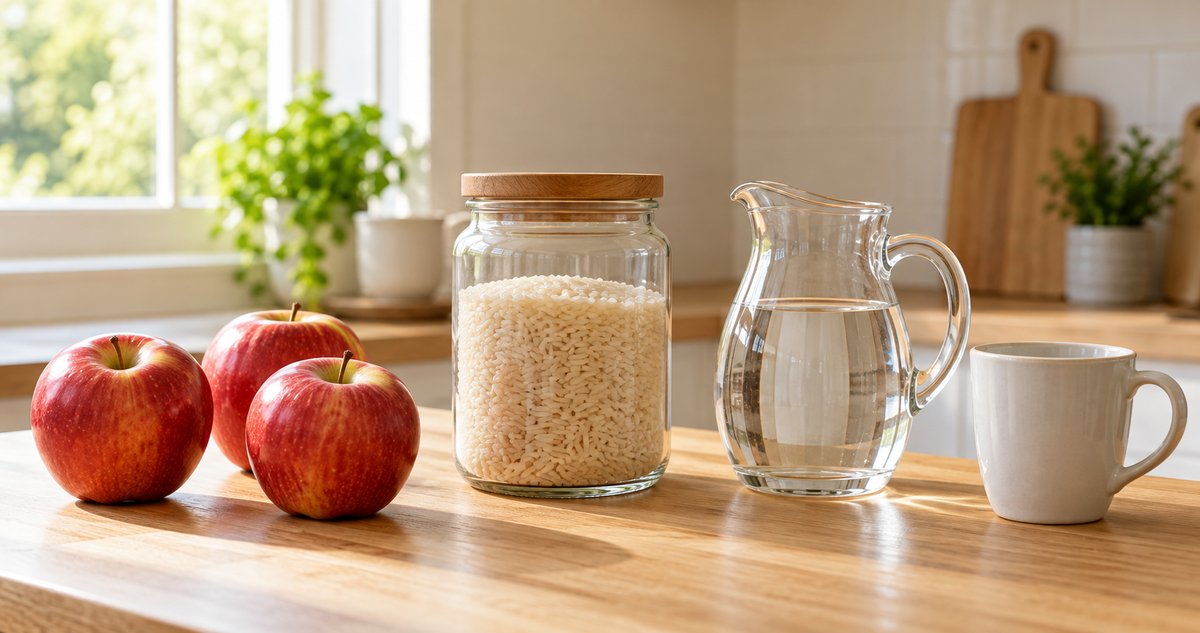
Use many and a few with plural countable nouns, such as apples. Use much and a little with uncountable nouns, such as water. Few and little often suggest that an amount is smaller than you need or expect.
Check the noun first
Countable nouns have singular and plural forms: one bottle, three bottles. Uncountable nouns name an amount without that ordinary counting pattern: water, rice or time. To count portions, add a unit: two glasses of water or three bags of rice. Choose the quantity word for the unit noun.
Ask and answer about large amounts
How many asks about a number; how much asks about an amount. Much and many are common in questions and negative statements. In everyday positive statements, a lot of works with both noun types. Many also works in positive statements, especially in more formal contexts; it is not incorrect.
Notice what the small amount means
A few and a little mean some, often with a positive sense that something is available. Without a, few and little often sound more negative: there may be too few people or too little time. They do not necessarily mean none. The situation decides whether the amount is enough.
Use too when there is more than needed
Too many describes an excessive number of countable things. Too much describes an excessive uncountable amount. Before speaking, identify the noun and your message: a large amount, a small available amount, a shortage or an excess. This is more reliable than translating one quantity word from your first language.
Original everyday examples
Countable quantities
How many apples do we need?
We have a few clean bowls.
There are too many bags.
Uncountable quantities
How much rice is left?
There is a little water.
We have little time, so hurry.
Small wording changes that change the amount
Match the noun
Many chairs uses a plural countable noun. Much milk uses an uncountable noun; many bottles counts containers even when the liquid inside is uncountable.
Notice the positive or limiting message
We have a few minutes highlights some available time. We have little time emphasises that the amount is limited or insufficient for the purpose.
Use a flexible everyday alternative
A lot of rice works with uncountable rice. A lot of chairs works with a countable plural too, while many rice does not fit this ordinary meaning.
Related guides
Continue with some and any, a, an and the.
Count the container when that is the noun
Many in positive statements
Many is grammatical with plural countable nouns in positive statements. A lot of is often more natural in informal conversation.
Rice and countable measures
Rice is normally uncountable when talking about food amounts. You can count grains, bags or portions of rice instead.
The meaning added by a
Often yes. A few and a little present some as available; few and little often suggest less than needed or expected. Context still matters.
Further reading
Cambridge Dictionary: much, many and a lot of; British Council: small quantities. References checked on 11 October 2026. Explanations, examples, tasks, timing and adaptations on this page are original editorial suggestions.
Keep useful English in practice
Explore Grammar Practice and save useful examples in your Word Vault for review.